How to Choose the Right Dentist for General Dentistry in Oklahoma City

How to Choose the Right Dentist for General Dentistry in Oklahoma City

Finding the right dentist can be the difference between good and bad when it comes to oral health and comfort when dental care is needed. General dentistry is about finding the right provider to do routine check-ups, cleaning, preventive care, etc. However, as many places are available, it is important to consider the tips that will help in selecting the dentist who will provide the best services to you and your family.

1. Check Qualifications and Experience

The principal step in the search for a dentist is to ensure that they are qualified and experienced. Dentists doing general dentistry must be licensed in Oklahoma and have a very strong educational background. It caters to experience as well, such as the years of practice and continuous education in the field of dentistry. Experience is so critical when you need someone who can confidently attend to everything from an annual routine exam to dental fillings.

2. Consider the Range of Services

General dentistry covers more than just teeth cleaning. A reliable dental office should provide a wide range of services, including:

  • Preventative care (exams, X-rays, cleanings)
  • Restorative treatments (fillings, crowns, bridges)
  • Gum disease treatment
  • Oral cancer screenings

If you choose a dentist who offers comprehensive care, you won’t have to visit multiple specialists for routine dental issues. This saves you both time and effort.

3. Look at Patient Reviews

Reading patient reviews is one of the easiest ways of measuring the quality of a dentist. Most dental offices situated in Oklahoma City carry a certain number of Google reviews or page testimonials on their websites. Look out for comments regarding the dentist’s bedside manner and friendliness of the staff, as well as the appointment scheduling technique and the general ambiance of the office. An overwhelmingly smooth run of positive reviews is a pretty good indication that patients feel at home and very well looked after.

4. Evaluate Location and Accessibility

The convenience factor makes a great difference in adhering to dental appointments. For those on the lookout for general dentistry in Oklahoma City, the choice of a clinic should ideally be based on accessibility in terms of residence, workplace, or school. Other amenities that considerably lessen the hassle associated with dental care are good parking, flexible visiting hours, and emergency or same-day appointments.

5. Focus on Comfort and Communication

For most people, a visit to the dentist is often a terrifying experience in itself. Thus, an ideal dentist should be that person who is cool, explains treatment options in understandable terms, and patiently answers questions. Friendly staff and comfortable surroundings go a long way in making the appointment bright and inspiring one to go to for a regular visit.

6. Understand Insurance and Payment Options

Good dental care is considered an investment in one’s health, but it is very important to ensure that you have a dentist within your budget. Before you make a decision, check if the particular clinics work with your insurance plan. Many more will be able to accommodate payment options that may relieve treatment costs for some families.

Never trust your dental health to just anybody. Before you pick any dentist practicing general dentistry in Oklahoma City, examine their qualifications, process, reviews, and the general experience of patients. This choice will eventually reward you with a healthy, bright smile for years to come.
Can Invisalign Improve Your Overall Health?

Can Invisalign Improve Your Overall Health

Overbites and underbites are common problems caused by misaligned teeth. But beyond these bite issues, crooked teeth can also harm both your dental and overall health. So, you should consider orthodontic solutions to align your teeth. Many orthodontic specialists recommend using Invisalign or Spark Aligners to realign your teeth. These are clear aligners that safely treat your dental alignment issues.

But, how do aligners correct your teeth and improve your health? Learn about this treatment before consulting an experienced Invisalign provider in Palm Beach.

How Does Invisalign Secure Your Health?

Teeth realignment with clear aligners is beneficial to your health in various ways:

Improve Your Oral Health Smaller food particles often get stuck between your misaligned teeth. As it is challenging to clean the crooked teeth, bacteria accumulate over time. Clear aligners straighten your teeth and help you maintain your oral hygiene.

Better Chewing AbilityYour digestive system needs to work harder to manage large food particles. As misaligned teeth affect your chewing ability, your digestive system may be at risk. So, correct your teeth alignment to chew food efficiently. 

Promote Jaw Function – Teeth misalignment causes strain on your jaw and adjacent facial muscles. This problem also leads to chronic jaw pain and headaches that affect your productivity. Severe dental issues can cause temporomandibular joint disorder, which makes your jaw and facial muscles painful. Wear the clear aligners regularly for a pain-free and functional bite.

Improve Your Sleep – Crooked teeth problems can lead to severe jaw tension and teeth grinding issues that interfere with your sleep. In some cases, people with misaligned jaws experience obstructive sleep apnea symptoms that cause disrupted breathing during sleep. Clear aligners will reposition your jaw and open the airway to prevent sleep apnea issues.  

Maintain Your Health – Your physical fitness depends on your dental hygiene and oral health. Untreated misalignment can lead to serious health issues such as:

  • Diabetes
  • Cardiovascular disease
  • Respiratory conditions 

So, you can consult your orthodontist in Palm Beach to wear aligners and treat your crooked teeth.

Which Dental Issues Need Clear Aligners?

You need orthodontic treatment for various teeth issues:

  • Crooked front teeth that affect your smile need cosmetic dental treatment. Mild pressure caused by aligners restores their position.  
  • An overbite causes severe jaw pain and slow teeth wear. The experts will realign your lower teeth to solve the dental problem.
  • A deep bite is another problem, causing your front teeth to overlap vertically. To avoid tooth wear, you need an orthodontic solution.  
  • Improper lower and upper teeth can cause crossbites and jaw muscle issues. Aligners are effective in correcting your crossbites and restoring positions. 
  • Those with impacted wisdom teeth also need alignment with clear aligners. 

Summary

Most orthodontists suggest wearing clear aligners to treat your crooked teeth. However, a qualified Invisalign provider in Palm Beach always assesses your teeth before recommending the right solution. This treatment will ensure a healthy bite and promote your well-being. The experts will also provide tips for achieving faster results from clear aligners! 

Understanding Radiology: A Crucial Step Toward Disease Detection and Prevention

When it comes to understanding diseases and how to prevent them, radiology is an integral part of the discussion. Known for its pivotal role in enabling accurate diagnoses and planning effective treatment strategies, radiology is a core component of modern healthcare.

What Is Radiology?

Radiology is a specialty discipline within the medical field that uses imaging technologies to diagnose and sometimes treat diseases. It encompasses various methods, including X-rays, computed tomography (CT), magnetic resonance imaging (MRI), ultrasound, and nuclear medicine.

Radiologists, the doctors who specialize in this discipline, not only interpret imaging results to identify potential health issues but also provide minimally invasive treatment options for certain conditions.

Diagnostic and Interventional Radiology

There are two primary subdivisions within radiology – diagnostic radiology and interventional radiology.

Diagnostic radiology is focused on using imaging techniques to detect diseases at their earliest stages. It covers a broad range of conditions, including bone fractures, tumors, blood clots, and infectious diseases.

Interventional radiology, on the other hand, combines imaging techniques with minimally invasive surgical procedures. It allows doctors to treat a plethora of conditions, from vascular diseases to cancer, in a less intrusive way compared to traditional surgery methods.

Importance of Radiology in Disease Detection and Prevention

Radiology plays a significant role in disease detection and prevention in several ways.

Early Detection and Diagnosis: With radiology, doctors can identify diseases before noticeable symptoms occur. Early detection drastically improves the chances of successful treatment and recovery, especially in deadly conditions like cancer.

Guiding Treatment: Radiology images provide crucial information that helps clinicians decide on the best treatment strategy for a patient. For instance, the specifics from radiology images can aid doctors in deciding whether a patient requires surgery or could be treated with medications or other non-surgical methods.

Monitor Healing Progress: During the treatment and recovery process, radiology plays an essential role in monitoring the patient’s progress. For instance, repeated imaging can show if a tumor is responding to chemotherapy or if a bone fracture is healing as expected.

Preventing Future Diseases: Through screenings and regular check-ups, some radiology procedures can help prevent diseases. For example, a mammogram can help detect early signs of breast cancer, allowing for prompt action.

Why Consumers Should Understand Radiology

Arming oneself with knowledge about radiology encourages proactive participation in one’s healthcare journey. Understanding how these imaging technologies work can demystify the diagnostic process and lessen anxiety surrounding medical procedures.

Knowledgeable patients will also better understand their health status and treatment options. This access to information ultimately fosters healthier doctor-patient relationships, as it allows for insightful dialogue and shared decision-making.

The Future of Radiology

Innovations within the field continue to advance radiology’s capabilities in disease detection and treatment. Emerging technologies, such as artificial intelligence (AI) and machine learning, are particularly promising. These technologies can process and learn from vast sets of imaging data, potentially improving the precision and speed of diagnoses.

Moreover, technology such as 3D printing is revolutionizing treatment planning and surgical procedures by fashioning patient-specific models for practice and surgical guides. These advancements promise a future where personalized and precision medicine become the norm, improving patient outcomes and recovery processes.

Conclusion

Radiology is more than just taking images of the body’s insides. It is a comprehensive field that bridges the gap between disease detection, treatment decisions, and disease prevention strategies. As medical technologies continue to evolve, the role of radiology becomes even more indispensable in ensuring the longevity and quality of patients’ lives.

Patients and healthcare consumers can benefit significantly by understanding what radiology is and how it works. With an informed perspective, patients can actively engage in their healthcare journey and better collaborate with their doctors, leading to improved overall healthcare outcomes. So, if you yearn to play a more substantial role in your healthcare, start by grasping the basics of radiology.

Advancements in the Battlefield of Cancer: An Examination of Current Treatments for Health Professionals

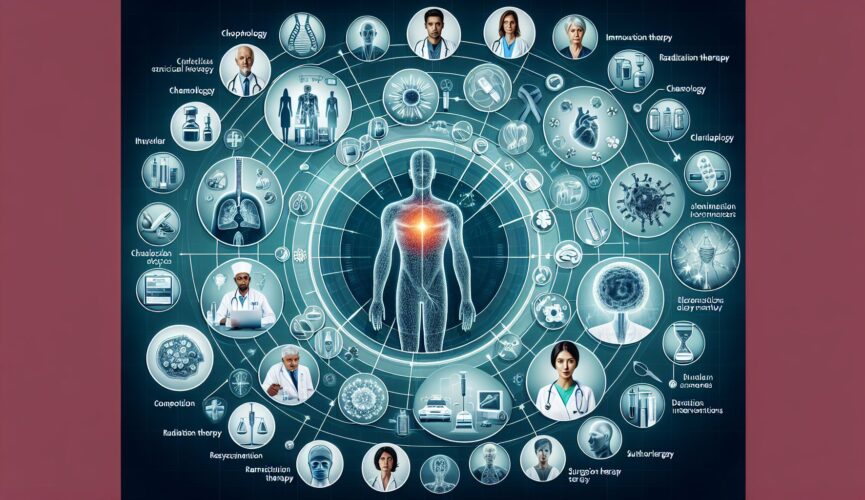
An expanding spectrum of cancer treatment options has transformed the way we battle the disease. Innovations in technology, an improved understanding of cancer genetics, and the integration of multidisciplinary care teams are refining how hospitals treat cancer patients, driving better patient outcomes. As medical professionals, it’s essential to keep informed about the latest trends in cancer treatment.

Surgery Remains Fundamental

Despite the developments in chemotherapy and radiation, surgery remains the bedrock of cancer treatment. Patient survival rates, particularly for solid tumors such as breast, lung, and colorectal cancer, are significantly impacted by a surgeon’s ability to successfully excise the tumor completely. Enhancement such as laparoscopic techniques and image-guided surgery has improved the precision and minimized the invasiveness of surgical intervention.

The Impact of Chemotherapy and Radiation Therapy

Chemotherapy and radiation therapy continue to take on central roles in cancer treatment. They can be employed individually, in tandem, or in conjunction with surgery. The use of chemotherapy has improved with the development of personalized treatment plans, which are more effective and come with fewer side effects.

Radiation therapy has also seen significant improvements, with advances like Image-Guided Radiation Therapy (IGRT) and Intensity-Modulated Radiation Therapy (IMRT) enabling higher precision in doses delivery. These strategies have proven successful in tumors previously considered untreatable through radiation, such as those in the brain or spine.

Targeted Therapies

Cancer genomics – the study of the genetic mutations that drive cancer development and growth – has revolutionized the way we approach cancer treatment. Targeted therapies specifically counteract the effects of these mutations, making treatments more effective and less harmful to the patient’s healthy cells.

Kinase inhibitors are a prime example of such therapies. Drugs like imatinib (Gleevec) for Chronic Myeloid Leukemia (CML) and Gefinitib (Iressa) for non-small-cell lung carcinoma have transformed the prognosis for these patients.

Immunotherapy – A Natural Defender

Harnessing the body’s immune system to fight cancer is a rapidly developing field known as immunotherapy. By boosting the body’s natural defenses or training them to identify and attack specific cancer cells, we can effectively create a highly targeted treatment with fewer side effects than traditional chemotherapy.

One form of this treatment, checkpoint inhibitors, has produced promising results. Medications like pembrolizumab (Keytruda) have shown remarkable efficacy in treating malignancies like metastatic melanoma and non-small-cell lung cancer.

Cellular Therapies – A Customized Approach

Cellular therapy, an offshoot of immunotherapy, involves re-engineering a patient’s immune cells to attack their specific cancer. CAR T-cell therapy, the most promising among these, involves modifying a patient’s T-cells to target a specific protein on cancer cells, thereby boosting the immune response. Although currently approved for certain types of lymphoma and leukemia, ongoing clinical trials suggest potential efficacy for solid tumors too.

The Emergence of Liquid Biopsies

Liquid biopsy brings non-invasive testing to cancer diagnosis and management, checking for tumor DNA in the blood. Not only can it indicate the presence or absence of cancer, it can also help track the disease’s progress and its response to treatment. While it cannot replace tissue biopsy entirely, it does provide a critical tool for continuous monitoring of the disease.

Hospitals Undergoing Transformation

In light of these advancements, hospitals have adjusted their approach and infrastructure for treating patients, pivoting towards a multidisciplinary and personalized approach to cancer care. Innovative technologies are increasingly integrated into everyday practice. Teleoncology, for example, provides remote access to specialized oncology services.

Keeping Pace with the Evolution of Cancer Treatment

The world of cancer treatment is evolving at a remarkable pace, offering hope to patients worldwide. With advancements in areas like immunotherapy and cellular therapy, we are gradually learning how to harness the body’s potential to battle this debilitating disease. Hospitals and medical professionals must keep updated on the latest treatment strategies to continue to provide the best possible care for their patients. As the profile of cancer care transforms, so too must our methods of treatment and patient support.

The future of cancer treatment is shaping up to be an exciting one as we continue to hone our understanding of the disease and refine our methodology. As the world of medicine welcomes these new strategies with open arms, one can’t help but look forward with curiosity and optimism into what the future holds. Today’s advancements are tomorrow’s standards, laying a strong foundation for advanced patient care in the years to come.

Decoding the Art of Disease Diagnosis and Treatment: A Guiding Beacon for Medical Students

As future healthcare providers, medical students bear the responsibility of mastering the art of diagnosis and treatment, laying the foundation upon which society’s well-being rests. This analysis aims to demystify this critical process, providing a roadmap to enhance your clinical decision-making skills.

Understanding The Clinical Reasoning Process

A significant part of medicine involves acing the process of clinical reasoning. Developing a structured approach to the information gathered during the patient’s visit is the first step. This includes meticulous documentation of the medical history, careful physical examination, and judicious use of diagnostic tests.

The role of differential diagnosis cannot be understated here. As future clinicians, the skill of inferring all possible conditions that could underlie a patient’s symptoms and signs should be honed. It’s common to turn directly to rare, flashy conditions. However, a memorable adage in medicine is, “When you hear hoofbeats, think of horses, not zebras.” This refers to the likelihood of common conditions over rare ones, the workhorses of diagnostics.

The most widely used framework for generating a differential diagnosis involves the mnemonic ‘VITAMIN C,’ which is a reminder to consider Vascular, Infectious, Traumatic, Autoimmune, Metabolic, Iatrogenic/Idiopathic, Neoplastic, Congenital, and environmental causes.

Diagnostic Tests And Their Interplay

To diligently navigate through the labyrinth of diagnostics, the understanding of tests’ sensitivity, specificity, predictive values, and likelihood ratios are crucial. These not only help in deciding when to order a test but also in interpreting the test results.

View diagnostics as a case of detective work, where results must be interpreted in light of the patient’s prior probability of disease and the particular test’s characteristics. Remember, tests can be both treacherous and enlightening. False positives and negatives abound, further muddled by the imperfect nature of human interpretation.

The Place Of Wellness Centers In Diagnosis And Treatment

Wellness centers often function as the first line of triage for patients. These hubs can foster healthy lifestyles, encourage prevention, and act as platforms for managing chronic illnesses. They also serve as the preliminary point for diagnosing diseases, often detecting early symptoms and ushering in timely intervention.

Evidence-based medicine is uniformly practiced throughout wellness centers. Here, your clinical acumen is blended with the patient’s values and preferences, and the best available evidence from research. This style of practice helps in diagnosing rare diseases, recommending suitable treatments, and refrains from doing any harm unnecessarily.

Treatment: A Fine Balance

Once a diagnosis is established, the focus shifts towards the treatment strategy. This includes any preventive, curative, palliative, or rehabilitation measures. Always emphasize shared decision making with the patient.

The purpose of treatment is not just to obliterate the disease but also to improve the patient’s quality of life. Be cautious of side effects and potential harms. The watchword here is primum non nocere – first, do no harm. Practicing rational therapeutics, ensuring adherence to standards, up-to-date clinical guidelines, and patient comfort marks an excellent clinical practice.

Embracing The Spirit Of Recovery

Embrace recovery as a journey that immerses not just the body, but mind, spirit, community, and environment into a state of holistic wellness. As scholars of medicine, it is your duty to respect recovery’s sanctity, offering therapies that alleviate the disease without imposing a heavy burden of side-effects and financial distress on patients.

Conclusion

Identifying pathology and revising remedies is a complex, nuanced endeavor, one that requires the assimilation of evidence-based investigation, clinical experience, and the human touch. Wellness centers play a significant role in facilitating early diagnosis with preventive care, and guiding patients through the recovery process.

Hold fast to these principles as the stepping-stones in your voyage through medical education. Embrace the exhilarating challenge of diagnosis and treatment, borne upon the waves of clinical reasoning, statistical wisdom, human empathy, and ethical responsibility. You are the hope-bearers in the battle against disease, the beacon safeguarding the health and wellness of humanity.

Understanding Radiology: A Crucial Component of Medical Education

The field of medicine is exploding with knowledge, discovery, and innovation. As emerging medical students and professionals, attaining an understanding of radiology’s basic principles and functionalities is essential. This comprehensive field plays a pivotal role in patient diagnosis, treatment, and recovery. Here’s a deep dive into understanding what radiology is, and why it’s crucial for students of medicine.

What is Radiology?

Radiology is the medical specialty that utilizes imaging technologies and techniques to diagnose and treat a range of illnesses and healthcare conditions. From X-rays and magnetic resonance imaging (MRI) to computed tomography (CT) scans and ultrasound, the tools used in radiology enable healthcare providers to get a clear picture of a patient’s internal body systems.

The professionals working in radiology are broadly categorized into two types – radiologists and radiologic technologists. Radiologists are medical doctors who interpret the images, whereas radiologic technologists are the trained professionals who perform the imaging procedures.

The Role of Radiology in Medicine

In the present clinical setting, it’s nearly impossible to imagine patient care and treatment isolation from radiology. Hospitals largely depend on the radiology department for precise and quick diagnosis.

Every healthcare condition, ranging from a minor fracture to life-threatening cancer, requires a radiology-generated image for accurate diagnosis. The interventionist role of radiology in real-time procedures like angioplasty and stent placement has made surgeries less invasive and recovery much quicker.

If we see from a broader perspective, radiology serves three significant functions in medicine – diagnosis, treatment, and prognosis.

Diagnosis

Radiology provides a non-invasive means of viewing the body’s internal structures. It serves as a crucial tool in diagnosing a wide array of health conditions, ranging from bone fractures and tumors to signs of heart disease.

Treatment

Radiology isn’t just about image creation. Interventional radiologists deploy minimally invasive, image-guided procedures in the treatment process. It amplifies the effectiveness of the treatment by allowing the targeted delivery of therapies while minimizing harm to healthy tissues.

Prognosis

In addition to diagnosing and treating diseases, radiology also plays an integral part in monitoring the disease process, reviewing the effectiveness of treatments, and predicting outcomes (prognosis).

Why is Radiology Important for Medical Students?

With radiology’s undeniable importance in modern medicine, one can easily deduce its significance to a medical student’s education.

Understanding the Patient’s Condition Thoroughly

For upcoming doctors, radiology provides a unique insight into the patient’s condition. It imparts the ability to understand diseases at a pathophysiological level and to recognize their presentation on the imaging scans.

Critical Decision-Making

Understanding radiology means enhanced decision-making skills. With the acquired knowledge and trained ability to interpret radiological images, students can make critical treatment decisions and develop optimal treatment plans.

Practical Utility and Hands-on Experience

Laboratory learning can only provide theoretical knowledge. Radiology allows students to extend beyond textbooks, gaining hands-on practical experience. Observing and assisting radiologists in real-time procedures can boost their learning curve and confidence.

Fostering Interdepartmental Communication

Last but not least, understanding radiology can bridge communication between different medical departments. It paves the way for better coordination and patient care.

Conclusion: Integrating Radiology in Medical Education

The art of understanding and interpreting radiological images is no less than a language. Given the central role it plays in modern medicine, the urgency to incorporate a robust radiology curriculum in medical education extends beyond the boundaries of necessity.

It’s high time that we do not view radiology as a separate entity, but as an integral part of holistic medical care. This integration will not only improve medical student education, but it will positively influence patient care across hospitals and healthcare institutions.

Staying Healthy and Vibrant Past 40: A Comprehensive Guide for Educators

Educating others is a rewarding, but often demanding, career path that requires mental strength, physical stamina and emotional resilience. Particularly for educators over 40, maintaining good health becomes crucial. In this article, we will explore straightforward, scientifically-backed strategies educators can utilize to stay healthy, vibrant, and ready to make an impact on their students.

Maintaining a Healthy Diet: Fuel Your Body Right

As we age, our metabolic rate decreases, making it more critical to fuel our bodies with nutritious food. For educators, maintaining a balanced diet aids in the ability to concentrate, reduces fatigue, and helps to manage weight. It’s not about strict deprivation – rather, it’s about consuming foods that nourish you, providing the energy you need to teach effectively. Easy actions to take include:

  • Prioritizing fruits, vegetables, lean proteins, and whole grains, while reducing the intake of processed foods and sugars.
  • Drinking enough fluid, primarily water, to stay hydrated.
  • Eating regular, smaller meals throughout the day to prevent overeating and to maintain consistent energy levels.

Regular Exercise: Keep Your Body Moving

Establishing a regular exercise routine is not only beneficial for physical health but also for mental well-being. Regular movement helps maintain a healthy weight, improves cardiovascular health, and boosts your mood. Consider the following:

  • Incorporating both cardiovascular activities such as running, swimming or cycling, coupled with resistance training for muscle strength.
  • Making movement a part of your school day; simple changes such as taking the stairs instead of elevators, or walking around while supervising students can make a big difference.
  • Including flexibility and balance exercises, like yoga or tai-chi, as part of your routine. This is particularly important as we age, to prevent injuries and to maintain a healthy range of motion.

Regular Check-Ups: Proactive Approach to Health

Even with a healthy lifestyle, it’s essential that educators over 40 schedule regular check-ups, screenings, and vaccinations. Regular self-examinations and doctor visits can catch health issues early and significantly increase the chance of successful treatment and recovery. Regular check-ups should include:

  • An annual comprehensive physical examination, including blood pressure, cholesterol levels and blood sugar levels.
  • Regular vision and hearing tests, given the importance in working with students.
  • Age and gender-appropriate screenings such as mammograms, prostate cancer screenings, or colonoscopies.

Mental Well-Being: Maintaining Cognitive Health

Developing cognitive and emotional resilience is as important as maintaining physical health. Chronic stress not only damages physical health but can also lead to mental health issues such as anxiety and depression. Consider:

  • Practicing mindfulness or meditation to cope with the stresses of teaching, this can be as simple as setting aside a few minutes a day to breathe deeply and focus.
  • Getting plenty of sleep: aim for 7-8 hours nightly. Lack of sleep can affect memory, cognitive functions, and mood.
  • Adopting cognitive-stimulating activities such as puzzles, reading, and continuous learning to keep your mind sharp.

Nurture your Social Network: A sense of Belonging

Lastly, fostering positive social relationships plays a vital role in overall health. Strong relationships can help reduce stress, increase lifespan, and develop a sense of belonging. Ways to nurture your network include:

  • Participating in school-based social activities.
  • Networking with other educators for both professional and personal growth.
  • Engaging in volunteering activities – this gives a sense of purpose and helps maintain a positive outlook.

In conclusion, maintaining good health is a multipronged approach that, when implemented consistently, can leave educators feeling energetically equipped to handle the rigors of their workday. Embarking on a health-focused journey as an educator provides an excellent role model for students about the importance of well-being. Remember, as educators, we learn and grow every day – and the journey toward health is no different. Happy teaching, and happy living!

Natural Treatment Approaches to Combat Cancer

The diagnosis of cancer is undeniably a daunting one for anyone to face. While traditional treatment methods like chemotherapy and radiation are effective, they are often accompanied by a series of debilitating side effects. As a result, more and more individuals are exploring natural ways to treat cancer to accompany their traditional medical treatments. For educators and community leaders, understanding these holistic options is crucial to spreading awareness and helping your community make informed health decisions.

Dietary Adjustments

First on our list of natural ways to aid in the fight against cancer is the undeniable power of dietary adjustments. Some studies suggest certain foods can inhibit cancer cell growth, these include:

  1. Cruciferous Vegetables: These include broccoli, cauliflower, cabbage, and Brussels sprouts. They contain a chemical component known as sulforaphane that has strong anticancer properties.

  2. Berries: Packed with antioxidants, berries reduce a type of cellular damage that can lead to cancer.

  3. Tomatoes: They possess lycopene, an antioxidant that could help combat prostate cancer.

Hence, paying attention to food choices, increasing the intake of organic fruits and vegetables, and minimizing processed foods can yield a number of health benefits.

Physical Activity

Regular exercise not only reduces the risk of developing various types of cancer, but it can also improve the recovery process for those undergoing cancer treatment. Physical activity aids in maintaining a healthy body weight, boosting the immune system, and improving mood and energy levels, all crucial components amongst treatment facilities.

Mind-Body Therapies

Mind-body therapies, such as meditation, yoga, and acupuncture, focus on the interactions among the brain, body, and behavior. They are designed to enable the mind to affect physical functioning and promote health. These therapies can help manage the stress of a cancer diagnosis, reduce treatment side effects, and enhance the quality of life.

Herbal and Vitamin Supplementation

Certain herbs and vitamins are believed to have potential anticancer effects. For example, the Indian spice turmeric contains a chemical called curcumin that has been shown to kill cancer cells in lab tests. Vitamin D, especially combined with calcium, might help prevent certain cancers, such as colon cancer. However, these should always be used under professional supervision as excessive use can have harmful effects.

The Power of Social Support

Being diagnosed with cancer can be isolating. Fostering a strong support system can significantly help patients navigate the ups and downs of the recovery process. This can range from participating in support groups to seeking counseling or simply spending quality time with loved ones.

Conclusion: A Holistic Approach Toward Cancer Treatment

To conclude, it’s fundamental to promote the concept that treating cancer doesn’t have to be solely about harsh medical treatments. While these treatments are crucial and lifesaving, integrating natural approaches can potentially minimize side effects and improve overall wellbeing during the recovery process.

Remember, these natural approaches should complement, not replace, traditional treatments. Patients should always consult their healthcare provider before making any changes to their treatment plan. As educators, it is our task to spread this awareness and provide knowledge about these options within our communities. By doing so, we empower patients to take an active role in their treatment and recovery – creating a more holistic, patient-centered approach to cancer care.

Natural Ways to Treat Cancer: A Guide for Medical Professionals

In the modern age of medicine, treating patients with cancer goes beyond conventional methods. With the rise of integrative oncology, more and more medical professionals are also looking at natural ways to treat cancer as an adjunct to traditional cancer treatment methods.

This article aims to discuss some of these natural ways that can potentially help patients with cancer, integrated into the standard care they’re already receiving from medical professionals. It’s important to note that these are not standalone treatments, but rather, supportive options that can enhance the overall treatment plan.

Diet Modification

Proper nutrition is fundamental to a cancer patient’s care, as the body needs strength to cope with the treatment’s demands. High-quality, nutrient-dense foods may contribute to better treatment outcomes by enhancing the body’s natural defense mechanisms and promoting overall well-being. A registered dietitian who specializes in oncology nutrition may be beneficial in helping patients design an appropriate, individualized diet plan.

In particular, research suggests that plant-based diets rich in fruits, vegetables, whole grains, and legumes can be beneficial. These foods are packed with phytochemicals, antioxidants, and fiber that may aid in cancer prevention and management.

Physical Activity

Physical activity can be beneficial to cancer patients. Studies have shown that regular exercise can help reduce cancer-related fatigue, improve mood, and potentially lower the risk of cancer recurrence and mortality. A safe and individually-tailored exercise program under the supervision of an exercise physiologist or physical therapist could be included as part-and-parcel of the treatment plan.

Acupuncture

Once viewed with skepticism by the medical community, acupuncture is now increasingly recognized for its potential benefits in cancer care. This ancient Chinese medical practice can help manage common cancer treatment side effects like nausea, vomiting, pain, and insomnia. Medical professionals should refer patients to a certified medical acupuncturist versed in treating oncology patients.

Herbal Medicine and Supplements

Herbal medicine and dietary supplements can potentially benefit some cancer patients when used in tandem with conventional cancer treatments. Some herbs and supplements show promise in boosting the immune system, improving quality of life, and reducing treatment side effects.

However, it’s crucial to tread with caution. Some natural remedies can interfere with cancer treatments or cause harmful side effects. Therefore, it’s imperative that medical professionals closely supervise their patients’ use of these substances and consult with a pharmacognosy expert whenever necessary.

Mind-Body Techniques

Mind-body techniques have emerged as a significant part of integrative oncology. Practices like meditation, yoga, and Tai Chi can help manage stress, improve quality of life, and potentially boost the immune system responses. Likewise, psycho-oncology, which involves psychological, social, and behavioral aspects of cancer, is an area worth exploring. Therapies like cognitive-behavioral therapy and mindfulness-based stress reduction have demonstrated good results in cancer patients.

Conclusion

Without a doubt, conventional cancer treatments are a cornerstone in oncology. However, an integrative approach that involves natural ways to treat cancer can yield significant benefits, potentially improving patients’ overall well-being and even survival rates.

While these natural methods in treating cancer are promising, they require further research and should always be employed under the careful guidance of medical professionals. Patient safety remains paramount, and all treatment modifications should arise from an informed, collaborative decision-making process between medical professionals and patients.

Ultimately, the goal here isn’t to replace but to enhance our arsenal against cancer. As medical professionals, it’s our job to stay open to possibilities and strive towards an integrative approach that can effectively improve not just the length but the quality of patients’ lives.

Lifesaving Medical Technologies: Crucial Innovations in Patient Treatment

In the path to medical excellence, technology has always been a faithful companion, sparking new avenues of hope and resiliency. As we ascend towards future breakthroughs, it’s worth taking a moment to spotlight the lifesaving medical technologies that shoulder the burden of saving lives in our hospitals today.

Real-time Health Monitoring Systems

It’s not just about treating patients but continually observing them.

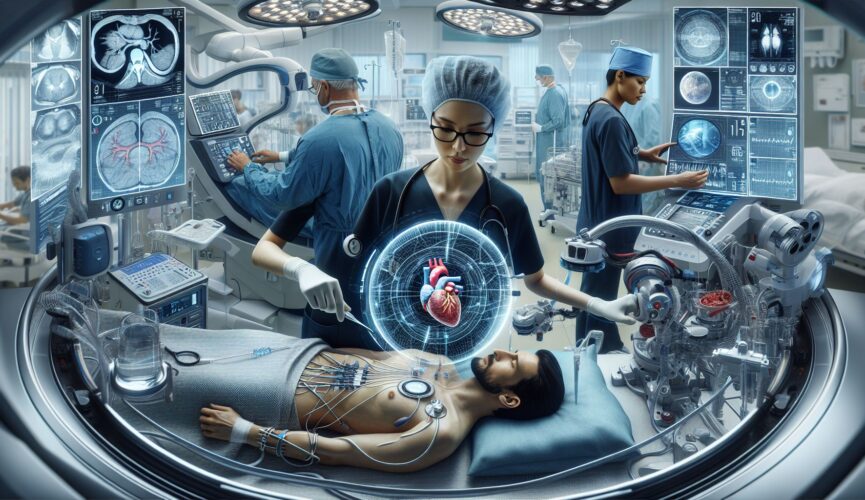
Healthcare providers no longer need to rely on periodic check-ups to keep abreast of their patients’ health status. Real-time health monitoring systems are transforming the way doctors interact with their patients, providing a constant flow of vital data such as heart rate, blood pressure, and glucose levels. This technology allows for proactive responses to any adverse changes in the patient’s condition, effectively eliminating the time window between problem detection and solution deployment.

These monitoring systems also provide a lifeline for high-risk patients who may be caring for their health independently, sending emergency notifications to the doctors if vital signs waver from the standard range.

Non-Invasive Diagnostic Tools

Invasive procedures are getting sidelined in favor of non-invasive diagnostic methods.

Medical imaging techniques such as Magnetic Resonance Imaging (MRI), Computed Tomography (CT) scans, and Positron Emission Tomography (PET) are playing a significant role in disease prevention, diagnosis, and treatment. These techniques promise a ‘visual’ journey into the human body, aiding doctors in pinpointing the disease locations, understanding their spread and devising effective treatment strategies.

Moreover, advanced ultrasounds now offer a 3D/4D view of the body’s interiors, and endoscopy procedures reduce the need for open surgeries to diagnose digestive tract issues.

Revolutionary Treatment Modalities

With new treatment modalities, doctors are not just treating conditions – they are transforming lives.

Certainly, some of the most phenomenal medical technologies lie in the field of treatment. Telemedicine, for example, facilitates access to healthcare to people in remote areas, making healthcare universally accessible.

Further, we have the advent of precision cancer therapies that target specific genetic anomalies to combat cancer. Deep-brain stimulation techniques treat Parkinson’s disease and depression. In addition, robotic-assisted surgeries enhance the precision and success rates of complex procedures while reducing recovery times.

Another exceptional development seen is Extracorporeal Membrane Oxygenation (ECMO). ECMO operates as a cardiopulmonary bypass system, providing respiratory and cardiac support for patients whose heart or lungs fail to function properly, giving them vital time to recover.

Conclusion

Working behind the scenes in our hospitals, these technologies are ensuring a definitive shift from reactionary to preventative healthcare, bolstering early detection, personalized treatment, and increased survival chances.

The future of medical technologies is promising immense potential. As advancements like gene-editing, AI-based diagnostic tools, 5G enabled telehealth services, and bioprinting make their way into the hospitals, we can expect an ever-increasing impact on saving and enhancing patient lives.

Indeed, the symphony between medical sciences and technology innovations is crafting a new era in healthcare, a beacon of hope and life for the patients.

Navigation