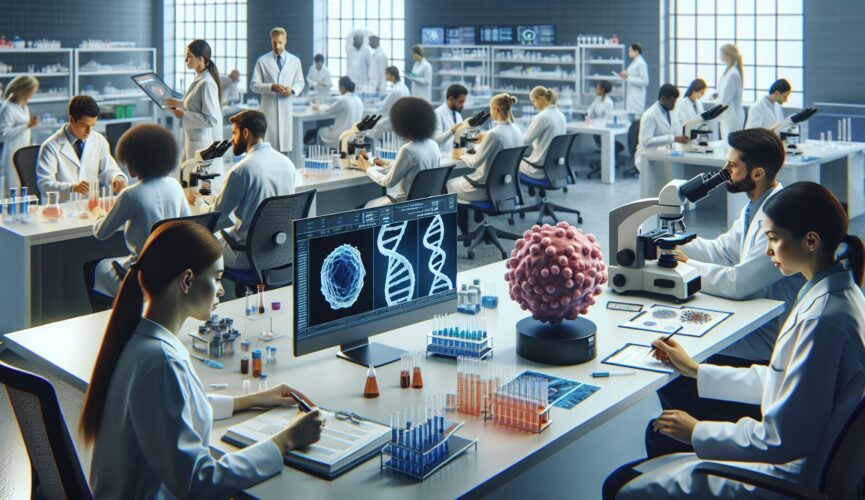
Cancer is a complex and devastating disease that affects millions of people around the world each year. Despite the challenges that come with a cancer diagnosis, there is hope on the horizon thanks to ongoing advancements in medical research and technology. In recent years, there have been significant breakthroughs in the treatment and management of various types of cancer, offering new hope and improved outcomes for patients.
One area of advancement in cancer treatment is personalized medicine. Traditional cancer treatments such as chemotherapy and radiation therapy are effective, but they can also have significant side effects and may not be equally effective for all patients. Personalized medicine involves using a patient’s genetic information to tailor treatments to their specific cancer type and individual characteristics. This approach allows for more targeted and effective treatments, potentially leading to better outcomes and fewer side effects for patients.
Another exciting advancement in cancer treatment is immunotherapy. Immunotherapy works by harnessing the power of the immune system to recognize and attack cancer cells. This approach has shown promising results in various types of cancer, including melanoma, lung cancer, and certain types of leukemia. Immunotherapy can help the immune system to identify and destroy cancer cells, potentially leading to long-lasting remissions and improved survival rates for patients.
In addition to advancements in treatment, there have been significant developments in cancer screening and early detection. Early detection is crucial in the fight against cancer, as it allows for treatment to begin at a more manageable stage when the chances of successful outcomes are higher. Advances in imaging technology, blood tests, and genetic screening have enabled healthcare providers to detect cancer earlier and with greater accuracy than ever before. Early detection can lead to improved survival rates and better overall outcomes for patients.
One of the most significant advancements in cancer research is the development of targeted therapies. Targeted therapies are drugs that specifically target the molecular pathways that are driving cancer growth. By targeting these specific pathways, targeted therapies can stop cancer cells from multiplying and spreading, leading to better treatment outcomes for patients. Targeted therapies have been developed for various types of cancer, including breast, lung, and colorectal cancer, and have shown promising results in improving survival rates and quality of life for patients.
Despite these advancements, it is important to remember that cancer remains a significant health challenge for many individuals and families. While medical advancements have made great strides in improving outcomes for cancer patients, there is still much work to be done in the fight against cancer. Continued research, funding, and support for cancer patients are essential in ensuring that advancements in cancer treatment and care continue to progress.
In conclusion, the field of oncology has seen tremendous advancements in recent years, offering new hope and improved outcomes for people with cancer. Personalized medicine, immunotherapy, early detection, and targeted therapies are just a few of the breakthroughs that have revolutionized the way we approach cancer treatment. While there is still much work to be done, these advancements represent significant progress in the fight against cancer and offer hope for a future where cancer is no longer a deadly disease. By supporting cancer research, raising awareness, and providing care and support for those affected by cancer, we can continue to make strides in improving the health and wellness of individuals living with cancer. Let us continue to work together in the fight against cancer and strive towards a world where cancer is no longer a threat to our health and well-being.