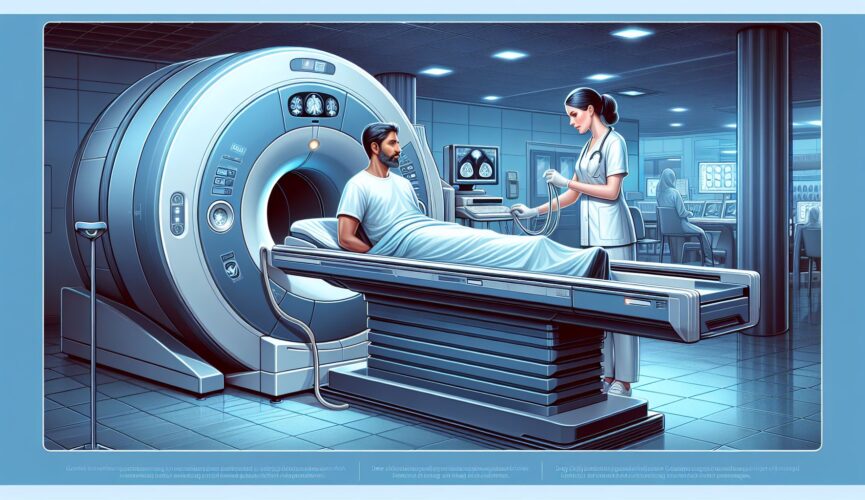
Radiology procedures play a crucial role in the diagnosis, treatment, and monitoring of cancer patients. As a healthcare professional working in a wellness center, it is important to have a thorough understanding of these procedures and their significance in treating patients with cancer.
Radiology procedures use various imaging techniques to visualize the internal structures of the body, helping healthcare providers in the diagnosis and management of cancer. These procedures include X-rays, computed tomography (CT) scans, magnetic resonance imaging (MRI), positron emission tomography (PET) scans, and ultrasound imaging.
X-rays are commonly used in cancer diagnosis to detect abnormalities such as tumors or metastases. CT scans provide detailed cross-sectional images of the body, allowing healthcare providers to visualize the size and location of tumors. MRI scans use magnetic fields and radio waves to produce detailed images of the body’s soft tissues, making them particularly useful in detecting tumors in the brain, spine, and other sensitive areas.
PET scans are used to detect metabolic changes in cells, helping healthcare providers identify areas of increased activity that may indicate the presence of cancer. Ultrasound imaging uses high-frequency sound waves to create real-time images of the body’s internal structures, aiding in the detection and monitoring of tumors.
In addition to aiding in the diagnosis of cancer, radiology procedures play a crucial role in the treatment and monitoring of cancer patients. Radiation therapy, a common treatment for cancer, uses high-energy radiation to destroy cancer cells and shrink tumors. Radiology procedures such as CT simulation and 3D conformal radiation therapy help healthcare providers precisely target tumors while minimizing damage to surrounding healthy tissue.
Interventional radiology procedures, such as radiofrequency ablation and chemoembolization, are used to deliver targeted treatments directly to tumors, reducing the need for invasive surgeries. These procedures offer cancer patients minimally invasive treatment options with fewer complications and faster recovery times.
Throughout the course of cancer treatment, radiology procedures are also used to monitor the progression of the disease and the response to treatment. Repeat imaging studies, such as CT scans or MRI scans, help healthcare providers assess the size and characteristics of tumors over time, guiding treatment decisions and adjustments.
As a healthcare professional working in a wellness center, it is important to educate cancer patients about the role of radiology procedures in their treatment and care. Understanding the purpose and benefits of these procedures can help alleviate patients’ fears and anxieties, empowering them to actively participate in their treatment plan.
It is important to provide compassionate care and support to cancer patients undergoing radiology procedures, as these tests can be stressful and overwhelming. Encouraging patients to ask questions, express their concerns, and engage in open communication can help them feel more comfortable and informed throughout their treatment journey.
In conclusion, radiology procedures play a vital role in the diagnosis, treatment, and monitoring of cancer patients. As healthcare professionals working in wellness centers, it is essential to have a comprehensive understanding of these procedures and their significance in treating patients with cancer. By educating and supporting cancer patients throughout their radiology journey, we can help them navigate their treatment with confidence and resilience.