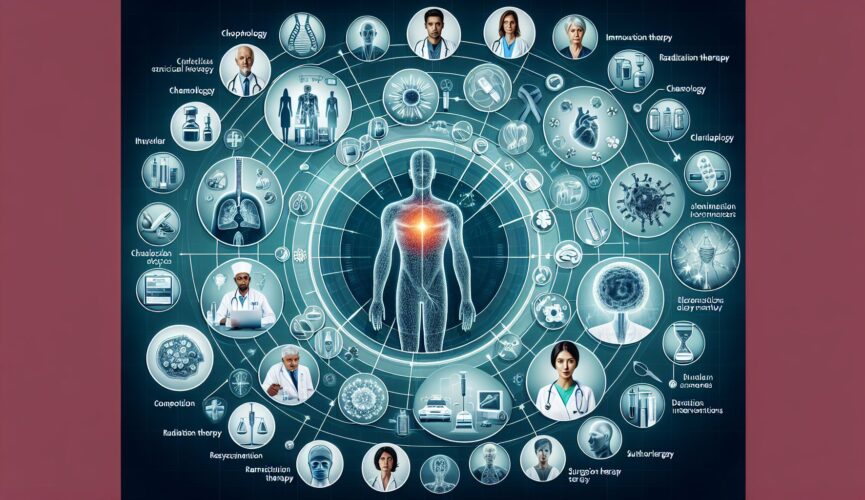
An expanding spectrum of cancer treatment options has transformed the way we battle the disease. Innovations in technology, an improved understanding of cancer genetics, and the integration of multidisciplinary care teams are refining how hospitals treat cancer patients, driving better patient outcomes. As medical professionals, it’s essential to keep informed about the latest trends in cancer treatment.
Surgery Remains Fundamental
Despite the developments in chemotherapy and radiation, surgery remains the bedrock of cancer treatment. Patient survival rates, particularly for solid tumors such as breast, lung, and colorectal cancer, are significantly impacted by a surgeon’s ability to successfully excise the tumor completely. Enhancement such as laparoscopic techniques and image-guided surgery has improved the precision and minimized the invasiveness of surgical intervention.
The Impact of Chemotherapy and Radiation Therapy
Chemotherapy and radiation therapy continue to take on central roles in cancer treatment. They can be employed individually, in tandem, or in conjunction with surgery. The use of chemotherapy has improved with the development of personalized treatment plans, which are more effective and come with fewer side effects.
Radiation therapy has also seen significant improvements, with advances like Image-Guided Radiation Therapy (IGRT) and Intensity-Modulated Radiation Therapy (IMRT) enabling higher precision in doses delivery. These strategies have proven successful in tumors previously considered untreatable through radiation, such as those in the brain or spine.
Targeted Therapies
Cancer genomics – the study of the genetic mutations that drive cancer development and growth – has revolutionized the way we approach cancer treatment. Targeted therapies specifically counteract the effects of these mutations, making treatments more effective and less harmful to the patient’s healthy cells.
Kinase inhibitors are a prime example of such therapies. Drugs like imatinib (Gleevec) for Chronic Myeloid Leukemia (CML) and Gefinitib (Iressa) for non-small-cell lung carcinoma have transformed the prognosis for these patients.
Immunotherapy – A Natural Defender
Harnessing the body’s immune system to fight cancer is a rapidly developing field known as immunotherapy. By boosting the body’s natural defenses or training them to identify and attack specific cancer cells, we can effectively create a highly targeted treatment with fewer side effects than traditional chemotherapy.
One form of this treatment, checkpoint inhibitors, has produced promising results. Medications like pembrolizumab (Keytruda) have shown remarkable efficacy in treating malignancies like metastatic melanoma and non-small-cell lung cancer.
Cellular Therapies – A Customized Approach
Cellular therapy, an offshoot of immunotherapy, involves re-engineering a patient’s immune cells to attack their specific cancer. CAR T-cell therapy, the most promising among these, involves modifying a patient’s T-cells to target a specific protein on cancer cells, thereby boosting the immune response. Although currently approved for certain types of lymphoma and leukemia, ongoing clinical trials suggest potential efficacy for solid tumors too.
The Emergence of Liquid Biopsies
Liquid biopsy brings non-invasive testing to cancer diagnosis and management, checking for tumor DNA in the blood. Not only can it indicate the presence or absence of cancer, it can also help track the disease’s progress and its response to treatment. While it cannot replace tissue biopsy entirely, it does provide a critical tool for continuous monitoring of the disease.
Hospitals Undergoing Transformation
In light of these advancements, hospitals have adjusted their approach and infrastructure for treating patients, pivoting towards a multidisciplinary and personalized approach to cancer care. Innovative technologies are increasingly integrated into everyday practice. Teleoncology, for example, provides remote access to specialized oncology services.
Keeping Pace with the Evolution of Cancer Treatment
The world of cancer treatment is evolving at a remarkable pace, offering hope to patients worldwide. With advancements in areas like immunotherapy and cellular therapy, we are gradually learning how to harness the body’s potential to battle this debilitating disease. Hospitals and medical professionals must keep updated on the latest treatment strategies to continue to provide the best possible care for their patients. As the profile of cancer care transforms, so too must our methods of treatment and patient support.
The future of cancer treatment is shaping up to be an exciting one as we continue to hone our understanding of the disease and refine our methodology. As the world of medicine welcomes these new strategies with open arms, one can’t help but look forward with curiosity and optimism into what the future holds. Today’s advancements are tomorrow’s standards, laying a strong foundation for advanced patient care in the years to come.