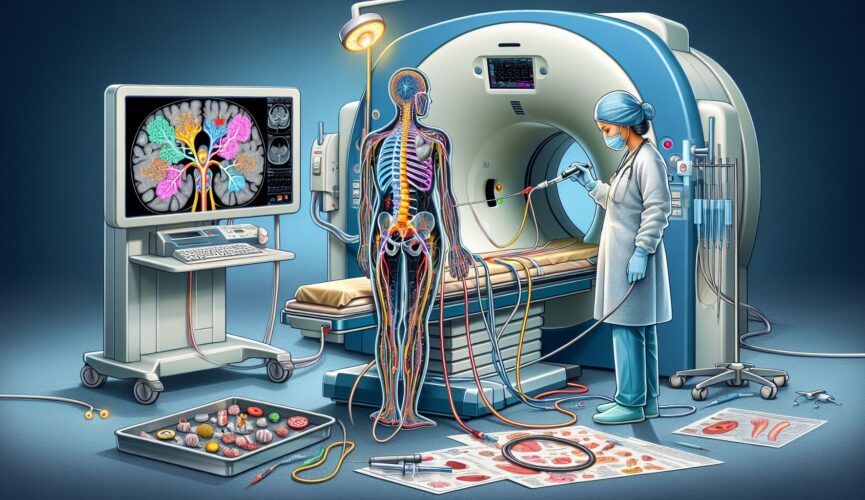
As future medical professionals, it is crucial for students of medicine to have a comprehensive understanding of the different specialties within the field of radiology. One such specialty that plays a significant role in diagnosing and treating a wide range of medical conditions is interventional radiology. In this article, we will explore the various conditions that can be treated using interventional radiology techniques.
Interventional radiology is a subspecialty of radiology that uses imaging guidance to perform minimally invasive procedures to diagnose and treat diseases throughout the body. Through the use of advanced medical technologies such as X-rays, ultrasound, and CT scans, interventional radiologists are able to visualize internal structures and organs in real-time, allowing them to perform precise interventions with minimal risk to the patient.
One of the most common conditions treated in interventional radiology is peripheral arterial disease (PAD). This condition occurs when the blood vessels in the arms and legs become narrowed or blocked, leading to poor circulation and potentially severe complications such as pain, numbness, and even tissue death. Interventional radiologists can perform procedures such as angioplasty and stenting to reopen blocked arteries and restore blood flow to the affected limbs, thereby improving symptoms and preventing further damage.
Another condition that can be effectively treated with interventional radiology is deep vein thrombosis (DVT). DVT occurs when a blood clot forms in a vein deep within the body, typically in the legs. If left untreated, these clots can break loose and travel to the lungs, causing a life-threatening condition known as pulmonary embolism. Interventional radiologists can perform procedures such as thrombolysis, where clot-busting medications are delivered directly to the clot using a catheter, helping to dissolve the clot and restore blood flow in the affected vein.
Interventional radiology can also play a crucial role in the treatment of liver cancer, a condition that affects millions of people worldwide. By using techniques such as chemoembolization and radiofrequency ablation, interventional radiologists can deliver targeted treatments directly to the tumor, while sparing healthy surrounding tissue. These minimally invasive procedures can help to shrink or destroy tumors, providing patients with a less invasive alternative to traditional surgical options.
In addition to the conditions mentioned above, interventional radiology can also be used to treat a variety of other medical issues, including uterine fibroids, kidney stones, and even certain types of chronic pain. By harnessing the power of medical imaging and specialized techniques, interventional radiologists are able to provide patients with safe and effective treatment options that offer faster recovery times and fewer complications compared to traditional surgical procedures.
In conclusion, interventional radiology is a rapidly evolving field that plays a vital role in the diagnosis and treatment of a wide range of medical conditions. As future healthcare providers, it is important for students of medicine to familiarize themselves with the capabilities of interventional radiology and understand how these techniques can be used to improve patient outcomes. By staying informed and continuously learning about advances in medical technologies and caring for the sick, students can better serve their future patients and contribute to the advancement of healthcare as a whole.