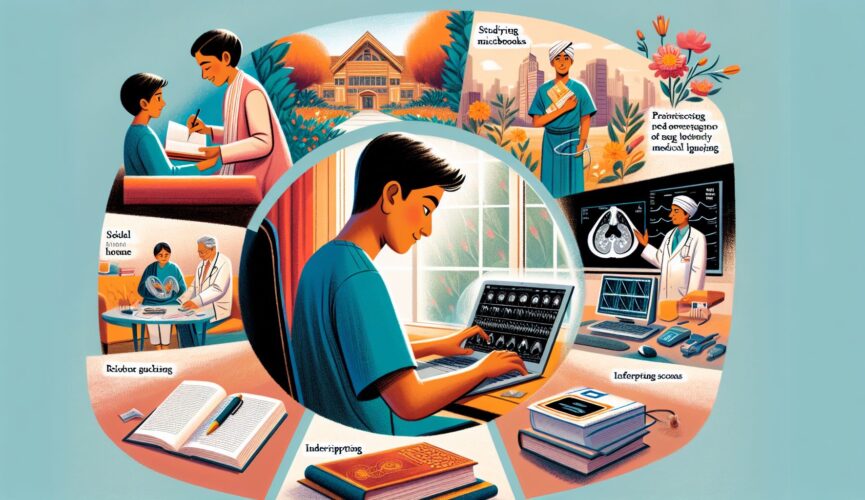
When a family member falls ill, we often feel helpless and wish there was more we could do to help them. One way to contribute to their healing process is by becoming a radiologist. Radiologists play a crucial role in the diagnosis and treatment of various medical conditions through the use of medical imaging techniques. By pursuing a career in radiology, you can not only help your sick loved ones but also make a difference in the lives of many patients in need of accurate diagnoses and effective treatment plans.
What is a Radiologist?
Before delving into the steps to becoming a radiologist, let’s first understand what a radiologist does. Radiologists are medical doctors who specialize in interpreting images obtained through techniques such as X-rays, CT scans, MRIs, and ultrasounds. These images provide valuable information to help diagnose and monitor a wide range of medical conditions, from broken bones to complex internal organ diseases.
Radiologists work closely with other healthcare professionals to determine the best course of treatment for patients based on their imaging findings. Their expertise is crucial in guiding surgeons during procedures, monitoring the progress of treatments, and ensuring accurate diagnoses.
Steps to Becoming a Radiologist
Becoming a radiologist requires dedication, a strong educational background, and a commitment to lifelong learning. Here are the steps you can take to pursue a career in radiology:
-
Earn a Bachelor’s Degree: To become a radiologist, you must first complete a bachelor’s degree in a related field, such as biology, chemistry, or physics. While specific requirements may vary by program, a strong foundation in the sciences is essential for success in medical school.
-
Attend Medical School: After earning your bachelor’s degree, you will need to attend medical school to obtain a Doctor of Medicine (MD) or Doctor of Osteopathic Medicine (DO) degree. Medical school typically takes four years to complete and involves a combination of classroom lectures, laboratory work, and clinical rotations.
-
Complete Residency Training: Following medical school, aspiring radiologists must complete a four-year residency program in diagnostic radiology. During this time, residents gain hands-on experience in interpreting medical images, working with patients, and collaborating with other healthcare professionals.
-
Consider Subspecialty Training: Radiologists can choose to pursue additional fellowship training in a subspecialty area, such as neuroradiology, musculoskeletal radiology, or pediatric radiology. Subspecialty training allows radiologists to develop expertise in a specific area of interest and provide specialized care to patients.
-
Obtain Board Certification: Upon completing residency training, radiologists can obtain board certification through the American Board of Radiology (ABR) or the American Osteopathic Board of Radiology (AOBR). Board certification demonstrates a radiologist’s commitment to maintaining high standards of practice and staying up-to-date on advancements in the field.
Making a Difference Through Radiology
As a radiologist, you have the opportunity to make a real difference in the lives of your sick family members and patients. By accurately interpreting medical images, you can help healthcare providers develop targeted treatment plans that improve outcomes and quality of life for those in need. Your expertise in medical imaging can also provide reassurance to patients and their families, helping them navigate challenging health conditions with confidence and support.
In addition to diagnostic imaging, radiologists play a key role in minimally invasive procedures, such as image-guided biopsies and treatments. These procedures offer patients less pain, shorter recovery times, and decreased risk compared to traditional surgical techniques, further enhancing the value of radiology in patient care.
Conclusion
Becoming a radiologist is a rewarding and fulfilling career path that allows you to support your sick family members and contribute to the well-being of countless patients in need of medical imaging services. By following the steps outlined above and maintaining a commitment to excellence in patient care, you can make a meaningful impact in the field of radiology and help improve the lives of those facing health challenges. If you have a passion for science, medicine, and helping others, consider pursuing a career in radiology and be a source of hope and healing for your loved ones and beyond.