Author: Darren West

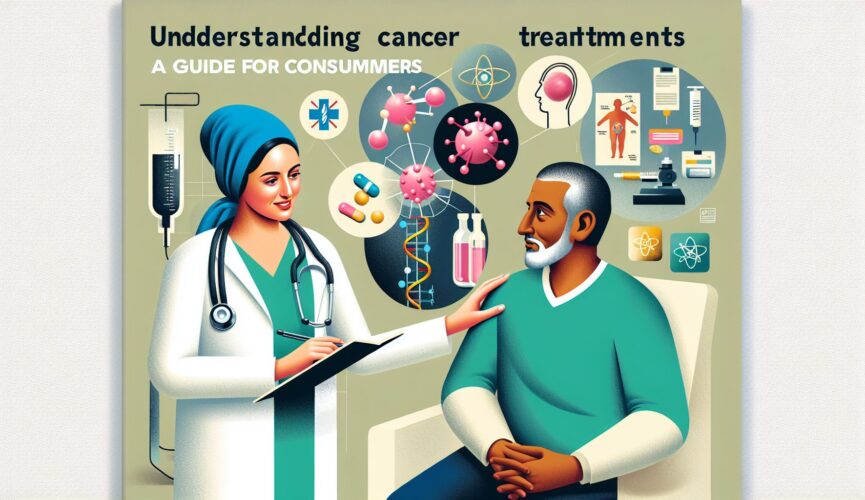
Understanding Cancer Treatments: A Guide for Consumers

Cancer is a formidable adversary that affects millions of people worldwide each year. It is a disease that can strike anyone, regardless of age, gender, or ethnicity. Fortunately, advancements in medical science have led to a variety of treatment options for those diagnosed with cancer. In this article, we will explore some of the most common cancer treatments available to help you better understand how they work and how they can help individuals in their fight against this deadly disease.

Surgery

Surgery is often one of the first lines of defense against cancer. It involves removing the tumor and surrounding tissue to prevent the spread of cancer cells to other parts of the body. Surgery is most effective when the cancer is localized and has not spread extensively. In some cases, surgery may be combined with other treatments, such as chemotherapy or radiation therapy, to ensure the best possible outcome for the patient.

Chemotherapy

Chemotherapy involves the use of powerful drugs to kill cancer cells or stop them from growing and dividing. These drugs can be administered orally or intravenously and are typically given in cycles to allow the body time to recover between treatments. Chemotherapy can be extremely effective in killing cancer cells, but it can also cause a range of side effects, including nausea, hair loss, and fatigue.

Radiation Therapy

Radiation therapy uses high-energy rays to kill cancer cells or shrink tumors. It can be delivered externally through a machine that directs radiation at the tumor, or internally through radioactive substances that are placed near or directly into the tumor. Like chemotherapy, radiation therapy can have side effects, such as skin irritation and fatigue, but it is a critical tool in the fight against cancer.

Immunotherapy

Immunotherapy is a relatively newer form of cancer treatment that harnesses the power of the body’s immune system to fight cancer. It involves either stimulating the immune system to work harder or smarter to attack cancer cells, or giving the immune system a boost by providing artificial components that can help it recognize cancer cells more effectively. Immunotherapy has shown great promise in treating certain types of cancer, with fewer side effects than traditional treatments.

Targeted Therapy

Targeted therapy is a type of treatment that targets specific genes, proteins, or the tissue environment that contributes to the growth and survival of cancer cells. By targeting these specific factors, targeted therapy can help stop the growth of cancer cells while leaving normal cells unharmed. This type of treatment is often less harmful to the body than traditional chemotherapy and can be more effective in certain cases.

Clinical Trials

Clinical trials are research studies that evaluate the effectiveness of new treatments or procedures for specific diseases. Patients who participate in clinical trials have access to cutting-edge treatments that may not yet be available to the general public. By volunteering for a clinical trial, patients can help researchers better understand how to treat and ultimately cure cancer.

In conclusion, cancer treatments have come a long way in recent years, offering patients more options than ever before. Whether it’s surgery, chemotherapy, radiation therapy, immunotherapy, targeted therapy, or participation in a clinical trial, there are numerous ways to combat this deadly disease. By understanding the different types of treatments available, patients can work with their healthcare providers to develop a personalized treatment plan that gives them the best chance at beating cancer. The key is to stay informed, ask questions, and never lose hope in the fight against cancer.
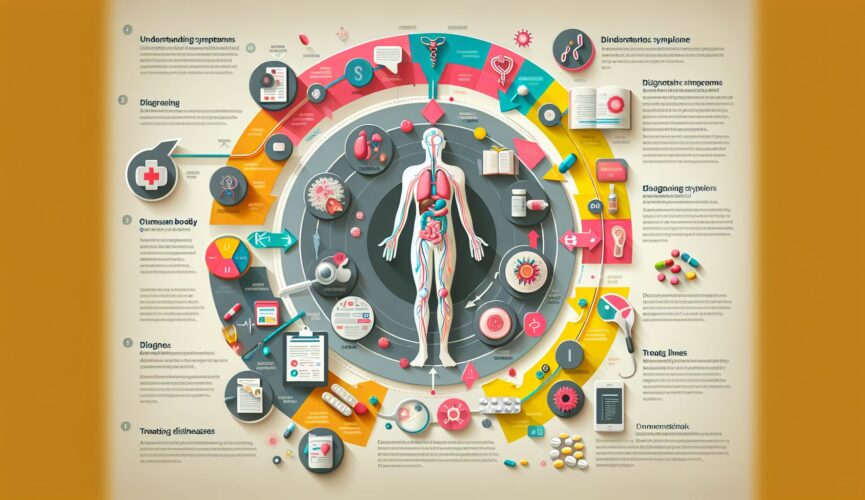
Understanding Diseases: Diagnosing and Treating for Consumers

As consumers, it is important to have a basic understanding of how diseases are diagnosed and treated in order to take control of our health and well-being. While diagnosing and treating diseases may seem like complex processes reserved for medical professionals, gaining some knowledge in this area can empower us to make informed decisions about our health. In this article, we will discuss the general steps involved in diagnosing and treating diseases, as well as some important considerations for disease prevention.

Diagnosing Diseases:

Diagnosing a disease is the crucial first step in determining the appropriate treatment plan. There are several methods that healthcare professionals use to diagnose diseases, including:

  1. Medical History: The doctor will typically start by taking a thorough medical history, which includes information about the patient’s symptoms, past illnesses, family history of diseases, and any medications they are currently taking.

  2. Physical Examination: A physical examination is often conducted to look for signs of disease, such as abnormalities in the skin, eyes, or organs.

  3. Laboratory Tests: Blood tests, urine tests, and other laboratory tests may be ordered to detect specific markers of disease, such as levels of certain hormones or antibodies.

  4. Imaging Studies: Imaging studies, such as X-rays, CT scans, or MRIs, can provide detailed pictures of the inside of the body to help diagnose diseases affecting organs or tissues.

  5. Biopsy: In some cases, a tissue sample may need to be collected and examined under a microscope to make a definitive diagnosis.

Treating Diseases:

Once a disease has been diagnosed, the next step is to develop a treatment plan. The treatment plan will depend on the specific disease, as well as the patient’s overall health and preferences. Some common treatment approaches include:

  1. Medication: Many diseases can be effectively treated with medication, such as antibiotics for infections or chemotherapy for cancer.

  2. Surgery: In some cases, surgery may be necessary to remove diseased tissue or repair damaged organs.

  3. Chemotherapy/Radiation Therapy: These treatments are often used to kill cancer cells or shrink tumors.

  4. Physical Therapy: Physical therapy can help patients regain strength and mobility after an injury or surgery.

  5. Lifestyle Changes: Making healthy lifestyle choices, such as eating a balanced diet, exercising regularly, and avoiding smoking, can play a significant role in managing and preventing diseases.

Disease Prevention:

While diagnosing and treating diseases is essential, it is equally important to focus on disease prevention. Some key strategies for preventing diseases include:

  1. Regular Medical Check-ups: Visiting a healthcare provider for regular check-ups can help detect and treat diseases early.

  2. Vaccinations: Vaccinations are a safe and effective way to prevent infectious diseases, such as the flu or pneumonia.

  3. Healthy Diet: Eating a balanced diet rich in fruits, vegetables, and whole grains can help prevent many chronic diseases, such as heart disease and diabetes.

  4. Exercise: Regular physical activity can lower the risk of developing heart disease, stroke, and certain types of cancer.

  5. Stress Management: Chronic stress can weaken the immune system and increase the risk of disease, so finding healthy ways to manage stress is important for overall health.

In conclusion, understanding how diseases are diagnosed and treated is a valuable tool for consumers looking to take control of their health. By familiarizing ourselves with the general steps involved in diagnosing and treating diseases, as well as implementing strategies for disease prevention, we can make informed decisions about our health and well-being. Remember that early detection and treatment of diseases is key to successful outcomes, so don’t hesitate to seek medical attention if you have any concerns about your health. Stay informed, stay healthy!

Understanding Radiology Procedures for Disease Prevention

Radiology is a branch of medical science that uses imaging techniques like X-rays, CT scans, MRIs, and ultrasounds to diagnose and treat diseases. These procedures play a crucial role in disease prevention and early detection, especially when it comes to serious conditions like cancer.

X-Rays: Perhaps the most well-known radiology procedure, X-rays use electromagnetic radiation to create images of the inside of the body. They are commonly used to detect bone fractures, tumors, and pneumonia.

CT Scans: Computed tomography (CT) scans combine multiple X-ray images to create detailed cross-sectional images of the body. CT scans are excellent for identifying tumors, blood clots, and internal injuries.

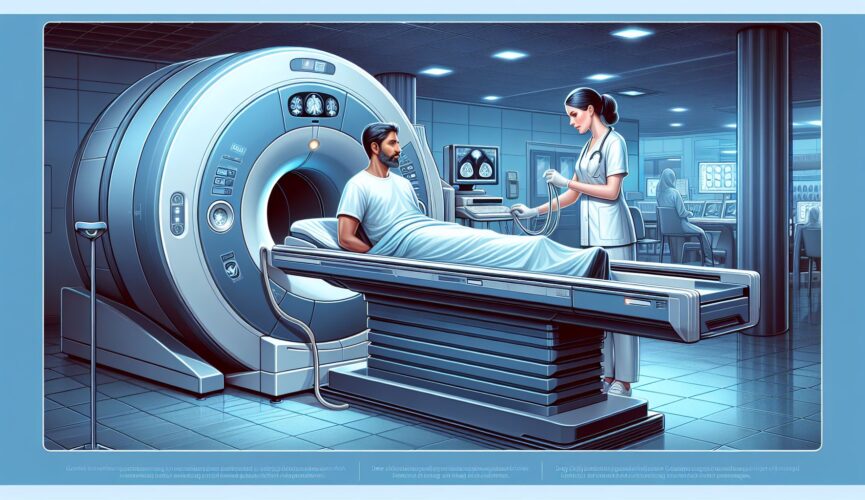
MRI: Magnetic resonance imaging (MRI) uses powerful magnets and radio waves to generate detailed images of organs and tissues. MRIs are particularly useful for detecting brain tumors, spinal cord injuries, and joint problems.

Ultrasounds: Ultrasounds use high-frequency sound waves to create images of the inside of the body. They are commonly used to monitor fetal development during pregnancy, as well as to detect gallstones and evaluate blood flow.

When it comes to disease prevention, radiology procedures are invaluable tools for early detection. For instance, mammograms are a type of X-ray used to screen for breast cancer in women. By detecting abnormalities in breast tissue early on, mammograms can help doctors diagnose and treat breast cancer before it spreads.

Similarly, colonoscopies are a type of CT scan used to screen for colorectal cancer. By examining the lining of the colon for polyps or other abnormalities, colonoscopies can help prevent the development of colorectal cancer or catch it in its early stages when treatment is most effective.

In addition to cancer screening, radiology procedures can also help prevent heart disease by detecting blocked arteries or other abnormalities in the cardiovascular system. For example, a coronary angiogram uses X-rays and contrast dye to image the blood vessels in the heart, helping doctors identify and treat blockages that could lead to a heart attack.

Overall, radiology procedures are essential tools for disease prevention and early detection. By undergoing regular screenings and imaging tests, you can catch health problems before they become serious and take steps to protect your well-being.

In conclusion, understanding radiology procedures is critical for consumers who want to take control of their health and prevent disease. By scheduling regular screenings and imaging tests, you can catch health problems early and work with your healthcare provider to develop a plan for prevention and treatment. Remember, knowledge is power when it comes to your health, so don’t hesitate to ask questions and stay informed about the role of radiology in disease prevention.

Understanding Radiology Procedures for Cancer Patients

Radiology procedures play a crucial role in the diagnosis, treatment, and monitoring of cancer patients. As a healthcare professional working in a wellness center, it is important to have a thorough understanding of these procedures and their significance in treating patients with cancer.

Radiology procedures use various imaging techniques to visualize the internal structures of the body, helping healthcare providers in the diagnosis and management of cancer. These procedures include X-rays, computed tomography (CT) scans, magnetic resonance imaging (MRI), positron emission tomography (PET) scans, and ultrasound imaging.

X-rays are commonly used in cancer diagnosis to detect abnormalities such as tumors or metastases. CT scans provide detailed cross-sectional images of the body, allowing healthcare providers to visualize the size and location of tumors. MRI scans use magnetic fields and radio waves to produce detailed images of the body’s soft tissues, making them particularly useful in detecting tumors in the brain, spine, and other sensitive areas.

PET scans are used to detect metabolic changes in cells, helping healthcare providers identify areas of increased activity that may indicate the presence of cancer. Ultrasound imaging uses high-frequency sound waves to create real-time images of the body’s internal structures, aiding in the detection and monitoring of tumors.

In addition to aiding in the diagnosis of cancer, radiology procedures play a crucial role in the treatment and monitoring of cancer patients. Radiation therapy, a common treatment for cancer, uses high-energy radiation to destroy cancer cells and shrink tumors. Radiology procedures such as CT simulation and 3D conformal radiation therapy help healthcare providers precisely target tumors while minimizing damage to surrounding healthy tissue.

Interventional radiology procedures, such as radiofrequency ablation and chemoembolization, are used to deliver targeted treatments directly to tumors, reducing the need for invasive surgeries. These procedures offer cancer patients minimally invasive treatment options with fewer complications and faster recovery times.

Throughout the course of cancer treatment, radiology procedures are also used to monitor the progression of the disease and the response to treatment. Repeat imaging studies, such as CT scans or MRI scans, help healthcare providers assess the size and characteristics of tumors over time, guiding treatment decisions and adjustments.

As a healthcare professional working in a wellness center, it is important to educate cancer patients about the role of radiology procedures in their treatment and care. Understanding the purpose and benefits of these procedures can help alleviate patients’ fears and anxieties, empowering them to actively participate in their treatment plan.

It is important to provide compassionate care and support to cancer patients undergoing radiology procedures, as these tests can be stressful and overwhelming. Encouraging patients to ask questions, express their concerns, and engage in open communication can help them feel more comfortable and informed throughout their treatment journey.

In conclusion, radiology procedures play a vital role in the diagnosis, treatment, and monitoring of cancer patients. As healthcare professionals working in wellness centers, it is essential to have a comprehensive understanding of these procedures and their significance in treating patients with cancer. By educating and supporting cancer patients throughout their radiology journey, we can help them navigate their treatment with confidence and resilience.

The Importance of Radiology in Healthcare

Radiology is a crucial aspect of modern medicine that plays a vital role in diagnosing and treating various medical conditions. It is a branch of medical imaging that utilizes advanced technology to create detailed images of the inside of the body, allowing healthcare professionals to accurately diagnose and treat patients.

The field of radiology encompasses a variety of imaging techniques, including X-rays, ultrasound, MRI (magnetic resonance imaging), CT scans (computed tomography), and nuclear medicine scans. Each imaging modality has its unique advantages and uses, making it essential for medical professionals to have a thorough understanding of how and when to utilize these tools effectively.

One of the primary reasons why radiology is so important in healthcare is its ability to provide detailed images of the internal structures of the body. These images can help doctors identify abnormalities, such as tumors, fractures, or internal bleeding, that may not be visible through physical examination alone. By using radiology, healthcare professionals can make more accurate diagnoses, leading to better patient outcomes.

In the case of cancer treatment, radiology plays a crucial role in both diagnosis and treatment planning. Imaging techniques such as MRI and CT scans can help oncologists determine the size and location of tumors, as well as monitor the response to treatment over time. This information is essential for developing personalized treatment plans that are tailored to the individual needs of each patient.

Radiology is also essential for guiding minimally invasive procedures, such as biopsies or injections. By using imaging techniques to visualize the target area in real-time, doctors can safely and accurately perform these procedures with minimal discomfort to the patient. This not only improves patient comfort but also reduces the risk of complications associated with the procedure.

Additionally, radiology plays a crucial role in monitoring disease progression and treatment response. By regularly imaging patients throughout their treatment journey, healthcare professionals can assess the effectiveness of the treatment and make necessary adjustments to ensure the best possible outcome for the patient. This real-time feedback loop is crucial for optimizing patient care and improving overall treatment success rates.

In summary, radiology is an indispensable tool for healthcare professionals in diagnosing, treating, and monitoring a wide range of medical conditions. From cancer treatment to routine check-ups, imaging techniques such as X-rays, MRI, CT scans, and ultrasound play a crucial role in providing accurate and timely information to guide medical decision-making.

As technology continues to advance, the field of radiology is constantly evolving, with new imaging modalities and techniques being developed to improve patient care. By staying updated on the latest advancements in radiology, healthcare professionals can continue to provide high-quality, evidence-based care to their patients and improve outcomes across a wide range of medical specialties.

In conclusion, radiology is an essential component of modern healthcare that plays a crucial role in the diagnosis, treatment, and monitoring of various medical conditions. By utilizing advanced imaging techniques, healthcare professionals can provide accurate and personalized care to their patients, ultimately improving outcomes and quality of life. With the continued advancement of technology in radiology, the future looks bright for the field and the countless patients who stand to benefit from its capabilities.

#Advancements in Cancer Treatment: A Look at the Latest Breakthroughs

Cancer has long been a devastating diagnosis for millions of people around the world. However, thanks to ongoing research and advancements in medical technology, there is now more hope than ever for those battling this disease. From new treatments to innovative diagnostic tools, the landscape of cancer care is continuously evolving in a positive direction.

One of the most exciting advancements in cancer treatment in recent years is the development of targeted therapies. Unlike traditional chemotherapy, which can affect healthy cells along with cancerous ones, targeted therapies specifically target the genetic mutations and proteins that drive the growth of cancer cells. This precision approach not only improves the effectiveness of treatment but also reduces the side effects commonly associated with chemotherapy.

Immunotherapy is another groundbreaking development in cancer care. This innovative treatment harnesses the power of the body’s immune system to identify and destroy cancer cells. By boosting the immune response, immunotherapy has shown remarkable success in treating certain types of cancer, such as melanoma and lung cancer. As researchers continue to explore the potential of immunotherapy, the possibilities for its application in a wider range of cancers are vast.

Advancements in early detection methods have also played a crucial role in improving outcomes for cancer patients. Techniques such as liquid biopsies, which detect cancer DNA in the bloodstream, and advanced imaging technologies, like PET scans and MRI, allow for more accurate and timely diagnosis of cancer. Early detection is key to successful treatment, as it enables healthcare providers to intervene sooner when the disease is at a more manageable stage.

Precision medicine is another area of significant progress in cancer care. By analyzing a patient’s genetic makeup, doctors can tailor treatment plans to target the specific mutations driving their cancer. This individualized approach not only improves the success rate of treatment but also minimizes unnecessary exposure to potentially harmful therapies. As precision medicine continues to evolve, it has the potential to revolutionize cancer care by offering personalized treatment strategies based on each patient’s unique biology.

Supportive care services have also seen advancements in recent years, focusing on improving the quality of life for cancer patients. Treatment facilities now offer a range of complementary therapies, such as acupuncture, massage, and mindfulness meditation, to help alleviate the physical and emotional side effects of cancer treatment. Additionally, palliative care services are available to provide relief from symptoms such as pain, nausea, and fatigue, enhancing the overall well-being of patients throughout their cancer journey.

As the field of oncology continues to evolve, it is essential for healthcare providers to stay informed about the latest advancements in cancer treatment. By incorporating these new technologies and therapies into clinical practice, we can offer more effective and personalized care to those affected by cancer. Furthermore, ongoing research and collaboration among healthcare professionals will drive further innovations in cancer care, ultimately improving outcomes and quality of life for patients.

In conclusion, the advancements in cancer treatment represent a significant step forward in the fight against this disease. From targeted therapies to immunotherapy and precision medicine, there is a wealth of treatment options available that offer hope and promise to those with cancer. By staying at the forefront of these developments and providing compassionate care to patients, healthcare providers can make a meaningful impact in the lives of those affected by cancer. Together, we can continue to push the boundaries of medical science and create a brighter future for cancer care.

Natural Ways to Treat Cancer: A Comprehensive Guide

Cancer is a devastating disease that affects millions of people worldwide each year. While traditional treatments such as chemotherapy and radiation can be effective, they often come with harsh side effects that can take a toll on the body. Many people are turning to natural remedies to help alleviate these side effects and boost their overall health during cancer treatment. In this article, we will explore some natural ways to treat cancer for those who are looking for alternative options.

The Power of Nutrition

One of the most important aspects of treating cancer naturally is focusing on nutrition. Eating a well-balanced diet full of fruits, vegetables, whole grains, and lean proteins can help support the body’s immune system and promote healing. Avoiding processed foods, sugar, and unhealthy fats is also crucial in maintaining optimal health during cancer treatment.

Certain foods have been shown to have anti-cancer properties, such as turmeric, green tea, berries, and cruciferous vegetables like broccoli and cauliflower. These foods are rich in antioxidants and other nutrients that can help fight cancer cells and reduce inflammation in the body.

The Benefits of Exercise

Regular exercise is another natural way to treat cancer and improve overall well-being. Physical activity can help reduce fatigue, improve mood, and boost the immune system. Even gentle exercises like walking, swimming, or yoga can have a profound impact on the body’s ability to heal.

Wellness centers often offer exercise classes specifically designed for cancer patients, which can provide a supportive environment for those going through treatment. These classes are led by trained professionals who understand the unique needs of cancer patients and can help tailor the exercises to individual abilities.

Mind-Body Therapies

In addition to nutrition and exercise, mind-body therapies can also play a crucial role in treating cancer naturally. Techniques such as meditation, yoga, acupuncture, and massage therapy can help reduce stress, anxiety, and pain, while promoting a sense of relaxation and well-being.

Many wellness centers offer these therapies to cancer patients as part of their treatment plans. These services can help patients cope with the emotional and physical challenges of cancer treatment, and improve their quality of life throughout the process.

Support from Others

Lastly, receiving support from others is essential for anyone going through cancer treatment. Whether it’s from family, friends, healthcare providers, or support groups, having a strong support system can make a big difference in one’s journey to healing.

Wellness centers often provide support groups and counseling services for cancer patients, where individuals can connect with others who are going through similar experiences. These groups offer a safe space for sharing emotions, gaining insight, and finding strength in solidarity.

Conclusion

While conventional cancer treatments can be effective, many people are seeking out natural ways to support their bodies during treatment. By focusing on nutrition, exercise, mind-body therapies, and support from others, cancer patients can improve their overall health and well-being while fighting the disease.

Wellness centers play a vital role in providing these holistic services to cancer patients, offering a comprehensive approach to treatment that addresses the physical, emotional, and spiritual aspects of healing. By incorporating these natural remedies into their treatment plans, cancer patients can enhance their quality of life and increase their chances of recovery.

Breaking Boundaries in Medicine: A Look at Advancements for Future Medical Professionals

As future medical professionals, it is essential for students of medicine to stay informed about the latest advancements in the field. The medical world is constantly evolving, with new technologies and treatments being developed to improve patient care and outcomes. By staying up-to-date on these advancements, students can better prepare themselves to provide the best possible care for their patients. In this article, we will explore some of the most exciting medical advancements that are reshaping the healthcare landscape.

One of the most significant advancements in recent years has been the development of precision medicine. This approach involves tailoring medical treatment to the individual characteristics of each patient, taking into account factors such as genetics, lifestyle, and environment. By using precision medicine, doctors can provide more personalized and effective care, leading to better outcomes for patients.

Another area of rapid advancement is in the field of medical imaging. From MRI and CT scans to ultrasounds and x-rays, medical imaging plays a crucial role in diagnosing and treating a wide range of conditions. Recent advancements in imaging technology have made these tools more powerful and precise than ever before, allowing doctors to detect and treat diseases earlier and more accurately.

Advancements in surgery have also revolutionized patient care. Minimally invasive procedures, such as laparoscopic surgery and robotic surgery, have led to shorter recovery times, less pain, and lower risk of complications for patients. These innovative techniques allow surgeons to perform complex operations with greater precision and control, resulting in better outcomes for patients.

In addition to these technological advancements, there have been significant developments in the field of pharmaceuticals. From new vaccines to groundbreaking treatments for cancer and rare diseases, the pharmaceutical industry is constantly pushing the boundaries of what is possible in medicine. These new drugs offer hope to patients who previously had few treatment options, and are helping to improve quality of life and extend survival for many.

As future medical professionals, it is important to embrace these advancements and incorporate them into your practice. By staying informed about the latest developments in medicine, you can provide your patients with the best possible care and help to improve outcomes for those in need. Whether you are pursuing a career in primary care, surgery, or research, staying up-to-date on medical advancements is key to success in the field.

In conclusion, the field of medicine is constantly evolving, thanks to groundbreaking advancements in technology, imaging, surgery, and pharmaceuticals. As students of medicine, it is crucial to stay informed about these advancements in order to provide the best possible care for your patients. By embracing these innovations and incorporating them into your practice, you can help to improve outcomes and make a real difference in the lives of those you care for. So keep learning, stay curious, and be prepared to break boundaries in medicine as you embark on your future career in healthcare.

How to Become a Radiologist: Helping Your Sick Loved Ones Through Medical Imaging

When a family member falls ill, we often feel helpless and wish there was more we could do to help them. One way to contribute to their healing process is by becoming a radiologist. Radiologists play a crucial role in the diagnosis and treatment of various medical conditions through the use of medical imaging techniques. By pursuing a career in radiology, you can not only help your sick loved ones but also make a difference in the lives of many patients in need of accurate diagnoses and effective treatment plans.

What is a Radiologist?

Before delving into the steps to becoming a radiologist, let’s first understand what a radiologist does. Radiologists are medical doctors who specialize in interpreting images obtained through techniques such as X-rays, CT scans, MRIs, and ultrasounds. These images provide valuable information to help diagnose and monitor a wide range of medical conditions, from broken bones to complex internal organ diseases.

Radiologists work closely with other healthcare professionals to determine the best course of treatment for patients based on their imaging findings. Their expertise is crucial in guiding surgeons during procedures, monitoring the progress of treatments, and ensuring accurate diagnoses.

Steps to Becoming a Radiologist

Becoming a radiologist requires dedication, a strong educational background, and a commitment to lifelong learning. Here are the steps you can take to pursue a career in radiology:

  1. Earn a Bachelor’s Degree: To become a radiologist, you must first complete a bachelor’s degree in a related field, such as biology, chemistry, or physics. While specific requirements may vary by program, a strong foundation in the sciences is essential for success in medical school.

  2. Attend Medical School: After earning your bachelor’s degree, you will need to attend medical school to obtain a Doctor of Medicine (MD) or Doctor of Osteopathic Medicine (DO) degree. Medical school typically takes four years to complete and involves a combination of classroom lectures, laboratory work, and clinical rotations.

  3. Complete Residency Training: Following medical school, aspiring radiologists must complete a four-year residency program in diagnostic radiology. During this time, residents gain hands-on experience in interpreting medical images, working with patients, and collaborating with other healthcare professionals.

  4. Consider Subspecialty Training: Radiologists can choose to pursue additional fellowship training in a subspecialty area, such as neuroradiology, musculoskeletal radiology, or pediatric radiology. Subspecialty training allows radiologists to develop expertise in a specific area of interest and provide specialized care to patients.

  5. Obtain Board Certification: Upon completing residency training, radiologists can obtain board certification through the American Board of Radiology (ABR) or the American Osteopathic Board of Radiology (AOBR). Board certification demonstrates a radiologist’s commitment to maintaining high standards of practice and staying up-to-date on advancements in the field.

Making a Difference Through Radiology

As a radiologist, you have the opportunity to make a real difference in the lives of your sick family members and patients. By accurately interpreting medical images, you can help healthcare providers develop targeted treatment plans that improve outcomes and quality of life for those in need. Your expertise in medical imaging can also provide reassurance to patients and their families, helping them navigate challenging health conditions with confidence and support.

In addition to diagnostic imaging, radiologists play a key role in minimally invasive procedures, such as image-guided biopsies and treatments. These procedures offer patients less pain, shorter recovery times, and decreased risk compared to traditional surgical techniques, further enhancing the value of radiology in patient care.

Conclusion

Becoming a radiologist is a rewarding and fulfilling career path that allows you to support your sick family members and contribute to the well-being of countless patients in need of medical imaging services. By following the steps outlined above and maintaining a commitment to excellence in patient care, you can make a meaningful impact in the field of radiology and help improve the lives of those facing health challenges. If you have a passion for science, medicine, and helping others, consider pursuing a career in radiology and be a source of hope and healing for your loved ones and beyond.

Understanding the Role of Interventional Radiology in Treating Various Medical Conditions

As future medical professionals, it is crucial for students of medicine to have a comprehensive understanding of the different specialties within the field of radiology. One such specialty that plays a significant role in diagnosing and treating a wide range of medical conditions is interventional radiology. In this article, we will explore the various conditions that can be treated using interventional radiology techniques.

Interventional radiology is a subspecialty of radiology that uses imaging guidance to perform minimally invasive procedures to diagnose and treat diseases throughout the body. Through the use of advanced medical technologies such as X-rays, ultrasound, and CT scans, interventional radiologists are able to visualize internal structures and organs in real-time, allowing them to perform precise interventions with minimal risk to the patient.

One of the most common conditions treated in interventional radiology is peripheral arterial disease (PAD). This condition occurs when the blood vessels in the arms and legs become narrowed or blocked, leading to poor circulation and potentially severe complications such as pain, numbness, and even tissue death. Interventional radiologists can perform procedures such as angioplasty and stenting to reopen blocked arteries and restore blood flow to the affected limbs, thereby improving symptoms and preventing further damage.

Another condition that can be effectively treated with interventional radiology is deep vein thrombosis (DVT). DVT occurs when a blood clot forms in a vein deep within the body, typically in the legs. If left untreated, these clots can break loose and travel to the lungs, causing a life-threatening condition known as pulmonary embolism. Interventional radiologists can perform procedures such as thrombolysis, where clot-busting medications are delivered directly to the clot using a catheter, helping to dissolve the clot and restore blood flow in the affected vein.

Interventional radiology can also play a crucial role in the treatment of liver cancer, a condition that affects millions of people worldwide. By using techniques such as chemoembolization and radiofrequency ablation, interventional radiologists can deliver targeted treatments directly to the tumor, while sparing healthy surrounding tissue. These minimally invasive procedures can help to shrink or destroy tumors, providing patients with a less invasive alternative to traditional surgical options.

In addition to the conditions mentioned above, interventional radiology can also be used to treat a variety of other medical issues, including uterine fibroids, kidney stones, and even certain types of chronic pain. By harnessing the power of medical imaging and specialized techniques, interventional radiologists are able to provide patients with safe and effective treatment options that offer faster recovery times and fewer complications compared to traditional surgical procedures.

In conclusion, interventional radiology is a rapidly evolving field that plays a vital role in the diagnosis and treatment of a wide range of medical conditions. As future healthcare providers, it is important for students of medicine to familiarize themselves with the capabilities of interventional radiology and understand how these techniques can be used to improve patient outcomes. By staying informed and continuously learning about advances in medical technologies and caring for the sick, students can better serve their future patients and contribute to the advancement of healthcare as a whole.

Navigation