Author: Darren West

Understanding the Role of a Radiologist in the Medical Field

As students of medicine, it is essential to have a clear understanding of the various specialties within the field of healthcare. One such crucial specialty is that of a radiologist. Radiologists play a vital role in the diagnosis and treatment of patients by using advanced imaging techniques to provide valuable insights into a patient’s condition. In this article, we will delve into the role of a radiologist, their responsibilities, and the significance of their work in the healthcare industry.

What is a Radiologist?

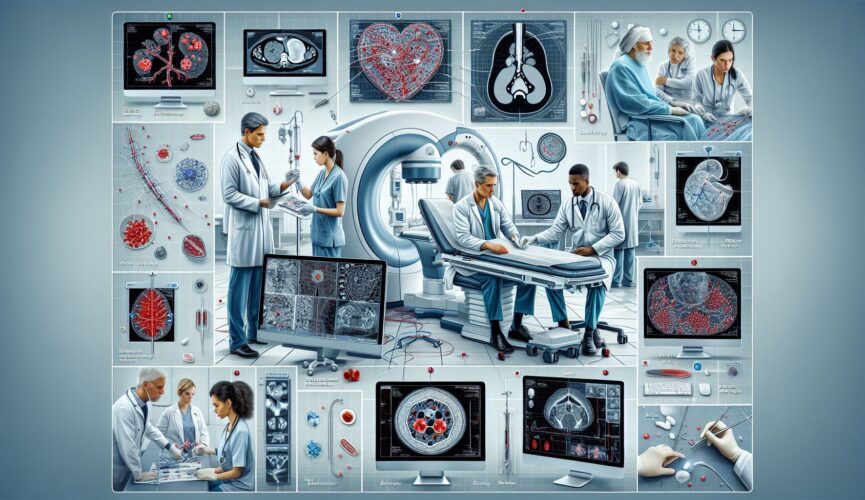
A radiologist is a medical doctor who specializes in interpreting diagnostic images obtained through various imaging techniques such as X-rays, ultrasounds, MRIs, CT scans, and PET scans. These imaging techniques help radiologists visualize internal structures of the body and identify any abnormalities or diseases.

Responsibilities of a Radiologist:

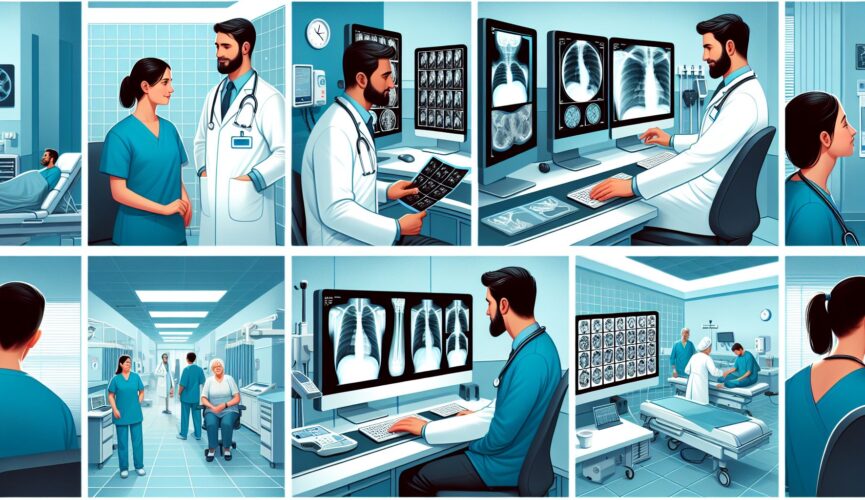
  1. Interpreting Images: One of the primary responsibilities of a radiologist is to interpret diagnostic images accurately. They analyze images to identify any abnormalities, injuries, or diseases that may be present in the body.

  2. Consulting with other Healthcare Professionals: Radiologists often work closely with other healthcare providers, including physicians and surgeons, to discuss imaging findings and develop treatment plans for patients.

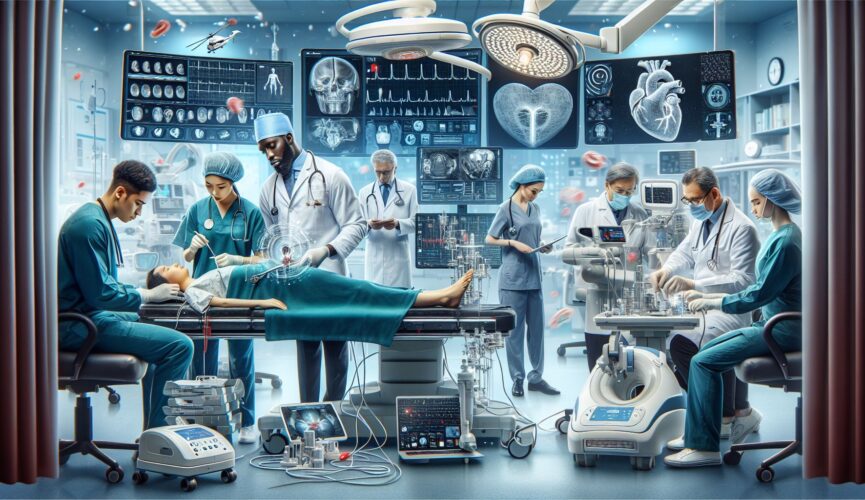
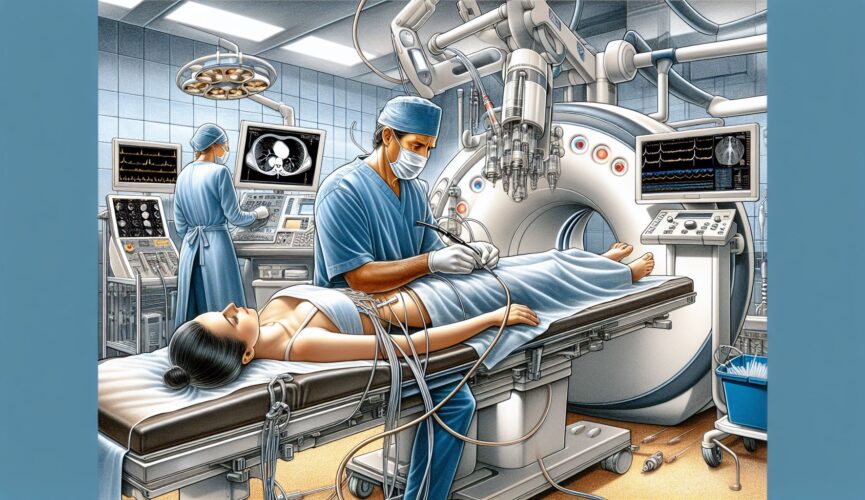
  3. Performing Procedures: In addition to interpreting images, radiologists may also perform various imaging-guided procedures, such as biopsies or drainage procedures, to help diagnose and treat patients.

  4. Radiation Safety: Radiologists are also responsible for ensuring the safety of patients and healthcare workers when using radiation-based imaging techniques. They must follow strict protocols to minimize radiation exposure and ensure the well-being of their patients.

Significance of Radiologists in Healthcare:

Radiologists play a crucial role in the healthcare industry by providing vital information to help diagnose and treat patients effectively. Their expertise in interpreting imaging studies allows for early detection of diseases and accurate assessment of treatment outcomes. By collaborating with other healthcare professionals, radiologists contribute to the overall care and well-being of patients.

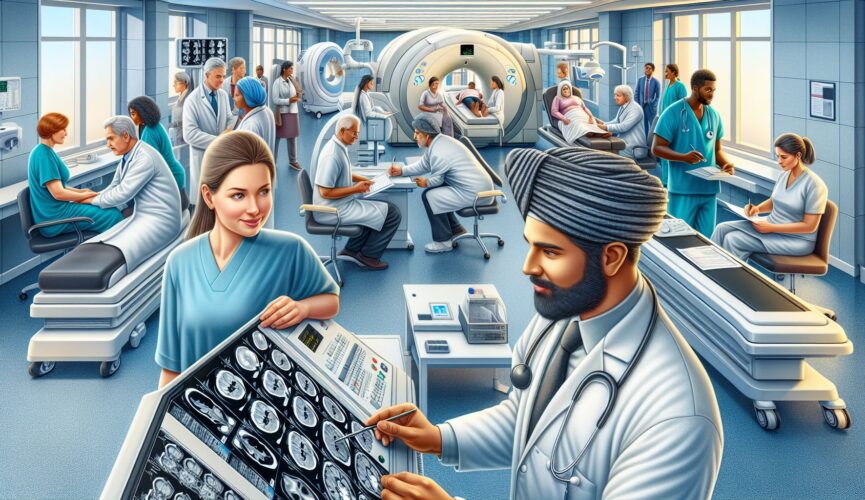
In hospitals, radiologists are an integral part of the healthcare team, working closely with physicians, surgeons, and other specialists to provide comprehensive care to patients. Their interpretation of imaging studies helps guide treatment decisions and ensures that patients receive the most appropriate care tailored to their individual needs.

Becoming a Radiologist:

To become a radiologist, aspiring medical students must complete medical school and a residency program in radiology. During residency, they receive specialized training in various imaging techniques and learn how to interpret diagnostic images effectively. Many radiologists also choose to pursue further subspecialty training in areas such as interventional radiology, neuroradiology, or pediatric radiology to enhance their skills and knowledge.

Conclusion:

In conclusion, radiologists play a crucial role in the healthcare industry by using advanced imaging techniques to diagnose and treat patients effectively. Their expertise in interpreting diagnostic images and collaborating with other healthcare professionals make them valuable members of the healthcare team. As students of medicine, it is essential to appreciate the significance of radiologists in providing quality care to patients and the critical role they play in the overall healthcare system.


Understanding Medical Treatments with Radiology: A Consumer’s Guide

As consumers, we often hear about various medical treatments involving radiology, but understanding how they work and their importance in disease prevention can be overwhelming. Radiology plays a crucial role in diagnosing and treating a wide range of diseases, from cancer to heart conditions. In this article, we will explore how radiology is used in hospitals for disease prevention and treatment, providing you with a better understanding of its significance in healthcare.

Radiology is a branch of medicine that uses imaging techniques such as X-rays, MRI (magnetic resonance imaging), CT scans (computed tomography), and ultrasound to visualize structures inside the body. These imaging techniques help doctors identify and diagnose diseases by providing detailed images of the internal organs and tissues.

In hospitals, radiology plays a vital role in diagnosing diseases at an early stage, allowing for timely intervention and treatment. For example, X-rays are commonly used to detect fractures, lung infections, and arthritis. CT scans are used to identify tumors, blood clots, and other abnormalities in the body. MRI scans are particularly useful for imaging soft tissues, such as muscles and ligaments, making them valuable in diagnosing conditions like torn ligaments or brain tumors.

One of the key benefits of radiology is its non-invasive nature, meaning that it does not require surgery or incisions to visualize the internal structures of the body. This reduces the risk of complications and shortens recovery time for patients. Additionally, radiology allows doctors to monitor the progression of diseases and evaluate the effectiveness of treatment, helping to tailor the care plan to the individual needs of each patient.

In terms of disease prevention, radiology plays a crucial role in screening for diseases before symptoms occur. For instance, mammograms are used to detect breast cancer in its early stages, when it is most treatable. Similarly, colonoscopies are used to screen for colon cancer, which can be detected and treated early through regular screening.

Radiology is also used in interventional procedures, where minimally invasive techniques are used to diagnose and treat diseases. For example, angioplasty is a procedure used to open blocked arteries in the heart, reducing the risk of heart attacks. In this procedure, a catheter with a balloon at the tip is inserted into the blocked artery and inflated to restore blood flow.

As consumers, it is important to be informed about the various medical treatments available for disease prevention and treatment. Radiology plays a crucial role in healthcare, providing doctors with valuable information to diagnose and treat diseases effectively. By understanding how radiology works and its importance in disease prevention, you can make informed decisions about your healthcare and take control of your well-being.

In conclusion, radiology is a powerful tool in healthcare that is used in hospitals for disease prevention, diagnosis, and treatment. By providing detailed images of the internal structures of the body, radiology enables doctors to identify diseases at an early stage and tailor treatment plans to the individual needs of each patient. As consumers, it is essential to be aware of the role of radiology in healthcare and its significance in disease prevention. By staying informed and proactive about your health, you can work with your healthcare providers to make the best decisions for your well-being.

Natural Ways to Treat Cancer: A Guide for Educators

As educators, we are constantly tasked with promoting health and wellness among our students, colleagues, and community. In recent years, there has been a growing interest in natural and holistic approaches to treating cancer, in addition to traditional medical treatments. While hospitals still play a crucial role in cancer care, there are several natural ways that can be incorporated into a comprehensive treatment plan.

One of the most important aspects of treating cancer naturally is focusing on a healthy diet. Consuming a diet rich in fruits, vegetables, whole grains, and lean proteins can help boost the immune system and reduce inflammation in the body. It is also important to limit processed foods, sugary drinks, and red meat, as these can contribute to cancer growth. Additionally, certain foods like turmeric, green tea, and cruciferous vegetables have been shown to have anti-cancer properties and can be beneficial in cancer treatment.

Incorporating regular exercise into your routine is another natural way to help fight cancer. Exercise has been shown to reduce the risk of developing cancer, as well as improve outcomes for cancer patients. It can help increase energy levels, reduce stress, and improve overall quality of life. Whether it’s going for a walk, practicing yoga, or joining a fitness class, finding a form of exercise that you enjoy is key to sticking with it long-term.

Managing stress is also crucial when it comes to natural cancer treatment. Chronic stress has been linked to inflammation in the body, which can promote cancer growth. Finding ways to relax and de-stress, such as practicing mindfulness, meditation, or spending time in nature, can help reduce the impact of stress on your body. It’s important to prioritize self-care and take time for yourself during this challenging time.

In addition to diet, exercise, and stress management, there are several natural therapies that can be beneficial in treating cancer. Acupuncture, massage therapy, and aromatherapy have been shown to help reduce pain, improve sleep, and decrease anxiety in cancer patients. These therapies can be a great complement to traditional cancer treatments, and can help improve overall well-being during treatment.

It’s important to remember that natural cancer treatments should not be used as a substitute for traditional medical treatments. Hospitals are still the primary place for cancer diagnosis, treatment, and monitoring. However, incorporating natural therapies into your treatment plan can help support your body’s healing process and improve your overall quality of life.

In conclusion, natural ways to treat cancer can be a valuable addition to a comprehensive cancer treatment plan. By focusing on a healthy diet, regular exercise, stress management, and incorporating natural therapies, educators can take proactive steps to support their health and well-being during cancer treatment. Remember to consult with your healthcare team before making any changes to your treatment plan, and prioritize self-care and holistic health in your cancer journey.

How a Nutritionist Can Complement Your Medical Treatment Plan

Nutritionist Can Complement Your Medical Treatment

In the landscape of healthcare, a transformational shift is unfolding. Synchronized strategies incorporating medical practitioners and nutritionists are gaining momentum, fortifying a multi-faceted approach to wellness. At the heart of this revolution is food – a powerful ally in disease prevention and recovery.

The Ascendancy of Cohesive Healthcare Approaches

In the past, medical and nutritional advice often operated in isolated spheres. These days, the health industry is waking up to the powerful impact of diet on overall well-being. Nutritionists, with their superhero-level knowledge of how different foods affect the body, are becoming the healthcare squad’s MVPs. This team-up means patients get advice that’s not only medically sound but also nutrition-packed, leading to health outcomes so good, they should come with a cape.

Amplifying Treatment Effectiveness with Customized Nutrition Plans

Just like snowflakes, personalized nutrition plans are unique, crafted to supercharge traditional medical treatments. If you’ve got diabetes, think of it as your culinary sidekick, ensuring your blood sugar stays cool, calm, and collected. Alternatively, cancer patients may need diets bolstering their immune function and mitigating the side effects of their treatments. By syncing up meal plans with med schedules, a nutritionist in Scottsdale, AZ gives the body’s healing powers a power-up, turning treatments into supercharged health potions.

Fact-Based Nutrition: A Vital Tool in Chronic Disease Management

Don’t underestimate the power of munching mindfully. Evidence-based nutrition plays a crucial role in managing chronic diseases. Think of it this way: tackle those dietary factors in conditions like cardiovascular diseases, obesity, and hypertension, and you might just find your health doing a little happy dance. Nutritionists leverage scientifically supported data to curate diets that aid in preventing or managing these conditions. This evidence-driven approach not only aids in current disease management but also plays an instrumental part in preventive healthcare.

Disproving Nutritional Fallacies in Healthcare

Despite growing awareness that nutrition is healthcare’s secret weapon, some myths just refuse to retire. Many downplay diet as a secondary consideration, failing to recognize it as a cornerstone of health. Empirical data, however, continually affirms that balanced nutrition can minimize medication dependency, curtail hospital visits, and augment quality of life. By unveiling the genuine importance of nutrition and busting prevailing myths, healthcare providers can enable individuals to actively participate in managing their health through knowledgeable dietary decisions.

Summation

Integrating a nutritionist into your medical treatment regimen paves the way towards comprehensive health management. It embraces a customized approach, acknowledging the intricate relationship between food and medicine. For those passionate about comprehensive health optimization, grasping and harnessing the harmony between nutrition and medical treatment holds the key to enduring vitality.Should you be curious to explore this cohesive approach, consider arranging a consultation with a nutritionist. They can shed light on how their expertise can enhance your current healthcare strategy. It’s the moment to place nutrition at the heart of your health plan – one meal at a time.

Treatment of various conditions in Interventional Radiology

Interventional Radiology (IR) is a rapidly growing field in medicine that uses advanced imaging techniques to guide minimally invasive procedures to diagnose and treat a wide range of conditions. As a medical professional, it is essential to understand the different conditions that can be treated in interventional radiology.

Introduction

Interventional Radiologists play a crucial role in the management of various medical conditions, offering patients less invasive alternatives to surgery. By using imaging techniques such as X-rays, ultrasound, CT scans, and MRI, interventional radiologists can precisely target the affected area and deliver treatments directly to the source of the problem.

Body

Here are some of the conditions that are commonly treated in interventional radiology:

1. Vascular conditions

Interventional Radiologists are experts in treating vascular conditions such as peripheral arterial disease, deep vein thrombosis, and varicose veins. They can perform minimally invasive procedures such as angioplasty, stenting, and thrombolysis to restore blood flow and alleviate symptoms. By using advanced imaging techniques, interventional radiologists can navigate through the blood vessels with precision, reducing the risk of complications and improving patient outcomes.

2. Liver conditions

Patients with liver tumors, cirrhosis, or portal hypertension can benefit from interventions performed by interventional radiologists. Procedures like transarterial chemoembolization (TACE), radiofrequency ablation (RFA), and portal vein embolization can help to treat liver tumors or alleviate symptoms associated with liver disease. These treatments offer a less invasive approach compared to traditional surgical options, leading to reduced recovery times and improved patient satisfaction.

3. Kidney conditions

Interventional Radiology is also instrumental in the treatment of kidney conditions such as renal artery stenosis, renal artery aneurysm, and renal cell carcinoma. Procedures like renal artery angioplasty, embolization, and cryoablation can help to improve blood flow to the kidneys, treat aneurysms, or destroy cancerous tumors while preserving healthy kidney tissue. Patients undergoing these interventions often experience less pain, shorter hospital stays, and faster recovery times compared to surgery.

4. Cancer treatments

Interventional Radiologists are at the forefront of cancer treatments, offering minimally invasive options for patients with various types of cancer. Procedures such as tumor ablation, chemoembolization, and radioembolization can target tumors directly, delivering high doses of treatment while minimizing damage to surrounding healthy tissues. By working closely with oncologists and other specialists, interventional radiologists can provide personalized treatment plans that are tailored to each patient’s specific needs, improving outcomes and quality of life.

5. Pain management

Patients suffering from chronic pain conditions, such as back pain, arthritis, or nerve compression, can benefit from interventions performed by interventional radiologists. Procedures like nerve blocks, epidural injections, and facet joint injections can help to reduce pain, improve mobility, and enhance overall quality of life. By using imaging guidance, interventional radiologists can precisely target the source of pain, leading to more effective and long-lasting relief for patients.

Conclusion

Interventional Radiology offers a wide range of treatment options for patients with various medical conditions, providing less invasive alternatives to surgery and improving outcomes. By leveraging advanced imaging techniques and innovative procedures, interventional radiologists can deliver precise and effective treatments while minimizing risks and complications. As a medical professional, understanding the different conditions that can be treated in interventional radiology is essential for providing comprehensive care to your patients and collaborating effectively with other specialists in the healthcare team. Stay updated on the latest advancements in interventional radiology to offer the best possible care to your patients.

The Importance of Radiology in Medical Practice

Radiology is a vital branch of medical science that utilizes imaging techniques such as X-rays, ultrasound, computed tomography (CT), magnetic resonance imaging (MRI), and positron emission tomography (PET) to diagnose and treat diseases and conditions. Medical professionals rely on radiology to obtain detailed images of the inside of the body, allowing them to make accurate diagnoses and develop appropriate treatment plans for patients. In this article, we will explore the importance of radiology for medical professionals in providing optimal care to their patients.

Importance of Radiology in Medical Practice

Radiology plays a crucial role in the diagnosis and treatment of a wide range of medical conditions, including fractures, tumors, infections, and internal injuries. By providing detailed images of the body’s structures and organs, radiology helps medical professionals pinpoint the location and extent of a disease or injury, guiding them in making informed decisions about the most effective treatment approach.

For example, when a patient presents with symptoms of a possible bone fracture, a radiologist can perform an X-ray to confirm the diagnosis and assess the severity of the injury. This information is essential for orthopedic surgeons in determining the appropriate course of treatment, whether it involves casting, surgery, or physical therapy.

Similarly, in cancer treatment, radiology plays a critical role in staging the disease and monitoring the effectiveness of therapy. Imaging techniques such as CT scans and MRIs help oncologists identify the size and location of tumors, as well as assess the response to chemotherapy or radiation treatment. This information is invaluable in tailoring the treatment plan to ensure the best possible outcome for the patient.

In addition to diagnosis and treatment, radiology also plays a key role in preventive medicine. Screening mammograms, for example, can detect breast cancer at an early stage when it is most treatable. Regular imaging tests for high-risk individuals, such as smokers or those with a family history of heart disease, can help identify potential health issues before they become serious.

Importance of Radiology Training for Medical Professionals

To effectively utilize radiology in medical practice, healthcare providers must undergo specialized training in interpreting and analyzing imaging studies. Radiology residency programs equip physicians with the skills and knowledge needed to interpret a wide range of imaging modalities and understand the clinical implications of their findings.

Medical professionals who have a thorough understanding of radiology are better equipped to collaborate with radiologists and other specialists in developing comprehensive treatment plans for their patients. They can also communicate effectively with patients, explaining the purpose and potential risks of imaging studies and addressing any concerns or questions they may have.

Furthermore, ongoing education in radiology is essential for staying abreast of advances in imaging technology and techniques. As new imaging modalities and protocols are developed, medical professionals must continue to refine their skills and knowledge to provide the highest quality care to their patients.

Conclusion

In conclusion, radiology is an essential tool for medical professionals in diagnosing and treating a wide range of diseases and conditions. By utilizing imaging techniques such as X-rays, CT scans, MRIs, and PET scans, healthcare providers can obtain detailed images of the body’s structures and organs, guiding them in making accurate diagnoses and developing effective treatment plans.

Through specialized training and ongoing education in radiology, medical professionals can enhance their diagnostic capabilities, improve patient outcomes, and provide optimal care to those in need. By embracing the importance of radiology in medical practice, healthcare providers can better serve their patients and contribute to advancements in the field of medicine.

Understanding Interventional Radiology: Treatments for Various Conditions

When it comes to diagnosing and treating diseases, many people are largely unaware of the role that interventional radiology plays. This specialized field of medicine utilizes imaging techniques to guide minimally invasive procedures for a wide range of conditions. By understanding the various diseases treated in interventional radiology, consumers can better grasp the importance of this innovative approach to healthcare.

Interventional radiology is particularly effective in the treatment of cancer. Radiologists use imaging tools such as X-rays, CT scans, and ultrasound to precisely locate tumors and other abnormal growths within the body. By visualizing these abnormalities in real-time, doctors can perform targeted treatments with less risk and shorter recovery times compared to traditional surgery.

One of the most common conditions treated in interventional radiology is liver cancer. Using techniques such as radiofrequency ablation or chemoembolization, radiologists can deliver high doses of therapy directly to the tumor while sparing healthy surrounding tissue. This targeted approach not only improves outcomes for patients but also reduces the risk of complications.

In addition to liver cancer, interventional radiology is also utilized in the treatment of lung cancer. Procedures such as bronchial artery embolization can help to control bleeding in patients with advanced lung tumors. Similarly, radiofrequency ablation can be used to destroy small lung nodules that are not amenable to surgical removal. By offering minimally invasive options for lung cancer treatment, interventional radiology provides patients with new hope for better outcomes and quality of life.

Another condition commonly treated in interventional radiology is peripheral arterial disease (PAD). This condition involves a narrowing or blockage of the arteries in the arms and legs, leading to decreased blood flow and potential tissue damage. In cases where traditional treatments like medication or lifestyle changes are not effective, interventional radiologists can perform procedures such as angioplasty or stenting to restore blood flow and alleviate symptoms.

Interventional radiology is also effective in the treatment of uterine fibroids, which are noncancerous growths that develop in the walls of the uterus. By using techniques like uterine fibroid embolization, radiologists can block the blood supply to these growths, causing them to shrink and alleviate symptoms such as heavy menstrual bleeding and pelvic pain. This minimally invasive approach to fibroid treatment offers many women a viable alternative to surgery.

In addition to these conditions, interventional radiology is also utilized in the treatment of various vascular disorders, such as deep vein thrombosis (DVT) and pulmonary embolism. By using techniques like catheter-directed thrombolysis, radiologists can break up blood clots and restore normal blood flow in affected vessels. This not only helps to prevent serious complications but also improves patient comfort and quality of life.

In conclusion, interventional radiology plays a crucial role in the diagnosis and treatment of a wide range of conditions, including cancer, peripheral arterial disease, uterine fibroids, and vascular disorders. By utilizing imaging techniques to guide minimally invasive procedures, radiologists can provide targeted therapy with fewer risks and faster recoveries than traditional surgery. For consumers seeking a better understanding of diseases and disease prevention, it is important to recognize the valuable contributions that interventional radiology makes to modern healthcare.

The Life-Saving Impact of Medical Technologies

In the fast-paced world of healthcare, medical professionals rely on a wide range of technologies to provide the best possible care for their patients. From diagnostic tools to treatment options, these innovative technologies play a crucial role in saving lives every day. Let’s take a closer look at some of the most important medical technologies that are helping to improve patient outcomes and enhance the quality of care in hospitals around the world.

Diagnostic Imaging

One of the key advancements in modern medicine is the development of diagnostic imaging technologies. These tools allow healthcare professionals to visualize the internal structures of the body, making it easier to diagnose and treat a wide range of medical conditions. X-rays, MRIs, CT scans, and ultrasounds are just a few examples of the imaging technologies that are used in hospitals every day.

Diagnostic imaging is especially important in the early detection of diseases such as cancer, heart disease, and stroke. By providing detailed images of the body’s tissues and organs, these technologies help doctors identify potential health problems before they become more serious. As a result, patients can receive timely and effective treatment, which can ultimately save lives.

Robotic Surgery

Robotic surgery is another cutting-edge technology that is revolutionizing the field of medicine. With the help of robotic systems, surgeons are able to perform complex procedures with greater precision and control than ever before. This minimally invasive approach offers a number of benefits to patients, including shorter recovery times, reduced risk of complications, and improved surgical outcomes.

In addition to enhancing surgical precision, robotic systems also allow for greater access to hard-to-reach areas of the body. This makes it possible to perform surgeries that may not have been feasible with traditional techniques. As a result, patients who undergo robotic surgery often experience better long-term outcomes and a higher quality of life.

Telemedicine

Telemedicine is a rapidly growing field that is changing the way healthcare is delivered to patients. By using technology to connect doctors and patients remotely, telemedicine is improving access to care for individuals in rural or underserved areas. Through video consultations, remote monitoring, and electronic health records, healthcare providers can now offer high-quality medical services to patients from the comfort of their own homes.

Telemedicine has proven to be especially valuable in emergency situations, where immediate medical attention is crucial. By allowing doctors to assess patients remotely and provide real-time guidance to emergency responders, telemedicine is helping to save lives in critical situations. This technology has the potential to revolutionize the way healthcare is delivered, making it more convenient and accessible for patients around the world.

Artificial Intelligence

Artificial intelligence (AI) is also playing a significant role in the advancement of medical technologies. By using machine learning algorithms, AI systems can analyze vast amounts of patient data to identify patterns and trends that may have gone undetected by human physicians. This allows doctors to make more accurate diagnoses, develop personalized treatment plans, and predict potential health risks in their patients.

In addition to diagnostic support, AI is also being used to enhance the efficiency of healthcare systems. By automating routine tasks and streamlining administrative processes, AI technologies help hospitals operate more effectively and provide better care to their patients. As AI continues to evolve, it has the potential to revolutionize the practice of medicine and improve patient outcomes in ways we have never seen before.

Conclusion

The field of medical technology is constantly evolving, with new innovations being developed every day to improve patient care and save lives. From diagnostic imaging to robotic surgery, telemedicine, and artificial intelligence, these technologies are revolutionizing the way healthcare is delivered around the world. By harnessing the power of these tools, medical professionals are able to provide better treatments, faster diagnoses, and more personalized care to their patients.

As we look to the future of medicine, it is clear that the impact of medical technologies will only continue to grow. By embracing these advancements and incorporating them into their practice, healthcare providers can ensure that they are offering the best possible care to their patients and ultimately saving lives in the process.

Treating Various Conditions with Interventional Radiology

When a loved one is diagnosed with a serious medical condition, it can be a challenging time for both the individual and their family. Fortunately, advancements in medical technology have paved the way for more minimally invasive treatment options, including interventional radiology. For those who are unfamiliar with this specialized field, interventional radiology involves using imaging techniques such as X-rays, ultrasound, and CT scans to guide the delivery of treatment directly to the affected area, without the need for traditional surgery.

One of the most common conditions that can be treated using interventional radiology is cancer. Cancer is a disease that affects millions of people each year, and treatment options can vary depending on the type and stage of the cancer. In some cases, interventional radiology techniques can be used to deliver targeted therapies directly to the tumor, minimizing damage to surrounding healthy tissue and reducing side effects.

For example, in the case of liver cancer, a procedure called transarterial chemoembolization (TACE) can be performed by interventional radiologists. During this procedure, chemotherapy drugs are injected directly into the blood vessels that supply the tumor, followed by the injection of tiny particles that block the blood flow to the tumor. This allows for a higher concentration of the chemotherapy drugs to reach the tumor, leading to more effective treatment.

Interventional radiology can also be used to treat conditions such as vascular disease, uterine fibroids, and even chronic pain. In the case of vascular disease, procedures such as angioplasty and stenting can be performed to open up blocked blood vessels and improve blood flow to the affected area. For uterine fibroids, a condition that affects many women of childbearing age, a procedure called uterine fibroid embolization (UFE) can be performed to shrink the fibroids and alleviate symptoms such as heavy menstrual bleeding and pelvic pain.

When it comes to chronic pain, interventional radiology techniques such as nerve blocks and spinal injections can be used to target the source of the pain and provide relief. These procedures are often performed on an outpatient basis, allowing patients to return to their normal activities shortly after treatment.

It is important for families and caregivers to educate themselves about the various treatment options available for their loved ones. By understanding the role of interventional radiology in the treatment of various medical conditions, families can make informed decisions about their loved one’s care and advocate for the most appropriate treatment plan.

Caring for a sick family member can be emotionally and physically draining, but knowing that there are advanced treatment options available can provide a sense of hope and comfort. By working closely with a team of healthcare professionals, including interventional radiologists, families can ensure that their loved ones receive the best possible care and support throughout their treatment journey.

In conclusion, interventional radiology plays a crucial role in the treatment of a wide range of medical conditions, including cancer, vascular disease, uterine fibroids, and chronic pain. By utilizing minimally invasive techniques guided by imaging technology, interventional radiologists can deliver targeted therapies directly to the affected area, reducing the need for traditional surgery and minimizing side effects. For families with sick loved ones, understanding the role of interventional radiology in their care can help them make informed decisions and provide the best possible support during this challenging time.

The Life-Saving Power of Medical Technologies

Having a sick family member can be an incredibly difficult and stressful experience. Watching them struggle with their health can leave you feeling helpless and desperate for a solution. However, thanks to advancements in medical technology, there are now innovative treatments and tools available that have the power to save lives and improve the quality of life for those suffering from various illnesses.

One of the most significant benefits of medical technology is its ability to diagnose diseases and conditions quickly and accurately. In the past, diagnosing certain illnesses could take weeks or even months, and in some cases, it could be too late. With the invention of advanced imaging techniques such as MRI, CT scans, and ultrasounds, doctors are now able to identify health issues in a matter of minutes. This early detection allows for faster treatment and can greatly improve the chances of recovery.

Another life-saving medical technology is the development of minimally invasive surgical procedures. In the past, surgeries were often risky and required long recovery times. However, with the introduction of laparoscopic and robotic-assisted surgeries, doctors can now perform complex procedures with smaller incisions and less trauma to the body. This means less pain for the patient, reduced risk of infection, and quicker recovery times. In some cases, minimally invasive surgeries have enabled patients to go home the same day as their procedure.

Medical technologies have also revolutionized the way chronic conditions are managed. For example, patients with diabetes can now use continuous glucose monitors to track their blood sugar levels in real-time and make adjustments to their insulin dosage accordingly. This not only improves their quality of life but also reduces the risk of complications such as diabetic ketoacidosis and nerve damage.

In addition to diagnosing and treating illnesses, medical technologies are also invaluable in monitoring patients’ health and providing timely interventions. For instance, wearable devices such as smartwatches and fitness trackers can track a person’s heart rate, respiratory rate, and activity levels, alerting them and their healthcare provider to any abnormalities. This continuous monitoring can be especially beneficial for individuals with heart conditions, respiratory issues, or other chronic illnesses.

Furthermore, advancements in telemedicine have made it easier for patients to access healthcare services from the comfort of their own homes. Through video calls and online consultations, patients can receive medical advice, prescriptions, and even therapy without having to leave their beds. This technology has been particularly critical during the COVID-19 pandemic when in-person visits to hospitals and clinics were limited.

In conclusion, medical technologies have transformed the way we diagnose, treat, and manage illnesses, saving countless lives in the process. From early disease detection to minimally invasive surgeries to remote monitoring, these innovations have revolutionized healthcare and improved outcomes for patients around the world. If you have a sick family member, rest assured that they are in good hands with the advancements in medical technology at their disposal. Together, we can continue to make strides in the field of medicine and ensure that every patient receives the care they need to live a long and healthy life.

Navigation