Author: Darren West

5 Tips to Highlight Interconnection Between Hair & Health Care

Hair Highlight

Long, luscious, and thick locks can make you feel confident and elevate your look. But, did you know that there is an intrinsic link between hair and health care? When your body is healthy and not deprived of any nutrients and you have ample physical activity in your schedule, the positive outcome reflects on your hair health and quality. Similarly, hair health is also related to your overall health, every barber in Downtown Denver will tell you the same. Join us, as we explore the nitty-gritty connection between hair and your overall well-being.

Top 5 Ways By Which Hair and Health Care Are Related

1. Self-Confidence

Undoubtedly, self-confidence is crucial for leading a healthy, joyful, and rewarding life. The state of one’s hair plays a significant role in determining our confidence levels and self-perception. Premature balding or graying of hair often leads to diminished self-esteem for many individuals.

Similarly, we can also see that booking an appointment with a salon for a hair spa or a haircut can immediately revive your confidence and make you feel like a superstar. So, in other order, healthy hair and confidence are directly proportional. 

When your hair looks and feels good and is devoid of graying or breakage, you feel confident. And, confidence is directly connected to overall well-being. 

2. Exercise Facilitates Healthy Hair

Physical activities promote blood circulation, which, in turn, stimulates oxygen and nutrient flow into your hair follicles. The culmination is that your locks are healthy, happy, and look amazing. And, quite understandably, physical activities are essential for your overall well-being too.

3. Certain Health Supplements Are Beneficial for Your Hair 

Thirdly, collagen is an essential component for strong, healthy, and thick hair. It is also essential for skin and bone health. Collagen contains proteins and amino acids needed to produce keratin – the protein that makes up your hair and nails. 

So, with the consumption of omega-3 supplements, or fatty acid-rich fish like salmon, you can see improvements in your hair. 

4. Strength Training and Yoga Have Impact on Both Hair Health and Your Overall Well-Being

Yoga is a low-impact exercise that reduces stress and enhances relaxation and mood. Stress is a pertinent contributor to hair loss and premature graying. So, when you fight stress through yoga, then the prospects of premature graying automatically reduce.

Similarly, strength training has multiple benefits. It helps improve metabolism, manage weight, and protect your joints from injury. However, what some people do not know is that strength training has benefits for hair. For instance, resistance training can increase testosterone levels in your body, which facilitates hair growth and quality.

5. A Well-Balanced Diet is Essential to Maintain Overall Well-Being and Hair Health

As well all know, a balanced diet consisting of whole grains, proteins, healthy fats, vitamin D, zinc, folate, vitamin B12, vitamin A, etc is not just important for your body’s well-being, they are crucial to maintain your long luscious locks too.
Medical Technologies That Revolutionize Life-saving Strategies

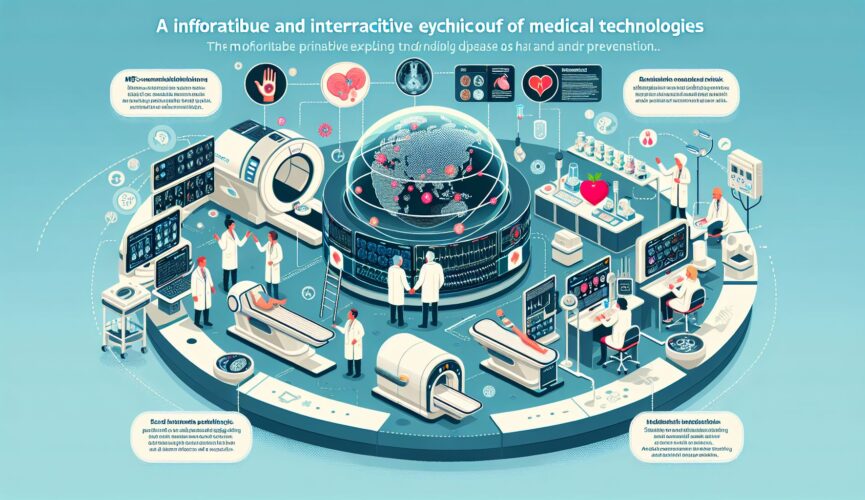
In today’s fast-paced world, medical technologies continue to play a pivotal role in saving lives and improving health outcomes. With advancements in healthcare, diseases and their prevention have become more manageable. In this article, we will explore some groundbreaking medical technologies that have transformed the landscape of disease management and prevention.

Introduction: Advancing Healthcare through Innovation

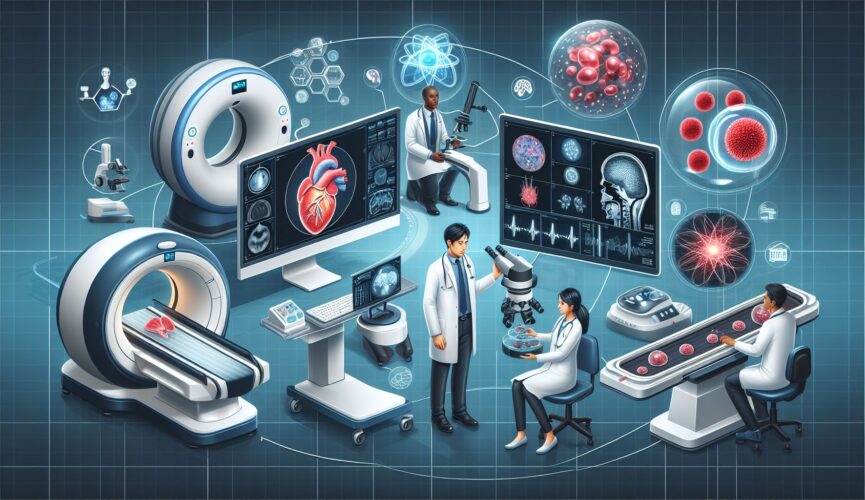
Medical technologies have ushered in a new era of healthcare, enabling healthcare professionals to diagnose, treat, and prevent diseases more effectively. These cutting-edge technologies not only save lives but also enhance the quality of life for individuals worldwide. Let’s delve into some of the most notable medical technologies reshaping the future of medicine.

Wearable Devices: Your Health at Your Fingertips

Wearable devices have become increasingly popular in recent years, transcending their initial purpose as fitness trackers. Today, these versatile tools allow individuals to monitor vital health information, providing early detection and intervention opportunities. From smartwatches to fitness bands, these devices can measure heart rate, track physical activity, and even offer electrocardiogram (ECG) readings.

By monitoring health data, wearable devices empower individuals to take proactive measures in maintaining their well-being. Potential health risks such as irregular heart rhythms can be identified early, enabling timely medical intervention. These devices have the potential to save countless lives by preventing cardiac events and other critical health issues.

Telemedicine: Bridging Gaps in Healthcare Access

Telemedicine has emerged as a game-changer in healthcare, particularly in remote or underserved areas. This technology enables patients to consult with healthcare providers remotely through video calls, ensuring access to medical expertise regardless of location. Telemedicine allows for timely diagnosis, prescription renewals, and specialist referrals, reducing the burden on overburdened healthcare systems.

Moreover, telemedicine offers a lifeline to individuals with limited mobility or those living in rural areas lacking local medical facilities. This technology has proven instrumental in triaging emergency situations, leading to better outcomes and potentially saving lives by facilitating prompt medical attention. Telemedicine exemplifies how medical technologies transcend geographical barriers, giving everyone access to crucial healthcare services.

Artificial Intelligence: Revolutionizing Diagnosis and Treatment

At the forefront of medical technology advancement, artificial intelligence (AI) has demonstrated immense potential in revolutionizing disease diagnosis and treatment. By analyzing vast amounts of patient data and patterns, AI algorithms help healthcare professionals identify ailments faster and with higher accuracy. This transformative technology equips medical experts with valuable tools for early detection and individualized treatment plans.

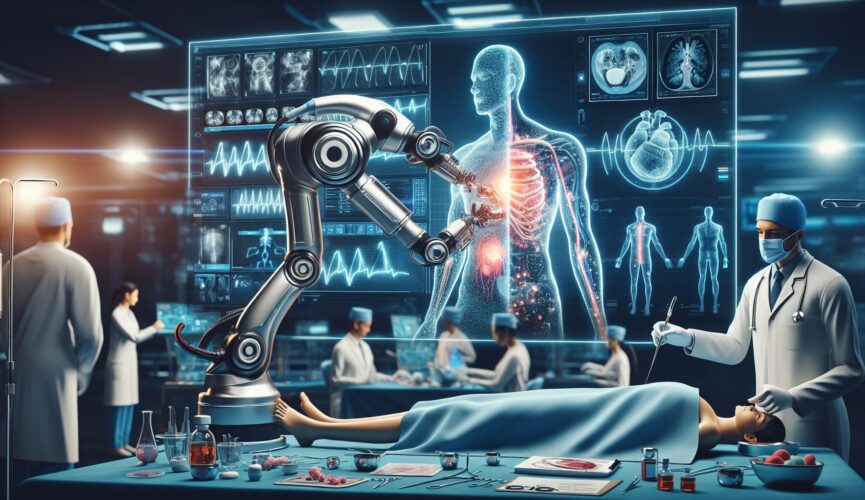
Furthermore, AI-assisted robotic surgeries have boosted precision, reducing the risk of complications during complex procedures. Surgeons can now utilize robotic systems to perform intricate surgeries, enhancing both patient safety and surgical outcomes. This groundbreaking fusion of AI and robotics has paved the way for less invasive surgeries and faster patient recovery times.

Disease Tracking: Early Warnings for Public Health

Medical technologies have also contributed significantly to disease tracking and prevention at a population level. Sophisticated systems that leverage artificial intelligence and big data analytics can monitor trends, detect disease outbreaks, and track the spread of infectious diseases. By identifying hotspots and predicting potential outbreaks, healthcare authorities can take proactive measures to contain the spread, saving countless lives.

For instance, during the COVID-19 pandemic, contact tracing applications proved instrumental in identifying and isolating potential carriers. This technology enabled health authorities to implement targeted interventions and safeguard communities from widespread infections. Disease tracking technologies empower governments and healthcare professionals to respond swiftly and effectively, mitigating the impact of epidemics.

Conclusion: Empowering Healthcare through Technology

Medical technologies continue to revolutionize healthcare, offering life-saving strategies and transforming disease prevention. From wearable devices that empower individuals to take control of their health to AI-assisted diagnostics and treatment, these advancements have paved the way for personalized, effective care. Moreover, telemedicine has bridged the gaps in healthcare access, ensuring that quality medical expertise is within reach for all.

As medical technologies continue to evolve, so does our ability to mitigate disease risks and save lives. By embracing and furthering these innovations, we can revolutionize healthcare, providing a brighter future for individuals worldwide. Let us harness the power of medical technologies to build a healthier, more resilient world.

Medical Technologies That Save Lives: Understanding Diseases and Disease Prevention

In today’s rapidly advancing world, medical technologies have revolutionized the healthcare industry, saving countless lives and improving patient outcomes. From diagnostic tools to innovative treatments, these technologies have become vital assets in understanding diseases and preventing their progression. In this article, we will explore some of the most remarkable medical technologies that are making a significant impact on disease prevention and management.

Introduction

Diseases, both chronic and acute, have long been a challenge for humanity. Understanding the mechanisms behind diseases and finding effective ways to prevent and treat them has been a top priority for healthcare professionals. The advent of medical technologies has provided immense opportunities to accurately diagnose diseases earlier, provide individualized treatment plans, and ultimately save lives. Let us delve into some of these lifesaving technologies and their impact on disease prevention.

Body

1. Genetic Testing

Genetic testing has emerged as a powerful tool in identifying individuals with a higher predisposition to inheritable diseases. By analyzing an individual’s DNA, these tests can detect alterations in specific genes associated with inherited conditions such as cystic fibrosis, breast cancer, or sickle cell anemia. This knowledge allows individuals to take proactive steps, such as lifestyle modifications or preventive surgeries, to reduce the risk of disease development.

2. Telemedicine

Telemedicine has transformed the way healthcare is delivered, particularly in remote areas with limited access to medical facilities. With the help of telecommunication technologies, healthcare professionals can now provide remote consultation, diagnosis, and even monitor patients’ conditions from a distance. Timely consultations enable patients to receive appropriate treatment promptly, preventing diseases from progressing to critical stages.

3. Wearable Devices

Wearable devices have gained significant popularity in recent years, and their potential application in disease prevention should not be overlooked. These devices, like smartwatches or fitness trackers, can continuously monitor various biological parameters, such as heart rate, blood pressure, or sleep patterns. By tracking vital signs and providing real-time feedback, wearable devices empower individuals to adopt healthier lifestyles, identify early warning signs of potential diseases, and seek medical attention proactively.

4. Artificial Intelligence (AI)

Artificial Intelligence has rapidly become a game-changer in healthcare by assisting in disease diagnosis and prevention. AI algorithms can analyze vast amounts of patient data and identify patterns that might go unnoticed by human clinicians. Machine learning algorithms can predict disease outcomes, detect anomalies in medical images, and help develop personalized treatment plans. Incorporating AI into medical technologies allows for more accurate and timely diagnosis, ultimately improving patient outcomes.

5. Robotic Assisted Surgery

Robotics-assisted surgery has brought unmatched precision and efficiency to the operating room. Surgeons can now perform complex procedures using robotic systems, which offer enhanced dexterity and visualization. These technologies enable minimally invasive procedures, resulting in reduced patient trauma, faster recovery times, and decreased risk of complications. Robotic-assisted surgery also allows surgeons to access hard-to-reach areas with greater precision, expanding the possibilities for disease eradication.

6. Nanotechnology

Nanotechnology, as an interdisciplinary field, offers immense potential in combating various diseases. Through the precise manipulation of materials at the nanoscale level, novel treatments and diagnostics can be developed. Nanotechnology-based drug delivery systems, for instance, increase the targeted delivery of medications to affected tissues, minimizing side effects on healthy cells. Additionally, nanoparticle-based diagnostic tools can detect diseases at an early stage, enabling prompt intervention and timely treatment.

Conclusion

Medical technologies have undoubtedly transformed the landscape of disease prevention and management. From genetic testing to robotic-assisted surgeries, each innovation provides unique opportunities to save lives, improve patient outcomes, and prevent disease progression. As science and technology continue to advance, the synergy between healthcare and technology holds tremendous potential for enhancing disease prevention measures. By embracing these lifesaving techniques and introducing advancements, medical professionals are changing the face of healthcare, providing hope for a healthier and disease-free future.

Remember, understanding diseases and preventing their progression is a collective effort that involves healthcare providers, technology developers, and individuals. By staying informed about the latest medical technologies and actively participating in disease prevention, we can all play a role in ensuring a healthier and brighter tomorrow.

Medical Technologies that Save Lives: Revolutionizing Disease Prevention

The field of medicine has come a long way, revolutionizing the way diseases are diagnosed, treated, and prevented. In recent years, medical technologies have played a crucial role in saving lives and improving the overall well-being of individuals. From advancements in diagnostic tools to personalized treatment options, healthcare professionals now have a multitude of powerful tools at their disposal. In this article, we will explore some of the remarkable medical technologies that have had a significant impact on disease prevention.

Detecting Diseases at an Early Stage

Early detection is often a critical factor in successfully treating diseases. Fortunately, medical technologies have made remarkable strides in this area. Screening tests, such as mammograms and colonoscopies, have become more accurate and widely accessible, enabling the detection of conditions like breast and colon cancer at their earliest stages. The advent of molecular diagnostics has allowed for more precise and rapid identification of infectious diseases, genetic disorders, and certain cancers. By catching diseases in their infancy, healthcare professionals can intervene promptly, significantly increasing the chances of successful treatment.

Advancements in Imaging Techniques

Another area where medical technologies have flourished is in diagnostic imaging. Today, healthcare providers have access to a range of tools that allow them to visualize internal structures with unprecedented clarity. Magnetic Resonance Imaging (MRI) and Computed Tomography (CT) scans provide detailed cross-sectional images of the body, aiding in the diagnosis of conditions like tumors, internal bleeding, and organ abnormalities. Ultrasound imaging has emerged as a safer alternative for monitoring pregnancies, offering invaluable insights into the health and development of the fetus. These imaging techniques not only save lives by detecting diseases earlier but also guide medical interventions, reducing the need for invasive procedures.

Harnessing the Power of Artificial Intelligence

Artificial Intelligence (AI) has made substantial contributions to the field of medicine. By analyzing vast amounts of data and spotting patterns that may not be apparent to the human eye, AI algorithms have proved instrumental in disease prevention and management. The ability of AI to recognize deviations from the norm has led to the early detection of conditions like diabetic retinopathy and certain skin cancers. Moreover, machine learning algorithms can anticipate disease outcomes by assessing a patient’s medical history, genetic profile, and environmental factors, enabling healthcare providers to intervene, prevent complications, and improve patient outcomes. AI’s potential to transform medicine is continually expanding, and its integration with medical technologies continues to save lives.

Precision Medicine: Tailoring Treatment to Individuals

Traditionally, healthcare has been based on a one-size-fits-all approach, with treatments often generalized for large groups of patients. However, medical technologies have paved the way for precision medicine, an approach that considers an individual’s unique genetic makeup, lifestyle, and environmental factors to tailor treatment plans. Pharmacogenomics, for instance, leverages genetic testing to predict how patients may respond to specific medications. This knowledge allows healthcare providers to prescribe the most effective drugs while minimizing adverse reactions. By personalizing treatment options, medical technologies have transformed disease prevention, ensuring that patients receive the most appropriate care for their individual needs.

Enhancing Patient Engagement and Education

Technological advancements have not only improved disease prevention but have also empowered individuals to take an active role in managing their health. From wearable devices that track heart rate and physical activity to smartphone applications that enable patients to monitor their blood glucose levels, medical technologies facilitate data-driven insights that enhance patient engagement. By actively participating in their own healthcare, individuals can make informed decisions and proactively take steps to prevent diseases. Furthermore, e-learning platforms and telemedicine have emerged as valuable resources for educating patients remotely and facilitating better access to healthcare services in underserved areas.

Conclusion

Medical technologies have revolutionized disease prevention, enabling early detection, personalized treatment, and active patient engagement. From breakthroughs in diagnostic imaging and the application of AI in healthcare to the advent of precision medicine, these technologies continue to save lives and transform the field of medicine. As technology evolves, the potential for further advancements in disease prevention is virtually limitless. By embracing these innovative tools, healthcare professionals can maximize patient outcomes, reduce the burden of diseases, and ultimately improve the overall well-being of individuals around the world.

The Lifesaving Power of Medical Technologies

In today’s rapidly advancing world, medical technologies play a crucial role in preventing, diagnosing, and treating diseases. From the simple stethoscope to cutting-edge genetic mapping, these innovations have revolutionized healthcare, saving countless lives and improving patient outcomes. For consumers eager to understand diseases and disease prevention, it is important to explore the incredible potential of medical technologies and their contributions to our well-being. In this article, we will delve into some of the most remarkable medical technologies that are saving lives every day.

The Impact of Diagnostic Imaging

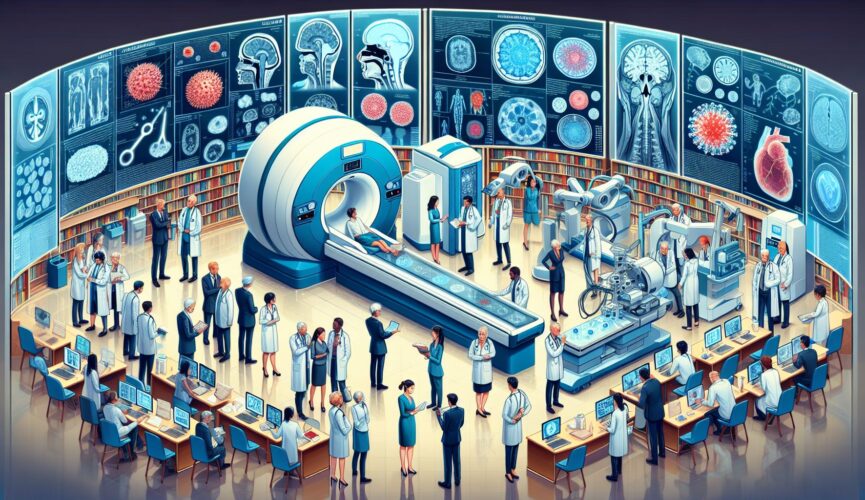
One of the most invaluable medical technologies is diagnostic imaging. Utilizing various techniques such as X-rays, computed tomography (CT), magnetic resonance imaging (MRI), and ultrasound, healthcare professionals can visualize the internal structures of our bodies with great precision. Diagnostic imaging aids in the detection and prognosis of many diseases, including cancer, heart conditions, and neurological disorders, facilitating early intervention and significantly increasing survival rates.

In recent years, there have been significant advancements in imaging technologies. For instance, MRI machines today produce clearer and more detailed images, allowing healthcare providers to pinpoint abnormalities and plan appropriate treatments. Similarly, CT scans have become faster and safer, exposing patients to lower levels of radiation. With ongoing research and development, we can expect diagnostic imaging to continue saving lives by detecting diseases earlier and more accurately.

Robotic Surgery: Precision and Minimal Invasiveness

Another groundbreaking medical technology that has revolutionized healthcare is robotic surgery. Powered by robotic systems, surgeons can perform complex procedures with unmatched precision, control, and visibility. This technology allows for smaller incisions, reducing trauma, pain, and recovery time for patients. With enhanced magnification and dexterity, robotic surgery minimizes the risk of complications and maximizes the success of operations.

Moreover, surgical robots can access hard-to-reach areas, enabling surgeons to perform intricate procedures that were previously deemed impossible. For instance, surgeons can remove tumors deep within the brain or precisely mend delicate cardiac structures. With each successful robotic surgery, lives are saved, and patients can regain their health more quickly.

Telemedicine: Breaking Barriers to Healthcare

Telemedicine has emerged as a game-changing medical technology, bridging the gap between patients and healthcare providers, especially in remote or underserved areas. By leveraging communication and information technologies, patients can consult doctors and receive medical advice in real-time, regardless of their physical location. Telemedicine not only saves lives by allowing immediate access to healthcare professionals but also saves time and money by avoiding unnecessary hospital visits.

Moreover, telemedicine can play a vital role in disease prevention and management. By monitoring chronic conditions remotely, healthcare providers can detect changes in patients’ health and intervene promptly. Diabetes management, for example, can be improved through telemedicine platforms that allow patients to share their blood glucose levels with their healthcare team. Early intervention based on real-time data can prevent life-threatening complications and improve patients’ quality of life.

Advancements in Genetic Testing

Over the past few decades, genetic testing has emerged as a critical tool in diagnosing diseases and predicting an individual’s predisposition to certain conditions. By analyzing an individual’s DNA, healthcare professionals can identify genetic mutations linked to various diseases, allowing for customized treatments and targeted disease prevention strategies. Genetic testing has enabled proactive interventions for conditions such as breast cancer, hereditary heart diseases, and familial Alzheimer’s disease.

With the advent of next-generation sequencing technologies, genetic testing has become faster, more accurate, and increasingly affordable. As a result, it is now more accessible to the general population. The widespread availability of genetic testing empowers individuals to take control of their health and make informed decisions about disease prevention, leading to reduced morbidity and mortality rates.

Conclusion

In an era of remarkable medical advancements, it is essential to recognize the lifesaving capabilities of medical technologies. Diagnostic imaging, robotic surgery, telemedicine, and genetic testing are just a few examples of how these innovations are improving healthcare outcomes and saving lives. By understanding these medical technologies, consumers can actively participate in disease prevention and make well-informed decisions about their health.

As technology continues to progress, we can expect even more groundbreaking medical technologies to emerge. From artificial intelligence-assisted diagnostics to personalized medicine based on genomic data, the future promises even greater potential for disease prevention, early detection, and effective treatments. By embracing and supporting medical technologies, we can collectively contribute to a healthier and brighter future for all.

Medical Technologies That Save Lives: Understanding Diseases and Disease Prevention

In today’s rapidly advancing world, medical technologies have transformed the way we understand diseases and work towards disease prevention. These innovative tools and techniques have not only revolutionized healthcare practices but also saved countless lives. From early detection to accurate diagnosis, medical technologies play a pivotal role in improving patient outcomes and ensuring a healthy future for all. In this article, we will explore some of the remarkable medical technologies that have made a significant impact on disease prevention and understanding.

Early Detection: A Game-Changer

Early detection of diseases can be a game-changer, enabling healthcare professionals to intervene at the earliest stages when treatment is most effective. Medical technologies have empowered us to detect diseases sooner, often before any noticeable symptoms appear. Among the most notable advancements in this area is the development of genomic sequencing.

Genomic sequencing allows scientists to examine an individual’s genetic information in its entirety, providing unprecedented insights into the genetic factors that contribute to various diseases. By identifying specific genetic markers associated with diseases, healthcare professionals can detect potential risks early on. This knowledge not only facilitates preventive measures but also enables personalized treatment plans tailored to an individual’s genetic makeup, significantly improving patient outcomes.

Diagnostic Advancements: Precision and Accuracy

Accurate diagnosis is crucial for effective disease management. Medical technologies have greatly enhanced diagnostic capabilities, enabling healthcare professionals to make precise and timely diagnoses. One such innovation that has transformed the field is medical imaging.

Medical imaging techniques, such as Magnetic Resonance Imaging (MRI), Computed Tomography (CT), and Positron Emission Tomography (PET), provide detailed visualizations of the internal structures and functioning of the human body. These non-invasive, painless procedures help identify abnormalities, tumors, and other conditions that might otherwise go undetected. By allowing doctors to visualize the affected areas with great precision, medical imaging technologies aid in accurate diagnosis, enabling prompt initiation of appropriate treatment plans.

Remote Patient Monitoring: Empowering Self-Care

Traditionally, patients had limited access to healthcare professionals outside of clinical settings. However, with the advent of remote patient monitoring technologies, individuals now have the power to take control of their health. These technologies enable patients to track vital signs, monitor symptoms, and share real-time data with their healthcare providers, regardless of geographical barriers.

Devices like wearable fitness trackers and smartwatches can monitor heart rate, blood pressure, sleep patterns, and even detect irregularities. Such data, when shared with healthcare professionals, allows for closer monitoring and prompt intervention in case of any concerning changes. Remote patient monitoring not only empowers individuals to actively participate in their healthcare journey but also offers healthcare providers valuable insights, leading to more informed decision-making and better disease prevention strategies.

Precision Medicine: Targeted Therapies

Thanks to medical technologies, we have moved towards an era of precision medicine – an approach that tailors treatment plans to individual patients based on their unique characteristics. With a deeper understanding of diseases at the molecular level, healthcare professionals can target specific genes, proteins, or cellular pathways responsible for the development and progression of various illnesses.

Advancements in molecular diagnostics have enabled the identification of biomarkers that play a crucial role in disease diagnosis, prognosis, and treatment response. For instance, the development of targeted therapies for cancer, such as immunotherapies and gene therapies, has shown promising results in improving patient outcomes. By precisely targeting the underlying causes of diseases, medical technologies are paving the way for more effective treatments while minimizing side effects.

Conclusion: A Promising Future

As medical technologies continue to evolve, our understanding of diseases and disease prevention has reached new heights. Early detection, accurate diagnosis, remote patient monitoring, and precision medicine have all contributed to saving countless lives and improving patient outcomes. In the years to come, we can expect further advancements in medical technologies to drive major breakthroughs in disease prevention and treatment.

Nevertheless, it is essential to ensure equitable access to these technologies, especially in underserved communities, to eliminate healthcare disparities. By harnessing the power of medical technologies, we can strive towards a future where diseases are detected and prevented at their earliest stages, enabling everyone to live healthier, happier lives.

So let us remain committed to supporting research and development efforts in the field of medical technologies, as together, we can continue to push the boundaries of healthcare and safeguard the wellbeing of generations to come.

How to Simplify Complex Medical Topics in Your Content

How to Simplify Complex Medical Topics in Your Content

Medicine can present challenges and complexities for many individuals. The intricate terminology, bewildering jargon, and ever-evolving research can hinder effective understanding and communication. However, there is no need for concern, esteemed content creator! By employing a blend of creativity and medical expertise, you can impart clarity to intricate medical subjects in your content, rendering it accessible to a broader audience.

Let us commence with the fundamentals. Initially, acquaint yourself with your intended audience. Are you addressing medical professionals or the general public? This determination will influence the level of intricacy and depth you can incorporate into your content. For instance, when writing for healthcare professionals, employing technical terms and assuming a certain degree of medical knowledge is permissible. Conversely, when targeting the general public, it becomes vital to elucidate complex concepts and employ simpler language that can be comprehended by all.

Furthermore, it is imperative to remain abreast of the latest research and advancements in the medical field. This not only instills credibility into your content but also ensures the provision of accurate information. However, exercise caution when simplifying intricate medical subjects, as it is crucial to adhere to facts and refrain from oversimplification or misrepresentation.

An effective method to simplify intricate medical topics is through the use of analogies and metaphors. These literary devices facilitate the comprehension of challenging concepts by drawing comparisons to more relatable elements. For example, describing cancer cells as “rogue fighters” or the immune system as “a fortress safeguarding our body.”

Another valuable tip is to disassemble information into manageable portions. Lengthy paragraphs saturated with medical jargon can overwhelm and bewilder readers. Instead, employ bullet points, numbered lists, and headings to organize your content, rendering it easier to assimilate.

In addition to simplifying intricate medical topics, it is essential to infuse your content with engagement and entertainment. Medicine need not always be portrayed as serious and monotonous. Injecting humor, personal anecdotes, or even pop culture references can captivate and entertain readers.

Lastly, do not shy away from utilizing visuals to enrich your content. Graphs, charts, diagrams, and illustrations can elucidate complex concepts in a more accessible manner. Moreover, they enhance visual appeal and break up extensive blocks of text.

In conclusion, do not hesitate to seek assistance from experts in content marketing in Phoenix, AZ, to facilitate the simplification of complex medical subjects in your content. With a dash of creativity and strategic simplification, even the most intricate medical information can be rendered accessible and engaging to all readers. With the appropriate guidance, you can conquer the formidable realm of medicine and craft content that informs, entertains, and enlightens. Therefore, forge ahead, esteemed content creator, and embark on the quest for simplification. Your audience will undoubtedly express their gratitude.

As an additional tip, it is crucial not to underestimate your audience. While simplifying complex medical topics is essential, avoid oversimplification. Assume that your audience is intelligent and capable of comprehending advanced concepts with proper guidance. Utilize relatable examples and clear explanations while also encouraging your readers to think critically and engage with the content at a deeper level.

Read More: The Importance of Mental Health in Achieving a Healthy Lifestyle

The Life-Saving Power of Medical Technologies: Understanding Diseases and Prevention

Imagine a world without medical technologies that save lives. A place where diseases and illnesses were left unchecked, and hope for a healthy future was uncertain. Fortunately, advancements in healthcare have revolutionized the way we understand diseases and prevent them. From diagnostic tools to innovative treatments, these medical technologies have become indispensable assets in maintaining our well-being. In this article, we will explore some of these life-saving technologies and how they have shaped the landscape of modern medicine.

The Power of Diagnostic Imaging

One of the crucial aspects of disease prevention and treatment lies in early detection. With the advent of diagnostic imaging technologies, such as X-rays, CT scans, and magnetic resonance imaging (MRI), medical professionals can now visualize the internal structures of our bodies with utmost precision. These non-invasive procedures have revolutionized the way doctors identify diseases and make informed decisions about treatments.

For instance, a routine chest X-ray can help detect lung cancer at its earliest stages, when it is most treatable. Similarly, an MRI can provide detailed images of the brain, enabling neurologists to diagnose conditions like tumors, strokes, and multiple sclerosis. These technologies have not only saved countless lives but have also minimized invasive procedures, reducing patient discomfort and recovery time.

Breakthroughs in Genetic Testing

Our genes hold remarkable information about our inherited traits, as well as potential vulnerabilities to certain diseases. Thanks to genetic testing, medical professionals can now analyze our DNA for any genetic variations or mutations that may increase our risk of developing specific conditions. This innovative field of medicine, known as genomics, has opened doors to proactive disease prevention and personalized treatments.

By identifying genetic markers associated with diseases such as breast cancer, Alzheimer’s, or cystic fibrosis, individuals can be better informed about their risk factors and take appropriate preventive measures. Additionally, genetic testing plays a crucial role in prenatal care, helping expecting parents identify any potential genetic abnormalities in their unborn child. Armed with this knowledge, healthcare providers can devise tailored plans of action to ensure the best possible outcomes for both mother and child.

Remote Patient Monitoring

In an increasingly interconnected world, medical technologies have also ventured into the realm of remote patient monitoring. This innovative approach allows healthcare professionals to keep a close eye on patients, even when they are not physically present in a hospital or clinic setting. By utilizing wearable devices, patients can monitor their vital signs and health metrics in real-time, providing valuable data to their healthcare providers.

For chronic disease management, remote patient monitoring offers immense benefits. Diabetics, for example, can use continuous glucose monitors to track their blood sugar levels and adjust their insulin doses accordingly. Similarly, individuals with cardiovascular issues can employ wearable heart rate monitors to alert their doctors of any irregularities. The timely identification of such anomalies allows for prompt interventions, potentially saving lives and minimizing the risk of complications.

Cutting-edge Robotic Surgery

The field of surgery has witnessed remarkable advancements in recent years, and at the forefront of these innovations is robotic-assisted surgery. With the assistance of robotic systems, surgeons can now perform complex procedures with enhanced precision, flexibility, and control. By using miniature, wristed instruments and a magnified, high-definition 3D camera, surgeons can access tight spaces in the body with unparalleled dexterity.

Robotic surgery has revolutionized various procedures, ranging from minimally invasive surgeries to delicate interventions. For instance, in cardiac surgery, robotic systems allow surgeons to perform intricate repairs with utmost precision and minimal trauma to the patient. Similarly, in urological procedures, robots guide surgeons in removing tumors or reconstructing organs, greatly reducing the risk of complications and improving patient outcomes.

The Future of Medical Technologies

As medical technologies continue to evolve, the future holds even more promises for disease understanding and prevention. Breakthroughs in artificial intelligence, for example, are poised to revolutionize medical diagnosis by analyzing vast amounts of patient data and identifying patterns that may elude human perception. Additionally, advancements in nanotechnology will allow for targeted drug delivery, minimizing side effects and maximizing treatment efficacy.

The world of healthcare is advancing at an unprecedented pace, and harnessing the power of these technologies is vital not only for medical professionals but also for consumers. By educating ourselves about these life-saving innovations, we become active participants in our own well-being, taking advantage of the tools available to us in disease prevention and management.

In conclusion, medical technologies have revolutionized the way we understand diseases and how we prevent them. Diagnostic imaging, genetic testing, remote patient monitoring, and robotic-assisted surgery are just a few examples of the life-saving tools that have become essential in modern medicine. With each new breakthrough, the world moves closer to a future where diseases are better understood, prevention is more effective, and lives are saved. By embracing these advancements, we empower ourselves to take charge of our health and live longer, healthier lives.

The Lifesaving Power of Medical Technologies: Understanding Diseases and Disease Prevention

Medical Technologies

In the realm of healthcare, medical technologies have revolutionized the way we understand, diagnose, and treat diseases. These advanced tools not only save lives but also play a crucial role in disease prevention and early detection. In this blog post, we will explore some of the remarkable medical technologies that have transformed the field and continue to improve healthcare outcomes for patients worldwide.

Introduction: Unveiling the Prominence of Medical Technologies

Advancements in medical technologies have significantly impacted our understanding of diseases, leading to better prevention strategies and enhanced treatments. These technologies encompass a wide range of tools, devices, and techniques used by healthcare professionals to diagnose and manage diseases effectively.

Understanding Diseases: Diagnostic Technologies in Action

Accurate and timely diagnosis is the cornerstone of effective disease management. Medical technologies have revolutionized the diagnostic process, aiding healthcare providers in identifying diseases with precision and speed. One such technology is medical imaging, including modalities such as X-rays, computed tomography (CT), magnetic resonance imaging (MRI), and ultrasound. These non-invasive techniques provide detailed images of internal structures, allowing healthcare professionals to identify abnormalities and diseases within the body.

Moreover, laboratory technologies, such as advanced blood tests and genetic testing, provide valuable insights into an individual’s health status. These tests help detect specific markers, enabling the early detection of diseases like cancer, cardiovascular disorders, and genetic conditions. With better understanding and early identification of diseases, medical technologies empower healthcare providers to intervene at earlier stages, significantly improving patient prognosis and survival rates.

Disease Prevention: A Revolution in Promoting Health

Medical technologies not only assist in disease diagnosis but also play a key role in disease prevention. Promoting health and preventing the development of diseases is a fundamental aspect of healthcare, and medical technologies have proven to be formidable allies in this endeavor.

Telemedicine, for instance, has gained tremendous prominence in recent years, particularly during the COVID-19 pandemic. This innovative approach allows patients to consult healthcare professionals remotely, eliminating the need for in-person visits. By leveraging telecommunication technologies, patients can receive timely medical advice, monitor chronic conditions, and seek preventive care. Telemedicine serves as a convenient and efficient means of healthcare delivery, ultimately reducing the risk of disease transmission and enhancing preventive measures.

Additionally, wearable devices have become increasingly popular, promoting healthy lifestyles and empowering individuals to take control of their health. Fitness trackers, smartwatches, and other wearable technologies monitor vital signs, track physical activity, and provide valuable insights into overall well-being. By encouraging regular physical activity, healthy habits, and early detection of abnormalities, these devices contribute to disease prevention and improved health outcomes.

Revolutionary Treatments: The Impact of Advanced Medical Technologies

While disease prevention and early detection are paramount, medical technologies also revolutionize the landscape of disease management and treatment options. One such groundbreaking technology is robotic surgery. With the aid of robotic-assisted systems, surgeons can perform complex procedures with enhanced precision, flexibility, and minimally invasive approaches. Robotic surgery has transformed the field of surgical interventions, allowing for smaller incisions, decreased recovery time, and reduced complications, ultimately saving lives and improving patient outcomes.

Furthermore, medical technologies have propelled the rise of personalized medicine. Through genetic profiling and molecular testing, healthcare providers can tailor treatments to individual patients, accounting for their unique genetic makeup and disease characteristics. This approach optimizes treatment response, minimizes adverse effects, and improves the overall quality of care. Personalized medicine represents a paradigm shift in healthcare, enhancing the effectiveness of therapies and maximizing patient well-being.

Conclusion: Embracing the Future of Medical Technologies

As we look toward the future, medical technologies continue to hold immense promise in advancing healthcare. From rapid diagnostic tests to artificial intelligence-driven precision medicine, the possibilities are endless. Embracing these advancements empowers us to deepen our understanding of diseases, enhance preventive strategies, and refine treatment approaches.

While medical technologies undoubtedly play a pivotal role in saving lives and promoting health, it is essential to remember that they work in tandem with the expertise and compassion of healthcare professionals. The human touch remains crucial in the face of technological innovation, ensuring that patients receive the comprehensive, individualized care they deserve.

In conclusion, medical technologies have ushered in a new era of healthcare, driving progress in disease understanding, prevention, and treatment. From diagnostic tools enabling early detection to wearable devices promoting healthy habits, the potential for medical technologies to save lives is limitless. By embracing these advancements and coupling them with the dedicated expertise of healthcare professionals, we have the power to transform the future of healthcare and make a profound impact on the well-being of individuals and communities worldwide.

The Importance of Mental Health in Achieving a Healthy Lifestyle

The Importance of Mental Health in Achieving a Healthy Lifestyle

Mental health, the unsung hero of well-being. It’s like the secret sauce to fries, the sidekick to cookies (sorry, lactose intolerant pals). Give it top priority for a truly healthy lifestyle.

We go about our lives like well-oiled machines, until we realize the machine needs maintenance. Poor mental health is often the culprit, whether it’s work stress, relationship woes, or just life’s chaotic moments. Let’s give mental well-being the spotlight! It deserves to shine as brightly as our physical health. It’s time to give our minds a standing ovation, because they’re the real MVPs of our lives!

Unfortunately, mental health still has a stigma, but let’s shatter that myth: everyone has the power to level up their mental well-being. It’s a win-win situation for everyone involved! It’s like hitting the mental gym or having a healthy mental diet. Let’s actively work on our mental health, folks.

So, how do we promote and maintain good mental health? The possibilities are as infinite as the universe! Whether it’s meditating like a zen master, getting therapy like a boss, exercising like a champ, journaling like a wordsmith, or embracing nature like a tree-hugger – find what tickles your funny bone and make it a delightful part of your routine! Your mind will thank you!

Taking care of our mental health helps us cope with stress and be more present in life. It’s like having a personal cheerleader within ourselves. Let’s give mental health the standing ovation it deserves in our pursuit of a healthy lifestyle. And hey, if all else fails, there’s always dark chocolate – a treat for both body and mind.

Finding Peace in a World of Deadlines and Meetings

In today’s fast-paced world, it’s easy to get caught up in deadlines and meetings. But finding moments of peace is the ultimate mental health hack.

Take a few minutes each day to disconnect from technology and be present. Or set aside time each week for a hobby that brings you joy and relaxation. Find your zen, my friend.

And let’s not underestimate the power of laughter. Embrace your inner goofball, share a cheesy joke, or have a silly dance party – laughter truly is the superhero of happiness.

Remember, it’s not about avoiding stress altogether but finding clever ways to cope. Sometimes, all it takes is a moment of peace and some laughter to hit that reset button.

The Importance of Others

Just like Wi-Fi, the support of others is crucial for our mental health. Don’t hesitate to connect when you need help or even just someone to lend an ear. Whether Minnesota therapists in Hopkins or friends, you’ll appreciate the human connection. 

And hey, let’s not forget about practicing kindness towards ourselves. We can be our own harshest critics, but a dash of self-compassion works wonders for our mental well-being. Who needs criticism when you’ve got self-love throwing some serious shade?

If you’re feeling overwhelmed, gather your squad for a game night or whip up some culinary masterpieces together. Surrounding ourselves with awesome and supportive peeps can work wonders.

Mental health should never be swept under the rug. It’s an essential puzzle piece for our well-being, deserving the spotlight just like its physical counterpart. Let’s give it the attention it deserves and keep our minds sharp as a tack. So, let’s take care of ourselves – mind, body, and soul – and spread the importance of mental health for a truly clever and vibrant lifestyle. And remember, dark chocolate is always there for those tough days.

Read More : #7 Life-Saving Medical Technologies Revolutionizing Healthcare

Navigation