Author: Darren West

How to Become a Radiologist: A Guide for Medical Students

Becoming a radiologist is a rewarding and challenging career path for medical students who are passionate about using cutting-edge technology to diagnose and treat patients. Radiologists play a crucial role in the healthcare industry by using medical imaging techniques to help diagnose and treat various medical conditions. If you are a medical student interested in pursuing a career as a radiologist, this guide will provide you with valuable insights into the necessary steps to achieve your goal.

The Path to Becoming a Radiologist

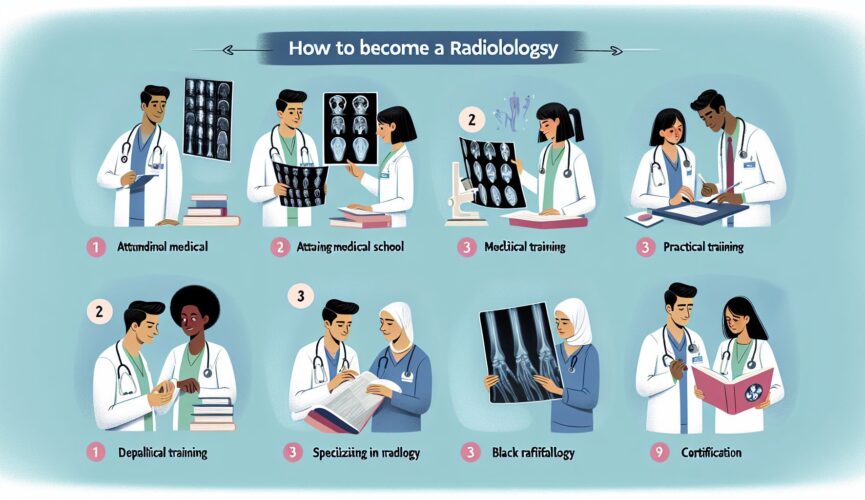
  1. Earn a Medical Degree: The first step in becoming a radiologist is to earn a medical degree from an accredited medical school. This involves completing a bachelor’s degree program followed by four years of medical school. During medical school, students will learn about the basic sciences, patient care, and clinical skills necessary to become a competent physician.

  2. Complete Residency Training: After earning a medical degree, aspiring radiologists must complete a residency program in diagnostic radiology. Residency programs typically last four years and involve hands-on training in various imaging techniques such as X-rays, MRI, CT scans, and ultrasound. During residency, students will also have the opportunity to work with experienced radiologists and learn how to interpret imaging studies accurately.

  3. Fellowship Training(Optional): Some radiologists choose to pursue additional fellowship training in subspecialties such as interventional radiology, neuroradiology, or musculoskeletal radiology. Fellowship programs typically last one to two years and provide in-depth training in a specific area of radiology.

  4. Obtain Licensure and Certification: After completing residency training, radiologists must obtain a medical license to practice in their state. Additionally, many radiologists choose to become board-certified by the American Board of Radiology or another relevant certifying body. Board certification demonstrates a radiologist’s commitment to professional excellence and can enhance job opportunities and earning potential.

Skills and Qualities of a Successful Radiologist

In addition to completing the necessary education and training, successful radiologists possess a unique set of skills and qualities that are essential for providing high-quality patient care. Some of the key skills and qualities of a successful radiologist include:

  • Attention to detail: Radiologists must have keen attention to detail to accurately interpret complex imaging studies and identify subtle abnormalities.
  • Technical proficiency: Radiologists must be proficient in using a variety of imaging techniques and equipment to obtain high-quality images for diagnosis.
  • Communication skills: Radiologists must be able to effectively communicate their findings to referring physicians and work collaboratively with other healthcare providers to develop treatment plans for patients.
  • Problem-solving skills: Radiologists must be able to think critically and solve problems quickly and efficiently, especially in emergency situations.
  • Compassion and empathy: Radiologists must demonstrate compassion and empathy towards patients, especially when delivering difficult or potentially life-changing diagnoses.

Career Opportunities for Radiologists

Radiologists have a wide range of career opportunities available to them, including working in hospitals, clinics, imaging centers, and academic institutions. Some radiologists choose to specialize in a particular area of radiology, such as breast imaging, pediatric radiology, or nuclear medicine, while others prefer to work in general diagnostic radiology.

In addition to traditional clinical roles, radiologists can also pursue opportunities in research, education, and administration. Research opportunities in radiology are abundant, with ongoing advancements in imaging technology and techniques. Radiologists can also choose to teach medical students and residents or take on leadership roles within healthcare organizations.

Conclusion

Becoming a radiologist is a challenging but rewarding career path for medical students who are passionate about using medical imaging techniques to diagnose and treat patients. By completing the necessary education and training, developing essential skills and qualities, and pursuing relevant licensure and certification, aspiring radiologists can build a successful and fulfilling career in this dynamic field.

If you are a medical student considering a career in radiology, take the time to explore the various opportunities available to you and learn more about the responsibilities and challenges of being a radiologist. With dedication, hard work, and a commitment to lifelong learning, you can achieve your goal of becoming a skilled and compassionate radiologist dedicated to improving the health and well-being of your patients.
Treating a Variety of Conditions with Interventional Radiology

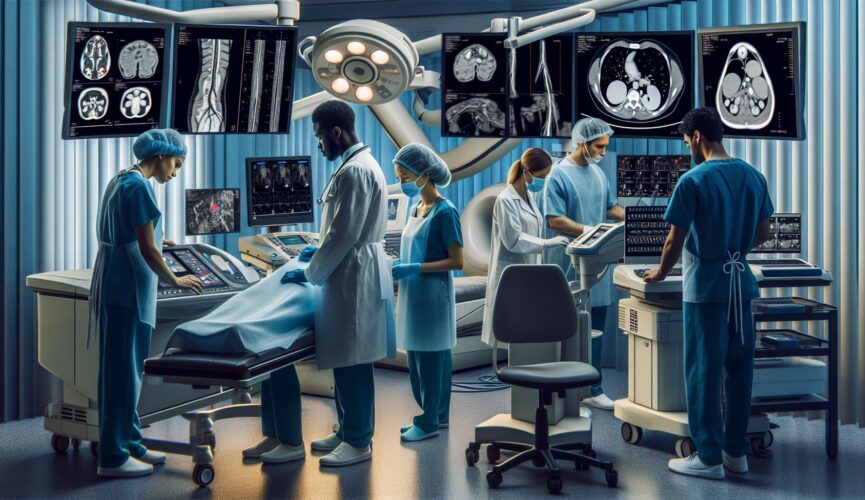
Interventional radiology is a subspecialty of radiology that focuses on using imaging techniques to guide minimally invasive procedures for diagnostic and therapeutic purposes. In hospitals, interventional radiologists play a crucial role in treating a wide range of medical conditions. In this blog post, we will explore some of the conditions that can be effectively treated using interventional radiology techniques.

Vascular Conditions

One of the most common types of conditions treated in interventional radiology is vascular conditions. This includes conditions such as peripheral artery disease, deep vein thrombosis, and varicose veins. Using imaging guidance, interventional radiologists can perform procedures such as angioplasty, stent placement, and thrombolysis to improve blood flow and alleviate symptoms in patients with vascular issues.

Liver and Kidney Diseases

Interventional radiology also plays a crucial role in treating liver and kidney diseases. Patients with liver cancer or benign liver tumors may benefit from procedures such as transarterial chemoembolization (TACE) or radiofrequency ablation (RFA) to target and destroy tumors while minimizing damage to surrounding healthy tissue. In the case of kidney diseases, procedures such as nephrostomy tube placement or percutaneous nephrolithotomy can help manage conditions such as kidney stones or blockages.

Oncologic Conditions

Interventional radiology is a vital component of cancer treatment, with procedures such as tumor ablation, embolization, and radioembolization being used to target and treat tumors. These techniques can be used in various types of cancer, including liver cancer, lung cancer, and bone cancer. By directly targeting tumors with minimal damage to healthy tissue, interventional radiology can provide effective treatment options for cancer patients.

Pain Management

Patients suffering from chronic pain may also benefit from interventional radiology procedures. Techniques such as nerve blocks, spinal cord stimulations, and vertebroplasty can help alleviate pain and improve quality of life in patients with conditions such as chronic back pain, neuropathic pain, or compression fractures. By targeting the source of pain with precision, interventional radiology procedures can provide long-lasting relief for patients.

Gastrointestinal Conditions

Interventional radiology can also be utilized to treat various gastrointestinal conditions. Patients with conditions such as gastrointestinal bleeding, biliary obstructions, or pancreatic disorders may benefit from procedures such as embolization, stent placement, or drainage procedures. By using imaging guidance, interventional radiologists can target specific areas within the gastrointestinal system to alleviate symptoms and improve patient outcomes.

Conclusion

In conclusion, interventional radiology plays a pivotal role in the treatment of a wide range of medical conditions in hospitals. By using minimally invasive procedures guided by imaging techniques, interventional radiologists can provide effective and targeted treatment options for patients with vascular conditions, liver and kidney diseases, oncologic conditions, pain management, and gastrointestinal conditions. As technology continues to advance, the field of interventional radiology will continue to expand and offer innovative solutions for patients in need of specialized care. If you or a loved one are facing any of the aforementioned conditions, consider consulting with a hospital’s interventional radiology department to explore potential treatment options available to you.

Diagnosing and Treating Diseases in Sick Family Members

When a family member falls ill, it can be a challenging and overwhelming time for everyone involved. It’s natural to feel helpless and unsure of how to proceed. However, there are steps you can take to help diagnose and treat their illness effectively. In this article, we will discuss some tips and strategies for caring for sick family members.

1. Seek Medical Attention
The first step in diagnosing and treating a disease in a sick family member is to seek medical attention. Encourage your loved one to see a doctor or specialist who can properly assess their condition. Medical professionals have the training and expertise to identify symptoms, order tests, and provide a diagnosis. Be sure to provide the doctor with as much information as possible about your family member’s symptoms and medical history.

2. Research the Disease
Once a diagnosis has been made, it’s essential to educate yourself about the disease affecting your family member. Understanding the condition, its symptoms, progression, and treatment options can help you better support your loved one. Use reputable sources such as medical websites, books, or support groups to gather information. Don’t be afraid to ask questions and seek clarification from healthcare providers.

3. Establish a Treatment Plan
Work with your family member’s healthcare team to establish a treatment plan tailored to their specific needs. This may include medications, therapies, surgery, or lifestyle changes. Ensure that your loved one understands their treatment options and is actively involved in decision-making. Be supportive, encouraging, and compassionate throughout the process.

4. Monitor Symptoms
Keep a close eye on your family member’s symptoms and how they are responding to treatment. Report any changes or concerns to their healthcare provider promptly. Monitoring their condition regularly can help identify any complications or side effects early on. Stay in communication with their doctor and follow up on any recommended follow-up appointments or tests.

5. Provide Emotional Support
Caring for a sick family member can be emotionally draining for all involved. Offer emotional support and be a listening ear for your loved one. Encourage them to express their feelings, fears, and concerns openly. Provide reassurance and comfort, and remind them that they are not alone in their journey. Consider seeking the help of a therapist or counselor if needed.

6. Maintain a Healthy Lifestyle
Encourage your family member to maintain a healthy lifestyle to support their overall well-being. This may include eating a balanced diet, staying physically active, getting enough rest, and managing stress. Small lifestyle changes can have a significant impact on their recovery and quality of life. Lead by example and engage in healthy habits together as a family.

7. Seek Second Opinions
If you have any doubts or concerns about your family member’s diagnosis or treatment plan, don’t hesitate to seek a second opinion. Consulting with another medical professional can provide you with additional insights, options, and confidence in the decisions being made. Remember that it’s okay to advocate for your loved one’s best interests and to seek the best possible care for them.

In conclusion, caring for a sick family member can be a challenging and emotional experience. By following these tips and strategies, you can help diagnose and treat their disease effectively. Seek medical attention, educate yourself about the condition, establish a treatment plan, monitor symptoms, provide emotional support, maintain a healthy lifestyle, and seek second opinions when needed. Remember to take care of yourself as well and seek support from friends, family, or healthcare professionals. Stay strong, stay positive, and know that you are making a difference in your family member’s life.

Medical Advancements for People with Cancer

Cancer is a complex and devastating disease that affects millions of people around the world each year. Despite the challenges that come with a cancer diagnosis, there is hope on the horizon thanks to ongoing advancements in medical research and technology. In recent years, there have been significant breakthroughs in the treatment and management of various types of cancer, offering new hope and improved outcomes for patients.

One area of advancement in cancer treatment is personalized medicine. Traditional cancer treatments such as chemotherapy and radiation therapy are effective, but they can also have significant side effects and may not be equally effective for all patients. Personalized medicine involves using a patient’s genetic information to tailor treatments to their specific cancer type and individual characteristics. This approach allows for more targeted and effective treatments, potentially leading to better outcomes and fewer side effects for patients.

Another exciting advancement in cancer treatment is immunotherapy. Immunotherapy works by harnessing the power of the immune system to recognize and attack cancer cells. This approach has shown promising results in various types of cancer, including melanoma, lung cancer, and certain types of leukemia. Immunotherapy can help the immune system to identify and destroy cancer cells, potentially leading to long-lasting remissions and improved survival rates for patients.

In addition to advancements in treatment, there have been significant developments in cancer screening and early detection. Early detection is crucial in the fight against cancer, as it allows for treatment to begin at a more manageable stage when the chances of successful outcomes are higher. Advances in imaging technology, blood tests, and genetic screening have enabled healthcare providers to detect cancer earlier and with greater accuracy than ever before. Early detection can lead to improved survival rates and better overall outcomes for patients.

One of the most significant advancements in cancer research is the development of targeted therapies. Targeted therapies are drugs that specifically target the molecular pathways that are driving cancer growth. By targeting these specific pathways, targeted therapies can stop cancer cells from multiplying and spreading, leading to better treatment outcomes for patients. Targeted therapies have been developed for various types of cancer, including breast, lung, and colorectal cancer, and have shown promising results in improving survival rates and quality of life for patients.

Despite these advancements, it is important to remember that cancer remains a significant health challenge for many individuals and families. While medical advancements have made great strides in improving outcomes for cancer patients, there is still much work to be done in the fight against cancer. Continued research, funding, and support for cancer patients are essential in ensuring that advancements in cancer treatment and care continue to progress.

In conclusion, the field of oncology has seen tremendous advancements in recent years, offering new hope and improved outcomes for people with cancer. Personalized medicine, immunotherapy, early detection, and targeted therapies are just a few of the breakthroughs that have revolutionized the way we approach cancer treatment. While there is still much work to be done, these advancements represent significant progress in the fight against cancer and offer hope for a future where cancer is no longer a deadly disease. By supporting cancer research, raising awareness, and providing care and support for those affected by cancer, we can continue to make strides in improving the health and wellness of individuals living with cancer. Let us continue to work together in the fight against cancer and strive towards a world where cancer is no longer a threat to our health and well-being.

The Role of Radiology in Treating Diseases

Radiology is a crucial field in medicine that plays a significant role in diagnosing and treating a wide range of diseases. As students of medicine, it is important to understand the various diseases that can be treated through radiological techniques, as well as the treatment facilities and recovery process involved. In this article, we will explore some of the common diseases that can be treated with radiology and how radiologists play a key role in the treatment and management of these conditions.

Common Diseases Treated with Radiology

Cancer

One of the most well-known uses of radiology is in the treatment of cancer. Radiological techniques such as radiation therapy and imaging scans are used to diagnose, stage, and monitor cancer. Radiation therapy uses high-energy radiation to target and destroy cancer cells, while imaging scans such as MRI, CT, and PET scans help in identifying the location and size of tumors. Radiologists work closely with oncologists and other healthcare professionals to develop a treatment plan that best suits the patient’s condition.

Cardiovascular Diseases

Radiology is also used in the diagnosis and treatment of various cardiovascular diseases, such as heart attacks, stroke, and atherosclerosis. Imaging modalities like angiography, echocardiography, and CT scans are employed to visualize the blood vessels, heart, and surrounding structures. These imaging techniques help in identifying blockages, aneurysms, and other abnormalities that can lead to cardiovascular problems. Interventional radiologists may perform minimally invasive procedures to treat these conditions, such as angioplasty and stent placement.

Musculoskeletal Disorders

Radiology plays a crucial role in diagnosing and treating musculoskeletal disorders, including fractures, arthritis, and sports injuries. X-rays, MRI, and ultrasound are commonly used to visualize the bones, joints, and soft tissues in the body. Radiologists can identify fractures, joint abnormalities, and soft tissue injuries that require immediate treatment. Treatment options may include physical therapy, medication, or surgical intervention, depending on the severity of the condition.

Neurological Conditions

Radiology is invaluable in the diagnosis and treatment of various neurological conditions, such as brain tumors, stroke, and multiple sclerosis. Imaging techniques like MRI and CT scans are used to visualize the brain and spinal cord, helping in the detection of tumors, bleeding, or other abnormalities. Radiologists work closely with neurologists and neurosurgeons to develop a treatment plan that may include surgery, radiation therapy, or medication to manage these conditions effectively.

Treatment Facilities and Recovery Process

After the diagnosis of a disease through radiological imaging, patients may be referred to various treatment facilities depending on the severity of their condition. Radiation therapy centers, interventional radiology suites, and diagnostic imaging departments are equipped with state-of-the-art equipment to provide the necessary treatment and care for patients. Recovery from treatment may vary depending on the disease and the individual’s response to therapy.

Radiological treatments such as radiation therapy or interventional procedures may have side effects, including fatigue, skin reactions, and pain. Patients undergoing treatment are monitored closely by healthcare providers to manage any side effects and ensure the effectiveness of the treatment. Follow-up imaging scans are often performed to assess the response to treatment and monitor for any recurrence of the disease.

Conclusion

In conclusion, radiology plays a vital role in diagnosing and treating a wide range of diseases across various medical specialties. As students of medicine, it is important to understand the role of radiology in the treatment and management of these diseases and appreciate the collaborative efforts of radiologists, oncologists, surgeons, and other healthcare professionals in providing quality care for patients. By learning about the common diseases treated with radiology and the treatment facilities and recovery process involved, students can gain a deeper insight into the field of radiology and its impact on patient care.

Becoming a Radiologist for Cancer Patients

Radiology plays a vital role in the diagnosis and treatment of cancer. As a radiologist, you have the unique opportunity to utilize imaging technologies to help patients and their healthcare team make informed decisions about their treatment plan. If you are interested in becoming a radiologist specializing in cancer care, here are some steps to get started on this rewarding career path.

Education

The first step to becoming a radiologist is to complete a Bachelor’s degree in a related field, such as biology, chemistry, or physics. After completing your undergraduate studies, you will need to attend medical school to earn a Doctor of Medicine (MD) or Doctor of Osteopathic Medicine (DO) degree.

Residency

Once you have completed medical school, you will need to complete a residency program in radiology. During your residency, you will gain hands-on experience in reading and interpreting medical images, such as X-rays, MRI scans, and CT scans. This is also a good time to focus on cancer imaging techniques and protocols, as cancer diagnosis and treatment are a significant part of a radiologist’s work.

Fellowship

After completing your residency, you may choose to pursue a fellowship in oncologic radiology. This specialized training will allow you to further develop your skills in diagnosing and treating cancer using imaging technologies. During your fellowship, you will work closely with oncologists, radiation oncologists, and other healthcare providers to provide comprehensive care for cancer patients.

Certification

To practice as a radiologist, you will need to become board certified by the American Board of Radiology (ABR) or a similar certifying body. Certification ensures that you have met the rigorous standards set forth by the specialty board and have the knowledge and skills necessary to provide high-quality care to cancer patients.

Continuing Education

As a radiologist specializing in cancer care, it is important to stay current with advances in imaging technology and cancer treatment. Consider pursuing additional certifications or attending continuing education courses to enhance your knowledge and skills in this rapidly evolving field.

Compassion and Empathy

In addition to your technical skills and medical knowledge, it is essential to have compassion and empathy when working with cancer patients. A cancer diagnosis can be overwhelming and frightening for patients, and your ability to provide support and reassurance can make a significant difference in their treatment experience.

Collaboration

Radiologists play a critical role in the multidisciplinary care team for cancer patients. Collaborate closely with oncologists, surgeons, and other healthcare providers to ensure that patients receive coordinated and comprehensive care. Communication and teamwork are essential for delivering the best possible outcomes for cancer patients.

Research

Consider engaging in research and academic pursuits to advance the field of oncologic radiology. Conducting research studies, publishing papers, and presenting at conferences can help expand our understanding of cancer imaging techniques and improve patient care.

In conclusion, becoming a radiologist specializing in cancer care requires dedication, education, and ongoing professional development. By pursuing additional training in oncologic radiology and staying current with advancements in imaging technology, you can provide high-quality care to cancer patients and make a difference in their treatment journey. Remember to approach your work with compassion, empathy, and a collaborative spirit to ensure the best possible outcomes for your patients.

Becoming a Radiologist: Providing Care and Support for Cancer Patients

Radiologists play a crucial role in the diagnosis and treatment of cancer. They are responsible for interpreting medical images, such as X-rays, MRIs, and CT scans, to help oncologists and other healthcare professionals develop treatment plans for cancer patients. If you have a passion for helping others and a strong interest in medical imaging, pursuing a career as a radiologist can be incredibly rewarding. Here are some steps to help you become a radiologist specializing in oncology.

Step 1: Obtain a Bachelor’s Degree

The first step towards becoming a radiologist is to obtain a bachelor’s degree in a relevant field, such as biology, chemistry, or physics. It is important to maintain a high GPA and take prerequisite courses in math and science to prepare for medical school. Additionally, gaining experience through internships or research opportunities can strengthen your application to medical school.

Step 2: Attend Medical School

After completing your bachelor’s degree, the next step is to attend medical school. During medical school, you will learn about anatomy, physiology, and other core medical concepts. You will also have the opportunity to complete clinical rotations in various specialties, including radiology. It is important to excel academically and make connections with radiologists and other healthcare professionals during this time.

Step 3: Complete Residency Training

Following medical school, aspiring radiologists must complete a residency program in diagnostic radiology. During this training, you will gain hands-on experience interpreting medical images and working with cancer patients. It is important to choose a residency program that offers specialized training in oncology to prepare for a career as a radiologist focusing on cancer care.

Step 4: Obtain Board Certification

After completing residency training, radiologists must obtain board certification from the American Board of Radiology. This involves passing a series of exams that test your knowledge and skills in radiology. Obtaining board certification demonstrates a high level of expertise in the field and is essential for practicing as a radiologist.

Step 5: Consider Fellowship Training

For radiologists interested in specializing in oncology, completing a fellowship program in oncologic imaging may be beneficial. Fellowship training provides additional expertise in interpreting imaging studies related to cancer and working with cancer patients. This specialized training can enhance your skills and knowledge in the field of oncologic radiology.

Step 6: Stay Current with Advancements in Radiology

As a radiologist specializing in oncology, it is important to stay current with advancements in medical imaging and cancer treatment. Attending conferences, participating in continuing education courses, and staying informed about the latest research can help you provide the best possible care for cancer patients. Collaborating with oncologists and other healthcare professionals is also essential for delivering comprehensive and personalized care.

In conclusion, becoming a radiologist specializing in oncology requires a strong educational background, hands-on training, and a commitment to staying current with advancements in the field. By following these steps and pursuing opportunities for specialized training, you can make a meaningful difference in the lives of cancer patients. Your dedication and expertise as a radiologist will play a vital role in the diagnosis and treatment of cancer, providing care and support for those in need.

Radiology’s Role in Understanding Golf-Related Injuries

Golf-Related Injuries

Golf – the calming sport of leisurely swings and scenic greens, where players chase that elusive little white ball. But don’t be fooled by the elegance; the golf course can be a sneaky hotbed for injuries. And when it comes to understanding these aches and pains, there’s an unsung hero in the form of radiology, quietly identifying the roughs and hazards that lay within the body. In this blog post, we’ll take you from tee to green, showing the X-rays behind injuries you couldn’t have foreseen.

The Snap in Your Swing: Golf’s Not-So-Silent Injuries

Golf might seem low-impact, but look closer, and you’ll see it’s quite the balancing act. The sport is notorious for causing repetitive strain injuries like golfer’s elbow and wrist sprains. Even the blessed backswing that propels the ball can cause the dreaded ‘golfer’s back’ – a.k.a. sacroiliac joint dysfunction or lumbar strain. These injuries are par for the course, pardon the pun, owing to the combination of play intensity and biomechanics.

A Perfect Panorama: Radiology’s Gaze on Golf Injuries

When the game gets rough, or the rough gets… well, rougher, radiology steps in like a loyal caddie. The imaging technology involved – X-rays, CT scans, MRIs – can capture the inner mechanics fine-tuning your shots. For instance, a wrist radiograph can reveal the telltale signs of ligament injuries, which, if overlooked, could turn into a major handicap. Similarly, an MRI around the shoulder can survey the rotator cuff, vital for the powerful motions in a swing, possibly showing underlying strains that affect deft club control.

Before “Fore!” After the Swing: Preventive Measures and Rehabilitation

Don’t be a ball in the wind – awareness of common golf injuries and their early detection is key. Warm-ups and golf-specific exercises can cut off many injuries before they begin. And in case the worst happens, incorporating radiology in your recovery narrative is crucial. It can chart the progress of healing and inform the rehabilitation plan, ensuring that your return to the course isn’t met with a recurrence of the injury. Attend golf resorts in Tampa, Florida with confidence. 

Steer Clear of the Sand Traps and Stretcher Cars

To outsmart sports injuries, approach golf like a chess game. Stay hydrated, maintain a balanced diet, do your pre-game stretches, and know when to call it with a heavy round. The golfing community often downplays the physical toll of their sport in favor of its cerebral challenges, but it pays to remember that even the most elite tour pros occasionally fall prey to the demands of the swing spectrum.


In the vast course of sports medicine, radiology acts as a beacon – guiding both patient and physician through the treacherous back nine of golf injuries. It’s not just about seeing the outside of the body with radiologists, it’s about looking within and spotting the unseen faults that hamper your perfect game. Remember, the real winners are those who play the game for years to come, unmarred by injuries as invisible as those X-rays reveal.

Understanding Disease Diagnosis and Treatment: A Consumer’s Guide

As consumers, it is important for us to understand how diseases are diagnosed and treated in order to take control of our health and well-being. By being knowledgeable about the process, we can make informed decisions about our healthcare and work towards disease prevention. In this article, we will explore the steps involved in diagnosing and treating diseases, as well as some tips for staying healthy.

Diagnosing Diseases

Diagnosing a disease involves a series of steps that healthcare professionals take in order to determine the underlying cause of symptoms. The first step in the diagnosis process is obtaining a detailed medical history from the patient. This includes information about past illnesses, family medical history, and lifestyle factors that may contribute to the current symptoms.

After gathering a medical history, healthcare providers may perform physical exams, blood tests, imaging tests (such as X-rays or MRIs), and biopsies to further investigate the potential disease. These tests help healthcare professionals narrow down the possible causes of symptoms and make an accurate diagnosis.

It is important for patients to be open and honest with their healthcare providers during the diagnosis process. Providing detailed information about symptoms, lifestyle habits, and family medical history can help healthcare providers make an accurate diagnosis and develop an effective treatment plan.

Treating Diseases

Once a disease has been diagnosed, healthcare providers will work with the patient to develop a treatment plan. Treatment options vary depending on the type and severity of the disease, but may include medications, surgery, physical therapy, or lifestyle changes.

Medications are commonly used to manage symptoms and treat the underlying cause of a disease. Surgery may be necessary to remove tumors, repair damaged organs, or correct structural abnormalities. Physical therapy can help patients regain strength and mobility after an injury or illness. Lifestyle changes, such as improving diet and exercise habits, can also play a crucial role in disease treatment and prevention.

It is important for patients to follow their healthcare provider’s treatment plan closely in order to achieve the best possible outcomes. This may involve taking medications as prescribed, attending physical therapy sessions, following a healthy diet, and avoiding harmful habits such as smoking or excessive alcohol consumption.

Disease Prevention

While some diseases cannot be prevented, there are steps that consumers can take to reduce their risk of developing certain conditions. Maintaining a healthy lifestyle by eating a balanced diet, getting regular exercise, and avoiding harmful habits can help prevent many common diseases such as heart disease, diabetes, and certain types of cancer.

Regular check-ups with healthcare providers can also help catch potential health issues early, when they are easier to treat. It is important for consumers to be proactive about their health and prioritize preventative care in order to stay healthy and disease-free.

By understanding the process of disease diagnosis and treatment, consumers can take control of their health and make informed decisions about their healthcare. By working closely with healthcare providers and following treatment plans closely, patients can achieve the best possible outcomes and lead healthy, fulfilling lives. Remember, prevention is key to maintaining good health, so prioritize healthy habits and regular check-ups to stay one step ahead of disease.

How Health-Related Nonprofits Can Boost Their Fundraising Efforts

Boost Their Fundraising Efforts

In the intricate world of health-related nonprofits, fundraising is akin to being dealt a hand in a game that mixes strategy with a sprinkle of luck. The stakes are high, the rules are always evolving, and your potential win is measured in healthy lives, not just dollars. If you’re a nonprofit in need of a fresh approach to fill your coffers, learn how to play the game with a stronger hand and a sharper wit.

Building a Rock-Solid Online Presence

Imagine your website is the well-oiled engine of a world-class sports car, your content—fuel that propels your cause, and your social media profile—reflective surfaces that catch the eye of potential donors cruising the digital highway. The visuals should be compelling, the copy crisp and clear, and the ‘donate’ button? It’s the squeaky-clean windscreen wiper of your metaphorical vehicle—always there, ready to swipe at the click of a decision.

But it doesn’t end with a solitary destination; your nonprofit story spills over into various online social networks, each a potential touchpoint with someone inspired by your mission. Share testimonials, progress reports, and personal stories. This should transform your online presence from a mere notice-board into an interactive gallery where hope, inspiration, and gratitude are curated for the right audience.

Engaging with Your Donors

Charity begins at home, and so should reaching out to potential benefactors. Make the personal touch feel like a warm, comforting handshake—a virtual hug when physical proximity is limited. Email campaigns that eschew the stilted jargon of formal correspondence to speak like a caring friend can resonate. Better yet, host webinars, livestreams, and online Q&A sessions to ensure that donors don’t just give and forget, but give and get—information, inspiration, and involvement.

Partnership is Power

Next, think of your nonprofit’s fundraising as a master chess game; strategic moves can make all the difference. Seek partnerships and collaborations with businesses whose ethics align with your cause, influencers with hearts big enough to reflect the moon and stars in their gazing, and other organizations where shared efforts spawn a much bigger ripple effect than individual ones.

Community support doesn’t just come from the lone donor tossing a coin into your bucket; it stems from acquainting neighborhood networks with neighborly needs. Leverage that support with local events, engaging outreach programs, and a tireless championing of your cause within the community.

Sealing the Deal with Consultants

Sometimes even the most seasoned player could use a mentor, a coach, or in the case of nonprofit fundraising – the best nonprofit consulting firms. These professionals, versed in the nuances of charity finessing, can provide that strategic edge, that fresh perspective on how to squeeze the most goodness from every dollar bill that’s entrusted to your cause.With these well-worn cards of the charity entrepreneur, you can roll into the fundraising arena like an impeccably prepared poker player—eying the table, reading the bets, and ready to lay your best hand on the line for a cause that’s worth every stake.

Navigation