As students of medicine, it is essential to have a clear understanding of the various specialties within the field of healthcare. One such crucial specialty is that of a radiologist. Radiologists play a vital role in the diagnosis and treatment of patients by using advanced imaging techniques to provide valuable insights into a patient’s condition. In this article, we will delve into the role of a radiologist, their responsibilities, and the significance of their work in the healthcare industry.
What is a Radiologist?
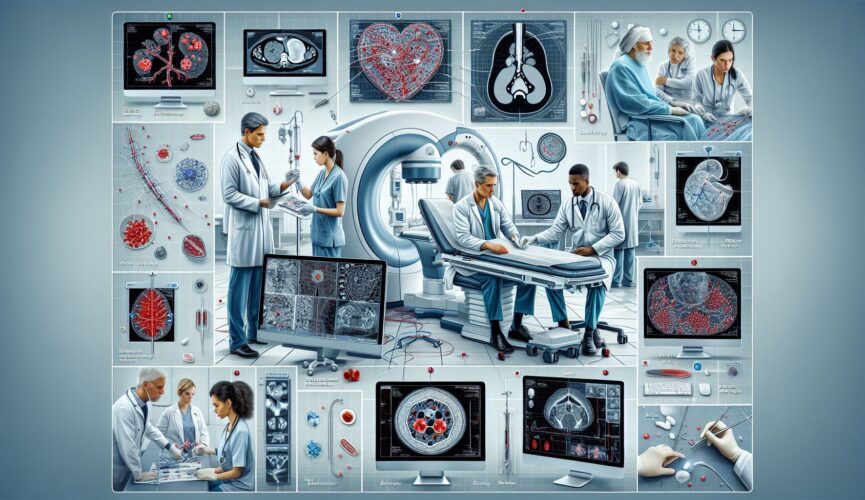
A radiologist is a medical doctor who specializes in interpreting diagnostic images obtained through various imaging techniques such as X-rays, ultrasounds, MRIs, CT scans, and PET scans. These imaging techniques help radiologists visualize internal structures of the body and identify any abnormalities or diseases.
Responsibilities of a Radiologist:
-
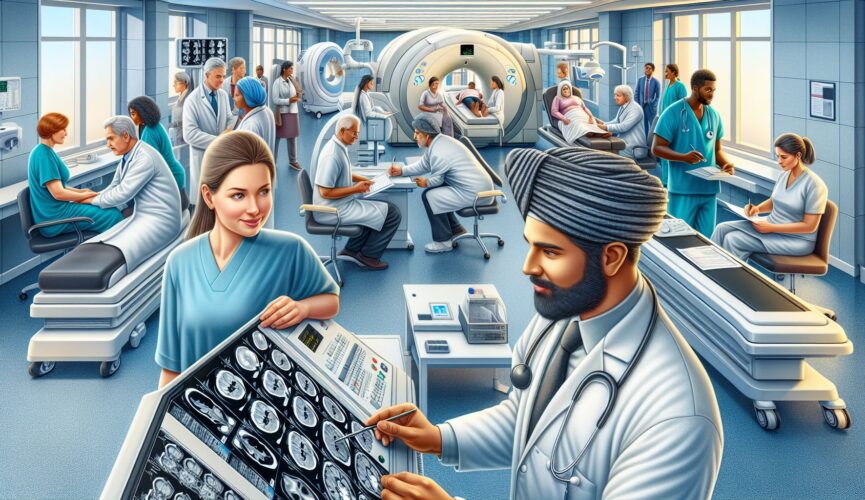
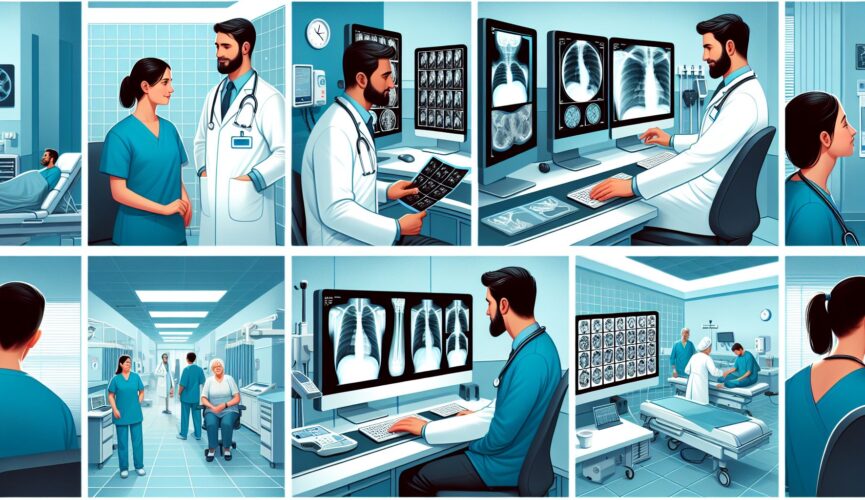
Interpreting Images: One of the primary responsibilities of a radiologist is to interpret diagnostic images accurately. They analyze images to identify any abnormalities, injuries, or diseases that may be present in the body.
-
Consulting with other Healthcare Professionals: Radiologists often work closely with other healthcare providers, including physicians and surgeons, to discuss imaging findings and develop treatment plans for patients.
-
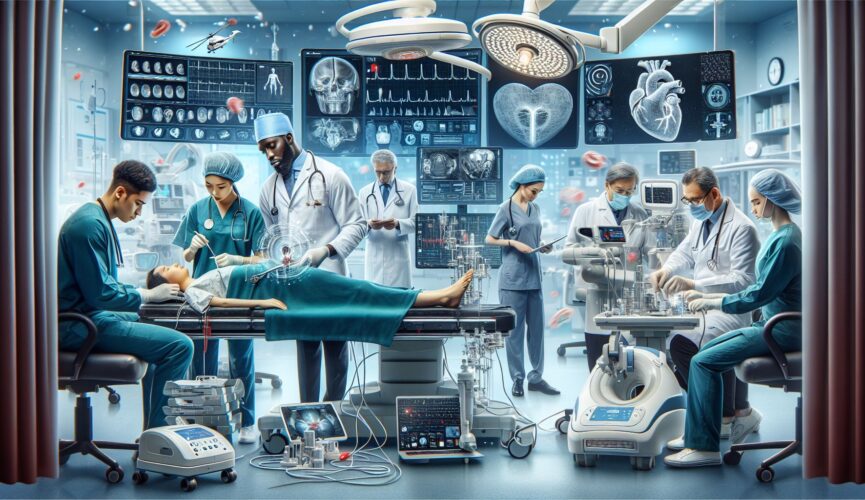
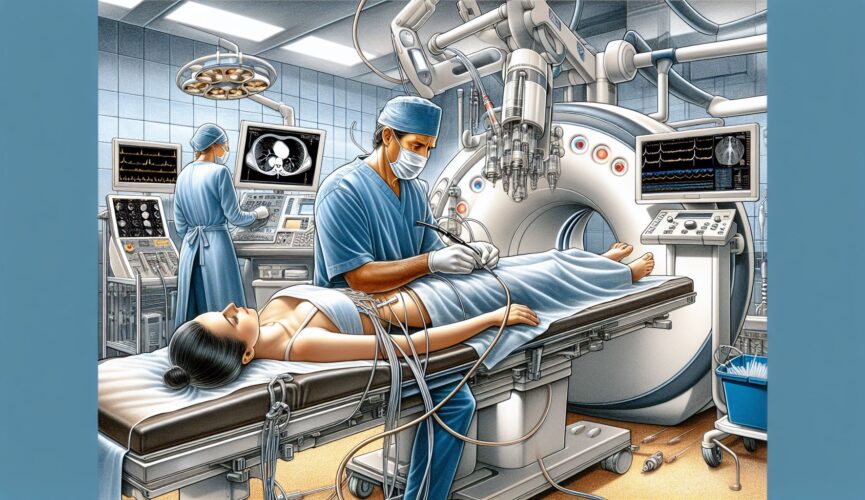
Performing Procedures: In addition to interpreting images, radiologists may also perform various imaging-guided procedures, such as biopsies or drainage procedures, to help diagnose and treat patients.
-
Radiation Safety: Radiologists are also responsible for ensuring the safety of patients and healthcare workers when using radiation-based imaging techniques. They must follow strict protocols to minimize radiation exposure and ensure the well-being of their patients.
Significance of Radiologists in Healthcare:
Radiologists play a crucial role in the healthcare industry by providing vital information to help diagnose and treat patients effectively. Their expertise in interpreting imaging studies allows for early detection of diseases and accurate assessment of treatment outcomes. By collaborating with other healthcare professionals, radiologists contribute to the overall care and well-being of patients.
In hospitals, radiologists are an integral part of the healthcare team, working closely with physicians, surgeons, and other specialists to provide comprehensive care to patients. Their interpretation of imaging studies helps guide treatment decisions and ensures that patients receive the most appropriate care tailored to their individual needs.
Becoming a Radiologist:
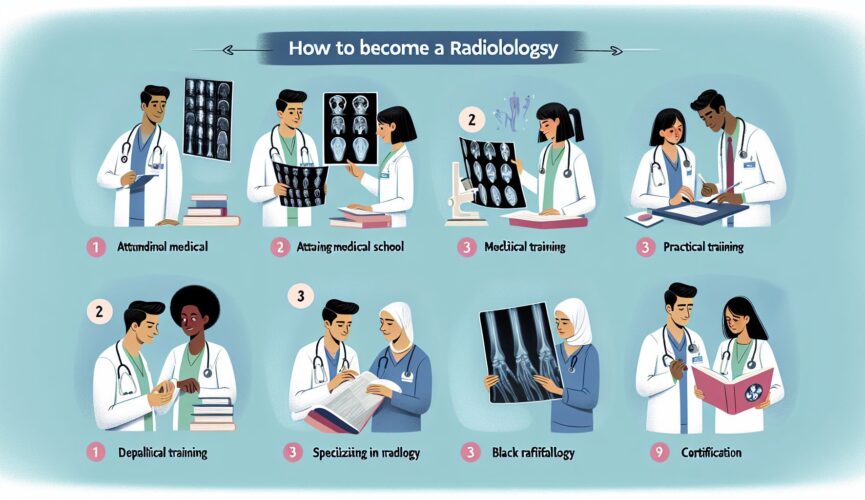
To become a radiologist, aspiring medical students must complete medical school and a residency program in radiology. During residency, they receive specialized training in various imaging techniques and learn how to interpret diagnostic images effectively. Many radiologists also choose to pursue further subspecialty training in areas such as interventional radiology, neuroradiology, or pediatric radiology to enhance their skills and knowledge.
Conclusion:
In conclusion, radiologists play a crucial role in the healthcare industry by using advanced imaging techniques to diagnose and treat patients effectively. Their expertise in interpreting diagnostic images and collaborating with other healthcare professionals make them valuable members of the healthcare team. As students of medicine, it is essential to appreciate the significance of radiologists in providing quality care to patients and the critical role they play in the overall healthcare system.