Category: Default

Diagnosing and Treating Diseases: An Essential Guide for Medical Professionals

As medical professionals, we constantly face the challenge of accurately diagnosing and effectively treating different diseases to ensure the overall wellness of our patients. Our role is more like being an investigator, deciphering the body’s clues to uncover any underlying conditions and deciding the most effective treatments. This blog explores the strategies that medical professionals can implement in diagnosing and treating diseases accurately.

Understanding the Disease Process

Before making any diagnosis, it’s vital to understand the process of disease development. Though each disease is distinct, most will go through stages: incubation, prodromal, acute, decline, and convalescent. Understanding these stages is key to timely diagnoses, as symptoms can vary widely across these stages. Identifying the disease in the early stages may allow for timely intervention and improved patient outcomes.

Conducting Comprehensive Clinical Assessments

An essential part of diagnosing diseases lies in conducting a comprehensive clinical assessment. This includes a thorough history taking, physical examination, and appropriate investigations. Each patient’s story provides unique insights, and sometimes, you might need to read between the lines to realize an underlying health issue.

History Taking

A comprehensive history-taking involves an open and non-judgmental approach. The aim is to gather as much information as possible about the patient’s condition, past medical history, lifestyle, and psychosocial environment. A holistic background helps construct a more accurate picture of the patient’s health.

Physical Examination

A thorough physical examination goes beyond checking for apparent symptoms. It involves looking out for subtle signs that provide hints towards a disease. Each examination should be system-specific and accommodate the issues raised during history-taking.

Appropriate Investigations

Investigations are the third pillar of clinical assessment. They could range from basic blood tests to advanced imaging, genetic testing, or tissue biopsies. The choice of investigation should be tailored to each patient based on their history and physical examination findings.

Diagnoses – The Differential Spectrum

Diagnostics should never be a conclusion but a spectrum of probabilities – the differential diagnoses. This strategy allows us to keep an open mind and continue to reassess the condition as new information comes to light, reducing the chances of diagnostic errors.

Initiation and Management of Treatment

Once the diagnosis is established, the next critical step is to initiate appropriate treatment. The aim is not only to treat the disease but also to manage the symptoms, minimize side effects, and improve the patient’s quality of life. Easy access to wellness centers and integrating holistic approaches, including lifestyle modifications, can be beneficial.

Medication Management

Choosing the right medication and dosage is essential for successful treatment. It’s also important to consider a patient’s co-morbidities, drug allergies, and potential drug-drug interactions.

Patient Education

Patients play an active role in managing their diseases. It’s vital to educate them about their condition, so they appreciate the importance of their treatment plan and adhere to it.

Follow-ups and Reassessments

Regular follow-ups are critical in disease management. They allow us to monitor the patient’s response to treatment, reassess the disease progression, and adjust treatment as needed. Remember, every follow-up is an opportunity not just to treat, but to re-evaluate the diagnosis should the need arise.

Conclusion

As medical professionals, we bear the responsibility of not only healing the sick but also contributing to the wellness of our patients. To do this, we must equip ourselves with the right skills and knowledge, adopt comprehensive clinical assessments, appreciate the spectrum of differential diagnoses, and adapt our methods of treatment to cater to the needs and preferences of our patients. Through these approaches, we make strides towards accurate diagnoses, effective treatments, and satisfied patients evolving as better practitioners along with every challenge we face. And may this journey of learning and serving never end.

Remember, every sick patient offers us an opportunity to learn and every wellness center rekindles our resolve to heal. So let the spirit of continuous learning and compassionate healthcare pervade everything we do, because we make a difference, one patient at a time.
Crafting a Career in Radiology: A Guide to Becoming a Radiologist

A career in the medical field is an alluring choice for many, encompassing a multitude of specializations, each with its unique rewards and challenges. If your passion lies in understanding diseases, disease prevention, cancer treatment and supporting the sick, it might be worth considering a job as a radiologist. Radiologists play a critical role in healthcare, using advanced imaging technology to diagnose and treat a range of ailments. This article delves into the process of becoming a radiologist, shedding light on the steps necessary to embark on this profoundly rewarding career path.

So, What Does Being a Radiologist Entail?

A radiologist is a medical specialist who uses imaging techniques such as X-rays, computed tomography (CT), magnetic resonance imaging (MRI), nuclear medicine, positron emission tomography (PET), and ultrasound to diagnose and treat diseases. Your tasks would involve reading and interpreting medical images, guiding treatment by recommending further tests or therapy, and even treating conditions directly using minimally invasive, image-guided procedures.

The role of a radiologist is pivotal, particularly in cancer treatment, where radiologists use radiation therapy to shrink tumors and kill cancer cells. Moreover, early detection of diseases, courtesy of a radiologist’s expertise, can significantly improve a patient’s prognosis and quality of life.

Exploring the Path to Becoming a Radiologist

Intrigued? If so, let’s delve straight into the steps needed to craft a career as a radiologist.

1. Earning a Bachelor’s Degree

Becoming a radiologist requires a solid academic foundation, beginning with a Bachelor’s degree. While there isn’t a specific pre-medical undergraduate program you must follow, it’s advised to opt for a degree in physical sciences, biological sciences, or a related field that encompasses coursework in biology, physics, and chemistry.

2. Attending Medical School

Once you have your Bachelor’s degree, the next step is to attend medical school, which involves an additional four years of study. Acceptance into medical school is competitive, requiring superior academic performance and a persuasive score on the Medical College Admission Test (MCAT). The first two years of medical school typically involve classroom and laboratory work, while the final two years are reserved for hands-on patient care under the supervision of experienced physicians.

3. Completing a Residency

After graduating from medical school, you’ll earn the title of Doctor of Medicine (MD) or Doctor of Osteopathic Medicine (DO). However, to become a radiologist, there’s still more to do. The next step is a residency program in radiology, lasting between four and five years, during which you’ll gain practical, supervised experience in a hospital or clinic.

4. Seeking Board Certification

Once your residency is completed, aspiring radiologists should pursue board certification from the American Board of Radiology (ABR) or the American Osteopathic Board of Radiology. This certification validates your competency and commitment towards maintaining high standards of care, which is instrumental in attaining trust and credibility.

5. Considering Subspecialization

The field of radiology is vast and allows for subspecialization in areas such as breast imaging, cardiovascular radiology, or neuroradiology. If one of these interests you, it might be beneficial to complete a fellowship in the chosen specialty, providing a further 1-2 years of specialty training.

Conclusion

Becoming a radiologist isn’t an overnight process, it requires years of rigorous study and hands-on training. But the profound impact that radiologists can have on saving lives makes the effort worthwhile.

Whether it’s the general joy of disease prevention or specific satisfaction derived from curtailing the menace of cancer, a career as a radiologist provides an opportunity to contribute substantially towards medicine and patient care. This journey may be long and challenging, but the rewards are immense: You get to unravel the mysteries of the human body, pioneer innovative treatments, and most importantly, help patients reclaim their health, one diagnosis at a time.

A Comprehensive Guide on How to Become a Radiologist for Educators

The world of medical professionals is vast and diverse, with a wide array of specialties and roles available. One such crucial role is that of a radiologist – a crucial bridge in the care of the sick, offering diagnostic expertise and insight to guide other healthcare professionals. This guide is intended to provide educators with an in-depth look into the process of becoming a radiologist, with a particular focus on the importance of holistic wellness centers as learning environments and their pivotal role in the nurturing of future radiologists.

What is a Radiologist?

Before we delve into the process and requirements of becoming a radiologist, let’s first understand what a radiologist does. A radiologist is a medical doctor (MD) or doctor of osteopathy (DO) who specializes in diagnosing and treating diseases and injuries by using medical imaging techniques such as X-rays, Computed Tomography (CT), Magnetic Resonance Imaging (MRI), nuclear medicine, Positron Emission Tomography (PET) and ultrasound.

Educational Pathway to Becoming a Radiologist

Earn a Bachelor’s Degree

The journey to becoming a radiologist begins with a bachelor’s degree. While no specific major is generally required, a strong preference is typically given to applicants with a background in biology, physics, or chemistry. The coursework should focus on providing a strong foundation in the sciences.

Attend Medical School

Following the completion of a bachelor’s degree, aspiring radiologists must apply to and complete medical school. This typically takes four years, during which students will further their study of the sciences, as well as begin clinical rotations that introduce them to the range of specialties within the medical field.

Complete a Radiology Residency

Upon completion of medical school, the next step is to complete a four-year residency in radiology. This is where future radiologists learn to interpret imaging and care for patients. Educators play a fundamental role in guiding and shaping the radiologists during this period.

Consider a Fellowship

Once the residency is complete, many radiologists opt to further specialize in specific areas of radiology such as cancer imaging or pediatric radiology by undertaking one or two-year fellowships.

The Role of Wellness Centers in Radiology Education

Wellness centers play a significant role in the education of future radiologists. Often serving as practical learning environments, these centers allow aspiring radiologists to interact with patients, other healthcare professionals, and cutting-edge imaging technology. They also provide opportunities for early exposure to the profession, fostering a greater connection to the role and driving home its importance in caring for the sick.

The wellness centers follow a holistic approach towards the wellness of students by recognizing the stress that comes with studying radiology and providing services to help manage this pressure. The services may include counselling, health services and fitness facilities. This encourages a healthier lifestyle, ultimately leading to better patient interactions and treatment decisions.

Conclusion

Becoming a radiologist requires years of dedicated study and clinical practice. But with the right guidance and support, a rewarding career awaits those up to the task. As educators, fostering an understanding and respect for the profession early on, paired with leveraging resources such as wellness centers, can greatly improve the student’s journey towards becoming a radiologist. We must remember that our ultimate goal is not just producing radiologists—but radiologists who are competent, empathetic and able to provide the highest level of care to the sick. Our task, then, is to provide the tools necessary for success, and to be a source of support throughout the process.

Understanding the Role of a Radiologist in Cancer Care

Cancer is an incredibly complex disease that requires a team of experienced healthcare providers to diagnose and treat effectively. A crucial member of this team is the radiologist, who uses advanced imaging technology to view the inside of the body, identify tumors and other cancerous growths, and help determine the best course of treatment for patients. This article provides an in-depth look at what a radiologist does, how they interact with other medical professionals, and how their expertise aids in the recovery process for people with cancer.

What is a Radiologist?

Radiologists are highly skilled medical doctors who specialize in diagnosing and treating diseases and injuries through the use of medical imaging—such as x-rays, computed tomography (CT) scans, magnetic resonance imaging (MRI), ultrasound, and nuclear medicine imaging. Their roles extend beyond analyzing images as they are also involved in delivering therapies like radiation treatments for cancer. Radiologists, however, aren’t usually involved in direct patient care; instead, they work closely with oncologists and other physicians to evaluate the images and plan treatment strategies.

Role in Cancer Diagnosis

The detection and diagnosis of cancer require precise imaging to identify tumors and track their growth. Radiologists use a variety of imaging tests that could reveal both the presence and location of cancers inside the body. They analyze these images, identify abnormalities that may indicate cancer, and provide a written report to the patient’s primary care physician or oncologist. If a suspicious region is detected, radiologists may perform image-guided biopsy to obtain tissue samples for further testing.

Radiologists and Treatment Planning

In addition to diagnosing cancer, radiologists also play a critical role in deciding what type of treatment will be most effective based on the cancer’s location, size, and stage. For example, if a patient has lung cancer, a radiologist may use imaging to determine if the cancer has spread to other parts of the body. These findings help the oncologist choose the most appropriate and effective treatment strategy—be it surgery, chemotherapy, radiation therapy or a combination of these.

Radiologists in Interventional Procedures

Some radiologists specialize in interventional radiology, a subfield where they use imaging to guide procedures such as inserting catheters, stents, or other devices inside the body. These procedures are often less invasive than surgery and can be used for treating some types of cancer or managing symptoms. In some cases, interventional radiologists also perform cryoablation or radiofrequency ablation to kill cancerous cells.

Radiologists and Recovery Process

Once treatment begins, radiologists continue to play a critical role in patient care. They use follow-up imaging scans to monitor the effectiveness of the treatment, measure tumor response, and look for any signs of relapse. This monitoring process helps to adjust the treatment plan if needed, ensuring the patient receives the most effective care.

Collaboration with Other Professionals

Although radiologists often work behind the scenes, their role is multifaceted and collaborative. They regularly communicate with other members of a patient’s healthcare team, contributing their expertise in interpreting diagnostic images and explaining the significance of these findings. They also take part in tumor board meetings where complex cases are discussed in a multidisciplinary setting to determine the best patient care strategies. Remember, successful cancer care hinges on a comprehensive, collaborative approach among a team of specialists, with the radiologist playing a key role.

Conclusion

In conclusion, radiologists are unsung heroes in cancer care. They work tirelessly in the background, using their expertise to guide diagnosis, assist treatment planning, and monitor the progress of recovery. Their work has a profound impact on patient outcomes, helping to deliver personalized cancer treatment that increases the chances of success and enhances patients’ quality of life.

In the fight against cancer, remember that you have a team of specialists by your side and a radiologist is an indispensable part of that team. Their analysis and input can make a significant impact on the journey towards recovery.

#Exploring Natural Ways to Complement Cancer Treatment

Cancer, as we all know, is a devastating disease that disrupts families and turns lives upside down. If someone dear to you has been diagnosed with this life-altering condition, it is only natural to want to know what you can do to help. While mainstream medical treatments remain the most effective and trusted ways to treat cancer, natural remedies may offer promising complementary methods to potentiate the power of traditional treatments and increase the quality of life for patients. This article explores some of the research-backed natural treatments for cancer worth considering alongside primary medical interventions.

Disclaimer: This article is meant to provide useful insights and should never replace a doctor’s advice or therapy.

Dietary Changes

Firstly, proper nutrition is one key aspect people may overlook when caring for a family member with cancer. While it’s not a cure, a well-rounded, balanced diet fortified with the right kinds of nutrients might play an essential role in supporting the body in its battle with cancer.

Plant-based Foods

Plant-based foods such as vegetables, fruits, legumes, grains, nuts, and seeds are rich in antioxidants, vitamins, minerals, and fiber_ important nutrients that fortify the immune system. Some studies suggest that a high intake of these foods may help reduce the risk of certain types of cancer.

Reduce Sugar Consumption

Reducing sugar may not directly cure cancer, but it goes a long way in supporting weight management. Many researchers believe that obesity is a substantial risk factor for several types of cancer. Moreover, diets high in sugar tend to be low in essential nutrients.

Remember: These dietary recommendations are guidelines, they may not work for everyone, as each person’s bodily needs can be different. For example, some chemotherapy treatments require patients to gain weight, not lose it. Always involve a qualified healthcare professional when determining diet changes.

Herbal Supplements

Let’s move on to herbal supplements. Studies have shown that certain herbs may have anti-carcinogenic properties.

Curcumin

Curcumin, the active ingredient in turmeric, has been linked with reduced inflammation and suppressed growth in cancer cells, according to certain laboratory studies. This might make it a beneficial additive to conventional cancer therapies, enhancing their efficacy and reducing side effects.

Green Tea

Green tea is loaded with polyphenolic compounds (catechins) that have been shown to inhibit cancer cell growth and invasion.

We emphasize that while these natural substances are promising, they are not a replacement for standard cancer care. Moreover, any supplements should be discussed with a healthcare provider before use to avoid possible interactions with medications.

Exercise

Another natural way to assist in the fight against cancer is through physical activity. Exercise is known for its numerous health benefits, and its role in cancer care is increasingly acknowledged. Physical activity not only aids in maintaining a healthy body weight but also helps reduce inflammation, bolster the immune system, and improve mood.

Note: Before beginning any exercise routine, it’s important to consult with the patient’s doctor, or a physical therapist, to understand what type and level of activity is appropriate.

Psychosocial Support

Last but not least, dealing with cancer can take a toll on emotional wellness. Psychosocial interventions such as support groups, counseling, and mindfulness have been found to enhance the quality of life in cancer patients and may even affect survival rates positively.

In Conclusion

It is crucial to understand that while these complementary therapies offer benefits, they should not replace mainstream medical treatments such as surgery, chemotherapy, radiation, and immunotherapy as prescribed by hospitals and medical professionals. Instead, they are meant to supplement standard care and potentially improve overall wellbeing and treatment response.

Just as every person is different, every cancer case is distinct. A treatment regime or lifestyle change that works for one individual may not work for another. If you’re considering natural ways to aid in this journey through cancer, remember that these changes should always be taken under advisement of the cancer care team to assure safety and effectiveness. Together, with active collaboration with professional healthcare providers, we can hope to provide the best care possible for our loved ones facing cancer.

Groundbreaking Medical Technologies Saving Lives Today

Advancing technology has always been at the forefront of innovative medicine, resulting in many impressive lifesaving treatments. As a student of medicine, staying updated on these new technologies is critical, not only stem from pure interest but to ensure continued effective patient care in wellness centers and other healthcare establishments.

Revolutionizing Rapid Diagnostic Tests

Rapid Diagnostic Tests (RDTs) have become a critical tool in modern medicine. These tests save lives by providing immediate and accurate diagnoses for a wealth of diseases including Malaria, HIV, and various forms of influenza. The rapid delivery of results allows for quicker initiation of appropriate treatment, hence minimizing mortality and morbidity rates.

Whether in wellness centers, local hospitals, or remote clinics, RDTs have revolutionized the pace and manner of treating patients. For instance, the development of newly redesigned lateral flow tests has made testing for infectious diseases easier, even in remote areas devoid of laboratory facilities.

Harnessing the Power of Artificial Intelligence

Artificial intelligence (AI) is becoming significantly intertwined with healthcare, largely affecting diagnostics, treatment plans, and patient care. AI algorithms can swiftly sift through an enormous amount of data to spot patterns that a human might miss. This ability to rapidly and accurately analyze medical data equips doctors with a robust tool for making precise diagnostic and treatment decisions.

AI is also making strides in predicting patient risk. It is being used to predict which patients face higher risks of acute conditions such as heart attack or stroke. AI predictive models such as these help doctors to provide targeted treatment and preventive measures, ultimately saving lives.

The Emergence of Telemedicine

Traditionally, seeing a doctor required physically visiting a wellness center or a hospital. However, with the advent of telemedicine, accessing healthcare professionals has become increasingly convenient and efficient. Patients can have virtual consultations with their doctors and receive medical advice without leaving their homes.

This increased accessibility is particularly beneficial for patients who live in remote areas or those with mobility issues. Telemedicine also helps doctors monitor their patients in real-time and act swiftly in case of an unwanted health event, therefore potentially saving lives.

Advances in Gene Therapy

In recent years, gene therapy has been lauded as one of the most promising medical developments. By correcting or replacing faulty genes, gene therapy offers potential treatments and even cures for genetic disorders that were once thought untreatable.

While the technology is still in its nascent stages, the successful implementation of gene therapy in treating patients with conditions like Spinal Muscular Atrophy and Leber’s Congenital Amaurosis establish a hopeful precedent. With ongoing research and development, gene therapy holds the potential to save countless lives and fundamentally change the medical landscape.

Robotics in Surgery

Robotic surgery, while seemingly a concept pulled from the pages of science fiction, is now a reality. Robots can now assist surgeons in performing precise, minimally invasive procedures, significantly reducing surgical errors and patient recovery time.

The da Vinci Surgical System is one such notable example, being widely used in treating patients needing complex surgeries. By magnifying the surgeon’s view and providing 3D high-definition vision, this system allows for highly accurate surgical interventions.

Conclusion

In the realm of medicine, technology continues to serve as an indispensable ally. Whether ensuring rapid diagnostics, facilitating remote patient care, or assisting in precise surgeries, technology has undoubtedly transformed the landscape of healthcare.

As medicine continues to evolve with its technological advances, medical students must stay abreast of these trends for the sake of their future patients. This, combined with empathetic patient care, will ensure they are capable of offering the best in wellness and treatment, regardless of the medical landscape they will face in their future careers.

Becoming a Radiologist: Your Path to Fighting Disease and Aiding Prevention

You may have heard or read about radiologists and their vital role in the diagnosis and treatment of various health conditions, especially cancer. These medical professionals have specialized knowledge in interpreting medical images from X-rays, CT scans, MRIs, and ultrasounds. Their expertise aids in understanding diseases, staging cancers, planning treatments and even checking on the effectiveness of the said treatments. To guide you through the journey of becoming a radiologist, this article will shed light on this interesting and crucial specialty.

What is a Radiologist?

Before you embark on this rewarding path, it is essential to understand what a radiologist does. They are medical doctors who interpret diagnostic images to diagnose a wide spectrum of diseases and guide doctors toward the best treatment plans. They use sophisticated imaging technologies like interventional radiology to perform minimally invasive procedures.

Radiologists often play a key role in cancer management. They help identify the presence, type, and stage of cancer. This information is immensely valuable for the oncology team to devise the most effective treatment strategies.

Educational Journey to Becoming a Radiologist

Embarking on your journey to becoming a medical professional, specifically a radiologist, requires multiple layers of education and training.

Pre-Medical Education

The first step is to earn a bachelor’s degree. You are not required to major in a specific field. However, a strong foundation in physical and life sciences is suggested as it will be beneficial later.

Medical School

The next step is applying to, getting accepted into, and completing medical school. This is generally a four-year program, where the first two years typically focus on theoretical learning, covering the basics of the medical and biological sciences. The last two years are usually more clinical, providing experience with patients under the supervision of experienced doctors.

Residency

After graduating from medical school, you will venture into your residency program which focuses on radiology. This is usually a five-year program, with the first year dedicated to a transitional or preliminary medicine internship and the last four years on diagnostic radiology training.

Sub-Specialization

You can opt to further specialize after your residency by taking up a fellowship, focusing on a specific section of radiology such as breast imaging, pediatric radiology, or interventional radiology. This typically takes 1-2 years.

Certification and State Licensing

After finishing your training, you need to take certifications from the American Board of Radiology (ABR) and secure a medical license from your state’s medical board to practice radiology.

Continuous Learning and Career Growth

Beyond initial education, training, and certification, radiologists must be committed to ongoing learning. Medical technology, particularly radiologic technology, is progressing rapidly. As such, keeping up with the latest advancements is essential.

Radiology and Disease Prevention

Radiology is not just about diagnosing diseases—it’s also about prevention. Radiologists often detect issues before they manifest into serious health conditions, including catching early stages of cancers which significantly increases the chances of successful treatment.

Conclusion

Becoming a radiologist is indeed a long journey that comes with intense study, dedication, and a consistent commitment to patient care and continuous learning. However, the impact you can make on people’s lives, the ability to detect diseases early, and contributing to disease prevention makes it a rewarding and fulfilling career. If you are up for the challenge and interested in becoming a vital link in the health care chain, then the journey to becoming a radiologist could be the right path for you.

Enhancing Medical Treatments: The Pivotal Role of Radiology

The field of medicine is a multifaceted entity, continually enveloped by the rapid advancements in science and technology. These strides have brought together a kaleidoscope of therapeutic measures aimed at maintaining health and curing diseases. One of the unsung heroes in this tapestry of therapeutics is Radiology. It is an essential cog in contemporary clinical medicine, now more than ever. In this post, we will delve into the burgeoning role of Radiology in medical treatments, focusing on how it aids in the diagnosis, treatment and follow-up of a multitude of health conditions.

Radiology – A Ray of Hope in Medical Diagnosis

Radiology began its journey with Wilhelm Conrad Roentgen’s discovery of X-rays in 1895. Since then, it has been home to numerous technological advances. The discipline has a central role in modern diagnostic medicine, with radiological imaging being indispensable for the evaluation and monitoring of several pathologies.

With the inception of Computed Tomography (CT), Magnetic Resonance Imaging (MRI), Positron Emission Tomography (PET), and Ultrasound imaging, radiology has made non-invasive, real-time visualizations of the human body’s internal structures a reality. For instance, CT scans can reveal minute details of bone and vasculature, while MRI excellently images soft tissue and neurological structures.

These imaging modalities provide an intimate look at the body’s insides without resorting to invasive measures, such as explorative surgeries. In essence, they help clinicians arrive at an accurate diagnosis efficiently and confidently, forming the cornerstone of medical treatment.

Radiology as Treatment – Interventional Radiology

Radiology is not only a diagnostic tool but also a form of treatment, thanks to an innovative sub-discipline known as Interventional Radiology (IR). IR entails the use of advanced radiological imaging techniques to guide minimally invasive surgical procedures. The premise of interventional radiology is image-guided, targeted therapy, championing precision medicine’s ethos.

IR has become increasingly mainstream in the management of various diseases, including cardiovascular diseases, cancer, and certain pain syndromes. For example, in oncology, radiologists can target tumors internally, using catheters to deliver high radiation doses to cancerous cells and significantly reduce their size – a process known as Brachytherapy, representing precision medicine’s potential.

In vascular intervention, conditions like aneurysms and artery blockages are treated using techniques such as stenting, angioplasty, and coil embolization that rely heavily on radiologic imagery for their accuracy. These methods are less invasive, safe, carry fewer risks of post-treatment complications, and require shorter recovery times – making them excellent alternatives to conventional surgery.

Interestingly, IR techniques have also found a niche in pain management. One such example is the application of nerve blocks or ablations under CT or fluoroscopic guidance to treat refractory chronic pain conditions. These procedures can provide significant relief and enhance patients’ quality of life, demonstrating Radiology’s broad-spectrum applications.

Prognosis and Post-Treatment Monitoring with Radiology

While Radiology’s uses in diagnosis and treatment are evident, its benefits extend beyond these stages. It is an invaluable tool for post-treatment monitoring and evaluating patients’ response to therapy.

For instance, post-chemotherapy patients undergo regular scans to monitor tumor shrinkage or look for disease recurrence. Similarly, patients who have undergone cardio-vascular stenting or other IR procedures are monitored with radiological imaging to check the stent’s position, possible restenosis, or aneurysm coils.

In summary, Radiology plays an integral role in the complete patient care cycle – from diagnosis to treatment and prognosis, making it an indispensable part of today’s healthcare delivery system.

Conclusion

Radiology has dramatically evolved since the discovery of X-rays, transforming into a vital link in the chain of patient care, no longer confined to the realm of diagnosis but actively revolutionizing treatment options. It impeccably blends technology and clinical medicine, improving patient care quality and reducing healthcare burdens.

Despite Radiology’s advancements, it is crucial that healthcare professionals and patients alike should appreciate it as a tool rather than a solution in itself. A well-utilized and understood tool can do wonders in any craft, and the field of medicine is no exception.

Understanding radiology’s potential is integral to exploiting its full capacity for the betterment of patient care. Therefore, educators in medicine and related healthcare fields must emphasize radiology’s growing importance, ensuring its effective integration into curriculums, enabling future healthcare professionals to harness Radiology’s potential fully.

Strategies for Improving Cancer Treatment and Recovery Processes: A Guide for Medical Professionals

The field of oncology is dynamic and constantly evolving, with new advancements in cancer treatment and recovery approaches emerging regularly. As medical professionals, it’s important for us to keep abreast of this evolving landscape to provide the best possible care to our patients. This guide offers an overview of some strategies and best practices to enhance the cancer care continuum.

Novel Approaches to Cancer Treatment

Cancer care begins with devising a personalized treatment plan, which can be as diverse as the patients we treat, often involving a combination of surgery, radiation therapy, and chemotherapy. However, the face of cancer treatment is changing thanks to breakthroughs in targeted therapies and immunotherapies.

  1. Targeted Therapies: These treatments work by specifically targeting the changes in cancer cells that help them grow, divide, and spread. Examples of these include monoclonal antibodies and tyrosine kinase inhibitors. Given the specificity of these treatments, comprehensive genomic profiling of the tumor is increasingly becoming a vital part of formulating a treatment plan.

  2. Immunotherapies: These treatments leverage the body’s own immune system to fight cancer by enhancing its ability to detect and destroy cancer cells. Checkpoint inhibitors, CAR-T cell therapy, and cancer vaccines are examples of immunotherapies.

While a lot of these treatments show promising results, they may not be suitable for all patients due to response variability and potential side effects. Therefore, it’s crucial to discuss these issues with patients and their families and incorporate their preferences into the decision-making process.

Enhanced Recovery Approaches

Cancer treatment does not end with the elimination of the tumor. Many patients face physical, emotional, and cognitive challenges during their recovery process. A more holistic approach to recovery can potentially improve patient outcomes and quality of life.

  1. Psychosocial Support: A cancer diagnosis can take a heavy toll on mental health. Offering psychosocial support through therapists or support groups can help patients cope and better manage their emotional well-being during the treatment and recovery process.

  2. Physical Rehabilitation: Rehabilitation like physiotherapy, occupational therapy and lymphedema care, can help restore physical function and minimize treatment side effects like fatigue and pain.

  3. Nutritional Care: The importance of nutrition often gets overlooked in the cancer treatment and recovery process. Registered dietitians can provide individualized nutrition advice to help patients maintain their weight, strength and energy during and after treatment.

  4. Integrative Medicine: This involves using complementary therapies, such as acupuncture, yoga, and meditation, in conjunction with conventional cancer treatments to alleviate symptoms, reduce pain, and improve quality of life. However, these techniques should be used judiciously and in consultation with the primary care team to avoid potential interactions or side effects.

Embracing the Future: Telemedicine and Artificial Intelligence

Technological advancements are revolutionizing cancer treatment and recovery processes.

Telemedicine has become particularly relevant during the COVID-19 pandemic. It provides an avenue for healthcare professionals to remotely monitor a patient’s symptoms and response to therapy, offer nutritional advice, provide psychosocial support, and address any other health concerns. While establishing a reliable telemedicine infrastructure may present a challenge, it is undeniably becoming an integral part of patient care.

Artificial intelligence (AI) and machine learning are also finding applications in oncology. They can aid in diagnosing cancer, predicting response to therapy, and individualizing treatment plans. While it should not replace the clinician’s judgment, it’s potential for maximizing efficiency, accuracy, and personalization of care is considerable.

In conclusion, as medical professionals, being well-informed about current advancements in cancer treatment and recovery approaches is vital to ensure our patients receive the best possible care. Patients’ needs are multi-faceted, and their care should be as well. By integrating these novel approaches into our care strategies, we can enhance the cancer treatment and recovery process for our patients beyond just the elimination of the tumor. Let’s always continue to strive for a tomorrow where we can beat cancer not just in body, but in mind and spirit as well.

What is Radiology and Why is it Important for People with Sick Family Members

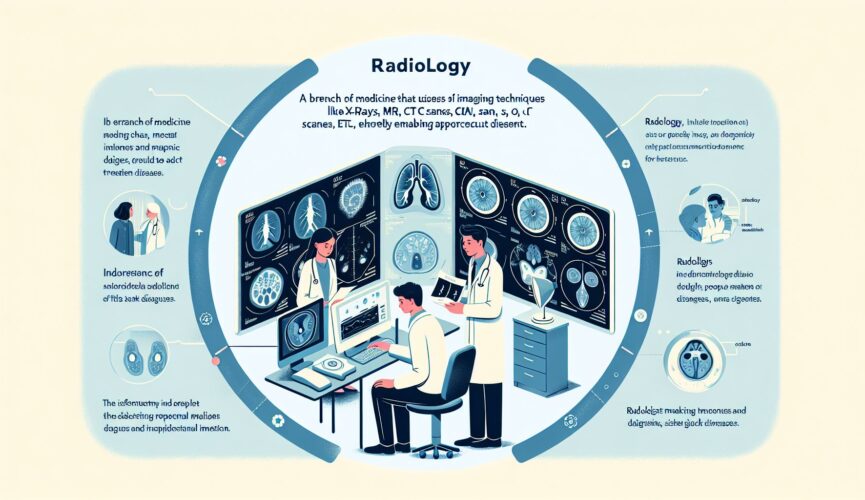
When a loved one falls ill, it can be a stressful and overwhelming time for both the sick individual and their family members. In these cases, medical imaging, specifically radiology, plays a crucial role in the diagnosis and treatment of various medical conditions. Radiology is a branch of medicine that uses imaging techniques such as X-rays, computed tomography (CT) scans, and magnetic resonance imaging (MRI) to visualize the inside of the body. These imaging tests allow healthcare providers to see inside the body and identify any abnormalities or issues that may be present.

For individuals with sick family members, understanding the role of radiology in their loved one’s healthcare journey can provide reassurance and clarity during a difficult time. In this article, we will explore what radiology is, why it is important for people with sick family members, and how these imaging techniques can help in the diagnosis and treatment of various medical conditions.

The Role of Radiology in Healthcare

Radiology plays a vital role in modern healthcare by providing healthcare providers with detailed images of the inside of the body. These images can help in the diagnosis, monitoring, and treatment of a wide range of medical conditions, including fractures, tumors, infections, and other abnormalities. By visualizing the inside of the body, radiology can help healthcare providers make informed decisions about a patient’s care and treatment plan.

There are several types of imaging techniques used in radiology, each offering unique advantages and capabilities. X-rays are commonly used to visualize bones and detect fractures or other bone abnormalities. CT scans provide detailed cross-sectional images of the body, allowing healthcare providers to detect tumors, internal bleeding, and other conditions. MRI scans use powerful magnets and radio waves to create detailed images of soft tissues, organs, and blood vessels, making them useful for diagnosing conditions such as brain tumors, spinal cord injuries, and joint disorders.

The Importance of Radiology for People with Sick Family Members

For people with sick family members, radiology plays a crucial role in the diagnosis and treatment of their loved one’s medical condition. Imaging tests such as X-rays, CT scans, and MRIs can help healthcare providers identify the underlying cause of a patient’s symptoms, determine the extent of a disease or injury, and monitor the effectiveness of treatment. By providing healthcare providers with detailed images of the inside of the body, radiology can help ensure timely and accurate diagnosis, leading to better outcomes for patients.

In cases where a family member is sick, understanding the role of radiology can provide peace of mind and help family members feel more informed and involved in their loved one’s care. By knowing what to expect from imaging tests and how they can help in the diagnosis and treatment process, family members can better support their loved one during this challenging time.

How Radiology Can Help in the Diagnosis and Treatment of Medical Conditions

Imaging tests such as X-rays, CT scans, and MRIs play a crucial role in the diagnosis and treatment of various medical conditions. These tests can help healthcare providers identify conditions such as fractures, tumors, infections, and other abnormalities that may be causing a patient’s symptoms. By visualizing the inside of the body, radiology can provide valuable information that can guide treatment decisions and help ensure the best possible outcome for patients.

In some cases, imaging tests can also help healthcare providers monitor the progression of a disease or the effectiveness of a treatment. For example, CT scans can track the growth of a tumor over time, allowing healthcare providers to adjust treatment plans as needed. By providing healthcare providers with detailed images of the inside of the body, radiology can help ensure that patients receive timely and appropriate care for their medical condition.

Conclusion

In conclusion, radiology is a critical component of modern healthcare that plays a crucial role in the diagnosis and treatment of various medical conditions. For people with sick family members, understanding the role of radiology can provide reassurance and clarity during a challenging time. By visualizing the inside of the body, imaging tests such as X-rays, CT scans, and MRIs can help healthcare providers identify the underlying cause of a patient’s symptoms, determine the extent of a disease or injury, and monitor the effectiveness of treatment.

As family members of sick individuals, being informed about the role of radiology can help us better support our loved ones and actively participate in their care. By recognizing the importance of radiology in the diagnosis and treatment process, we can ensure that our sick family members receive the best possible care and achieve the best possible outcomes.

Navigation