Category: Default

Medical Technologies: Revolutionizing Healthcare and Saving Lives

Healthcare and Saving Lives

In recent years, there have been remarkable advancements in medical technologies that have revolutionized the healthcare industry. These innovative tools and techniques have not only enhanced disease prevention and diagnosis but also saved countless lives. As consumers looking to understand diseases and disease prevention, it is crucial to stay informed about the groundbreaking medical technologies that work tirelessly to keep us healthy and improve our quality of life.

Introduction to Medical Technologies

Medical technologies encompass a wide range of instruments, equipment, and procedures that aid in the prevention, diagnosis, and treatment of diseases. They play a vital role in augmenting the capabilities of healthcare professionals, enabling them to provide more accurate and efficient care. Medical technologies encompass various fields, such as imaging, diagnostics, telemedicine, robotic surgeries, and biotechnology, each contributing to the advancement of healthcare.

Imaging Technologies: Seeing Inside the Human Body

Imaging technologies have revolutionized the way diseases are diagnosed, offering healthcare professionals an unprecedented view inside the human body. Techniques such as X-ray, Magnetic Resonance Imaging (MRI), Computed Tomography (CT), and Ultrasound have significantly improved the accuracy of detecting diseases, leading to earlier intervention and better outcomes for patients.

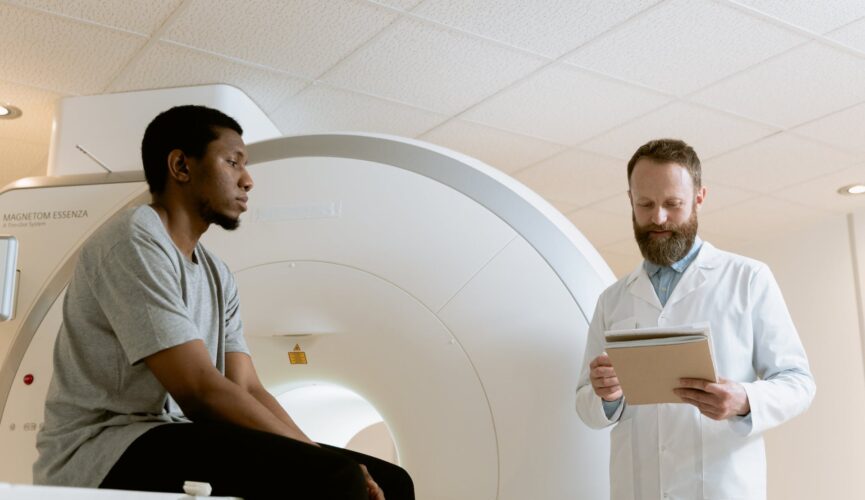
For instance, MRI scans utilize powerful magnets and radio waves to generate detailed images of the body’s internal structures. This breakthrough technology allows healthcare providers to identify abnormalities in vital organs, tissues, or bones more accurately. By detecting diseases like cancer at an early stage, clinicians can intervene promptly and enhance the chances of successful treatment.

Diagnostics: Test to Triumph

Diagnostics technologies have made remarkable strides in disease detection and monitoring, playing a pivotal role in early intervention and effective treatment strategies. The advent of Point-of-Care Testing (POCT) devices has revolutionized diagnostic capabilities, providing rapid and accurate results at the patient’s bedside, clinic, or even within remote areas.

Additionally, advancements in molecular diagnostics have allowed healthcare professionals to identify specific genetic markers associated with various diseases. Polymerase Chain Reaction (PCR) technology, for example, enables the amplification and detection of small sections of DNA, aiding in the diagnosis of genetic disorders and infectious diseases. By identifying diseases promptly, medical professionals can swiftly initiate appropriate treatment plans, saving lives and preventing further complications.

Telemedicine: Connecting Patients and Providers

In recent years, telemedicine has emerged as a game-changing technology that bridges the gap between patients and healthcare providers, particularly in remote areas without easy access to medical facilities. Telemedicine offers virtual consultations, remote monitoring, and digital health records, enabling patients to receive timely medical advice, monitoring, and follow-ups from the comfort of their homes.

This technology has proven to be invaluable during the ongoing global pandemic, where minimizing physical contact is essential for containing the spread of contagious diseases. Telemedicine not only prevents unnecessary exposure to healthcare settings but also allows patients to receive expert medical advice regardless of geographical barriers. It has truly transformed the way healthcare is delivered, ensuring patients receive the care they need promptly.

Robotic Surgeries: Precision and Efficiency Unleashed

Robotic surgeries have revolutionized surgical interventions, granting surgeons enhanced precision, improved outcomes, and reduced recovery times. With the assistance of robotic systems, surgeons can perform complex procedures with improved dexterity and visualization, leading to fewer complications for patients.

Moreover, robotic surgery allows for minimally invasive procedures, where incisions are smaller, leading to faster healing and reduced scarring. This technology has particularly been beneficial in delicate surgeries, such as heart, prostate, or neurosurgeries, where precision is critical to success. While the surgeon remains in complete control, the robotic system provides unparalleled assistance, making surgeries safer and more efficient.

Biotechnology: Revolutionizing Drug Development

The field of biotechnology has made groundbreaking contributions in drug development, revolutionizing the treatment of various diseases. Biotechnological advancements have enabled the production of genetically engineered medicines, offering targeted therapies and personalized treatments.

These remarkable advancements are particularly evident in the field of oncology. For instance, immunotherapy has emerged as a promising approach in cancer treatment, utilizing the body’s immune system to combat cancer cells. This revolutionary development has significantly increased survival rates and improved the quality of life for cancer patients.

Conclusion

The evolution of medical technologies has brought about tremendous advancements in disease prevention, diagnosis, and treatment. From imaging technologies providing a clear view inside the human body to telemedicine enabling remote consultations, these innovations have transformed the healthcare landscape and saved countless lives. By staying informed about these developments, we can make educated decisions about our health and fully grasp the tremendous impact these medical technologies have in maintaining and improving our well-being. As technology continues to advance, we can look forward to even more extraordinary breakthroughs in the medical field, paving the way for a healthier and brighter future for all.

#7 Life-Saving Medical Technologies Revolutionizing Healthcare

Life-Saving Medical Technologies

As advancements in medical technologies continue to accelerate, healthcare has experienced tremendous transformations. From groundbreaking innovations in surgical procedures to state-of-the-art imaging equipment, these medical technologies have revolutionized disease prevention, diagnosis, and treatment. In this article, we will explore some of the remarkable technologies that have saved countless lives and empowered healthcare professionals to combat diseases with precision and effectiveness.

Introduction

The world of healthcare has long been intertwined with technological advancements. The advent of medical technologies has not only enhanced the capabilities of healthcare providers but has proved to be a beacon of hope for patients facing various diseases and conditions. With that being said, let’s delve into the life-saving medical technologies that have taken healthcare to new heights.

Early Disease Detection and Diagnosis

Timely and accurate detection of diseases is crucial for successful treatment outcomes. Advanced technologies in medical imaging, such as Magnetic Resonance Imaging (MRI) and Computed Tomography (CT), have revolutionized diagnostic capabilities. These imaging techniques provide detailed cross-sectional and three-dimensional images of the body, aiding in the early detection and diagnosis of a wide range of conditions, including cancer, cardiovascular diseases, and neurological disorders.

Molecular diagnostic techniques, another significant breakthrough, assist in identifying diseases at the genetic level. Polymerase Chain Reaction (PCR) allows for the amplification and detection of specific DNA sequences, facilitating the early detection of viral infections like HIV and Hepatitis B. Similarly, genetic testing has paved the way for personalized medicine, enabling healthcare professionals to tailor treatments based on an individual’s genetic makeup.

Minimally Invasive Surgical Procedures

Gone are the days when invasive surgeries required large incisions and extended recovery periods. Minimally invasive surgical procedures have turned the tables, ensuring quicker recovery times and fewer post-operative complications. Techniques such as laparoscopy and robotic-assisted surgery have become increasingly popular.

Laparoscopic procedures involve making small incisions and inserting a thin tube with a camera, allowing surgeons to visualize the operating field in real-time. This approach minimizes trauma, reduces scarring, and accelerates recovery. On the other hand, robotic-assisted surgery combines the precision of robotics with the surgeon’s expertise, enhancing dexterity and control during complex procedures.

Remote Patient Monitoring and Telehealth

Technological advancements have also bridged the gap between patients and healthcare providers, especially during the ongoing COVID-19 pandemic. Remote patient monitoring devices have played a vital role in tracking patients’ health conditions from the comfort of their homes. These devices, such as smartwatches and wearable sensors, monitor vital signs, oxygen levels, and even detect irregularities, instantly alerting healthcare professionals in case of emergencies.

Telehealth, another technology-driven solution, facilitates remote consultations and medical advice. Patients can connect with healthcare providers through video calls or virtual platforms, eliminating the need for physical appointments, thereby increasing accessibility and saving valuable time. Telehealth has proven to be a boon for patients residing in remote areas or those with limited mobility.

Artificial Intelligence (AI) in Healthcare

Artificial Intelligence (AI) has taken the healthcare industry by storm. By harnessing the power of machine learning and data analysis, AI has transformed disease prevention, diagnosis, treatment, and drug development. AI algorithms can sift through vast amounts of medical data, spotting patterns and predicting diseases with remarkable accuracy.

Diagnostic AI tools, such as Computer-Aided Diagnosis (CAD) systems, assist radiologists in analyzing medical images, reducing misinterpretations and assisting in the identification of potential abnormalities. AI algorithms also play a pivotal role in drug discovery, accelerating the identification of potential compounds and predicting their efficacy in treating various diseases, including cancer and neurological disorders.

Advanced Prosthetics and Rehabilitation Technologies

In addition to disease prevention and treatment, medical technologies have also revolutionized the field of rehabilitation and improved the lives of individuals with disabilities. Advanced prosthetics with sensory feedback systems can mimic natural movements, enabling amputees to regain mobility and experience a better quality of life.

Virtual reality-based technologies have found applications in neurorehabilitation, aiding in the recovery of patients with stroke and paralysis. By creating immersive environments, virtual reality exercises stimulate neural pathways, facilitating recovery and motor function improvement. These innovations have truly been life-changing for countless individuals worldwide.

Conclusion

The rapid advancement of medical technologies has ushered in a new era of healthcare, marked by improved disease prevention, early detection, accurate diagnosis, and more targeted treatment approaches. From the utilization of AI algorithms in diagnostics to the advent of minimally invasive surgical procedures, these lifesaving technologies have transformed the healthcare landscape and saved countless lives.

As we move forward, it is crucial to embrace these innovations and continue supporting research and development in the field of medical technologies. By doing so, we can enhance disease prevention strategies, provide quicker and more accurate diagnoses, and ultimately save more lives, empowering both healthcare providers and patients alike.

Medical Technologies that Save Lives

Medical Technologies Save Lives

In today’s advanced era of modern medicine, we are fortunate to have access to an array of medical technologies that have revolutionized healthcare. These groundbreaking innovations have not only transformed the way diseases are diagnosed and treated but also have significantly contributed to disease prevention. In this article, we will explore some of the most remarkable medical technologies that are saving lives and empowering consumers with a better understanding of diseases.

Introduction to Medical Technologies

Medical technologies encompass a wide range of cutting-edge tools, techniques, and devices used in the field of healthcare. These technologies empower healthcare professionals to accurately diagnose diseases, treat conditions, and provide efficient patient care. By harnessing the power of medical technologies, both doctors and patients can work together to improve health outcomes and even prevent life-threatening illnesses.

Diagnostic Imaging: A Window into the Body

One of the most remarkable advancements in medical technology has been the development of diagnostic imaging techniques. These imaging modalities provide healthcare professionals with a non-invasive way to visualize the body’s internal structures and identify any abnormalities. Technologies such as X-rays, computed tomography (CT) scans, magnetic resonance imaging (MRI), and ultrasound have transformed the field of radiology.

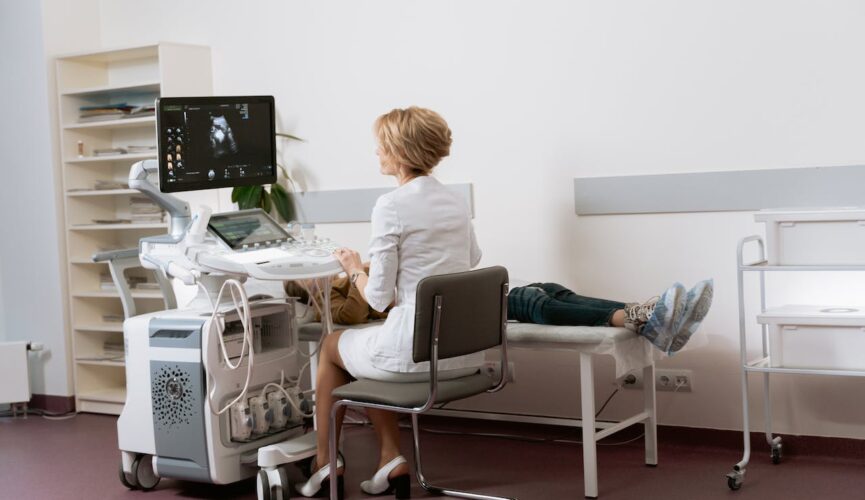
X-rays, the oldest form of diagnostic imaging, use small amounts of radiation to create images of bones and tissues. CT scans, on the other hand, produce highly detailed 3D images of the body by combining multiple X-ray images taken from different angles. MRI, utilizing a powerful magnetic field and radio waves, produces detailed images of soft tissues, including the brain and internal organs. Finally, ultrasound uses high-frequency sound waves to create real-time images, making it valuable in pregnancy and cardiovascular diagnostics.

By enabling doctors to visualize diseases and conditions, diagnostic imaging technologies have played a pivotal role in facilitating early detection, accurate diagnoses, and timely interventions, ultimately saving countless lives.

Minimally Invasive Surgery: Precision and Speed

Traditional surgery often involves large incisions, longer recovery periods, and higher risks of complications. However, medical technology has paved the way for minimally invasive surgical procedures that offer improved precision, faster recovery times, and better outcomes for patients.

Laparoscopy is a type of minimally invasive surgery that involves making small incisions through which a tiny camera and surgical instruments are inserted. This technique has been widely utilized in procedures such as appendectomy, gallbladder removal, and even complex surgeries like gastric bypass surgery. Similarly, robotic-assisted surgery combines the skill of the surgeon with the precision and dexterity of a robotic system. This technology allows for highly precise movements, reducing the risk of complications and speeding up postoperative recovery.

By enabling healthcare professionals to perform surgeries with minimal trauma to the body, these innovative technologies are not only saving lives but also improving the quality of life for patients around the world.

Telemedicine: Bridging the Gap

In recent years, telemedicine has emerged as a revolutionary medical technology that has brought healthcare closer to patients, regardless of their location. By incorporating video conferencing, wearable devices, and remote monitoring, telemedicine enables patients to consult with healthcare professionals without the need for a physical visit.

Through telemedicine, patients in remote areas can access specialists and receive timely medical opinions. This technology has proven to be particularly invaluable in emergency situations where quick diagnosis and intervention are crucial. Moreover, telemedicine allows for continuous monitoring of patients with chronic conditions, enabling healthcare providers to detect potential issues early on and intervene promptly.

By bridging geographical barriers and increasing access to healthcare, telemedicine has the potential to save countless lives, especially in underserved communities with limited healthcare resources.

Personal Health Monitoring: Empowering Individuals

Traditionally, healthcare was reactive, with doctors only addressing diseases after their onset. However, the rise of personal health monitoring technologies has shifted the focus from reactive to proactive healthcare.

Wearable devices, such as smartwatches and fitness trackers, have become increasingly popular among consumers. These devices can continuously monitor an individual’s heart rate, sleep patterns, activity levels, and even track certain health conditions. Through the use of mobile apps, users can gain insights into their health metrics and make informed decisions to improve their well-being.

Additionally, genetic testing has seen significant advancements, allowing individuals to gain insights into their genetic predisposition for various diseases. Armed with this information, individuals can modify their lifestyle and take preventive measures to reduce their risk of developing certain diseases.

By empowering individuals to take charge of their health, personal health monitoring technologies provide a proactive approach to disease prevention, potentially saving lives and improving overall well-being.

Conclusion

Medical technologies have revolutionized healthcare, transforming the way diseases are diagnosed, treated, and prevented. From diagnostic imaging techniques that provide a window into the body to minimally invasive surgical procedures that offer precision and speed, and from telemedicine that bridges gaps in healthcare access to personal health monitoring technologies that empower individuals, these groundbreaking innovations have reshaped the landscape of medicine.

As consumers, it is essential to stay informed about these medical technologies that are saving lives. By understanding and embracing these advancements, we can actively participate in our own healthcare journey, enabling us to live healthier lives and ultimately, contributing to disease prevention on both an individual and societal level.

Medical Technologies that Save Lives: A Peek into Disease Prevention and Treatment

Medical Technologies

In today’s era, medical technologies have revolutionized healthcare, offering unprecedented ways to understand diseases and enhance disease prevention. These innovative tools and techniques have undoubtedly molded the landscape of modern medicine, playing a crucial role in saving countless lives worldwide. In this article, we will explore some of the most remarkable medical technologies that contribute to disease prevention and treatment, shedding light on their profound impact on the field of healthcare.

Unveiling the Wonders of Imaging Technologies

One of the most remarkable advancements in medical technology lies within the realm of imaging. These cutting-edge techniques not only enable healthcare professionals to visualize the intricacies of the human body, but they also assist in early disease detection. Magnetic Resonance Imaging (MRI), Computed Tomography (CT) scans, and X-rays are just a few examples of diagnostic tools that have transformed the field.

MRI scanners utilize powerful magnets and radio waves to create detailed images of the body’s internal organs and tissues. By providing a clear view of abnormalities, such as tumors or lesions, MRI helps doctors make accurate diagnoses and plan appropriate treatments. Similarly, CT scans employ a series of X-rays from different angles to generate cross-sectional images, allowing physicians to detect various conditions, including lung cancer, brain disorders, and cardiovascular diseases.

These imaging technologies have revolutionized disease prevention by enabling physicians to identify potential health risks at an early stage, often saving lives through prompt intervention.

Mastering Genomics for Personalized Medicine

Advancements in genomics have unlocked a new realm of possibilities in disease prevention and treatment. The Human Genome Project, completed in 2003, marked a milestone in unraveling the genetic blueprint of human beings. This breakthrough has paved the way for personalized medicine, tailoring healthcare to an individual’s unique genetic makeup.

Sequencing the DNA of patients allows healthcare practitioners to identify genetic markers associated with inherited diseases and susceptibilities to certain conditions. Armed with this knowledge, they can create personalized treatment plans, optimizing medications, dosages, and therapies to suit individual patients.

Furthermore, genomics has been instrumental in the realm of cancer treatment. By analyzing the genetic mutations specific to a patient’s tumor, oncologists can prescribe targeted therapies that have a greater chance of effectively eradicating the cancer cells. As a result, patients experience improved outcomes and reduced side effects, all thanks to the potential of genomics in healthcare.

The Power of Telemedicine in Disease Management

Telemedicine, the fusion of healthcare and technology, has emerged as a game-changer, particularly in recent times. This revolutionary approach facilitates remote access to medical expertise, breaking down geographical barriers and ensuring that patients receive timely care.

Through telemedicine, patients can consult with healthcare professionals via video calls, minimizing the need for physical visits. This not only saves time and money but is also particularly invaluable for individuals residing in remote areas with limited access to healthcare services.

During the ongoing COVID-19 pandemic, telemedicine has played a vital role in reducing the risk of infection by allowing patients to consult with medical professionals without being physically present in healthcare facilities. By harnessing the power of communication technologies, telemedicine ensures that disease prevention and management remain uninterrupted, even in times of crisis.

Innovations in Surgical Techniques: Minimally Invasive Procedures

Advancements in medical technologies have revolutionized the field of surgery. Traditional open surgeries, which often involve large incisions and long recovery times, are increasingly being replaced by minimally invasive procedures, thanks to the advent of innovative tools and techniques.

Laparoscopic surgeries, for example, have transformed the landscape of abdominal surgeries. Instead of making large incisions, surgeons create tiny keyhole-sized openings, through which they insert a camera and specialized instruments. This approach reduces postoperative pain, lowers the risk of complications, and shortens hospital stays, ultimately improving patients’ quality of life.

Similarly, robotics-assisted surgeries have gained popularity in recent years. With the assistance of robots, surgeons can perform complex procedures with enhanced precision, minimizing the potential for human error. These robotic systems provide a greater range of motion and magnified 3D visualization, allowing surgeons to accomplish intricate tasks with utmost accuracy.

Concluding Remarks

As medical technologies continue to evolve at an exponential pace, the future of healthcare looks brighter than ever. From groundbreaking imaging techniques to personalized medicine, and from telemedicine to minimally invasive procedures, these advancements have indubitably saved countless lives by enhancing disease prevention and treatment.

It is imperative for healthcare professionals and consumers alike to stay updated with these breakthroughs. By embracing the potential of medical technologies, we can shape a healthier and more efficient healthcare system, ensuring that the benefits of these advancements reach every individual in need.

So, let us marvel at the wonders of medical technologies and embrace them as vital tools in our quest for a healthier, happier, and disease-free world.

Conditions for Donors and Patients Stem Cell Transplant Match

Stem Cell

Stem cell transplants: the incredible journey from one person to another. But what does it take to be a match? It’s not as simple as ABC. Let’s uncover the requirements for donors and patients to be a perfect stem cell duo. Get ready to dive into some interesting transplant talk!

Donor Conditions

First and foremost, the donor must be healthy and free from any infectious diseases that could potentially harm the patient receiving the transplant. This means no colds, flu, or even allergies. Sorry, hay fever sufferers, your pollen allergies may make you sneeze but it could also make you ineligible to donate.

In many locations, donors usually need to fall within the age range of 18 to 60. Hence, if you are in your later years and eager to make a significant contribution, we regret to inform you that this opportunity may not align with your current circumstances.

If you’ve got serious health conditions like heart disease, cancer, or autoimmune disorders, well, tough luck. No medical pro wants to play a game of health roulette, risking your well-being just to lend a hand to someone else. And of course, they wouldn’t dare put the stem cell recipient’s health on the line either. Safety first, folks.

Patient Conditions

Now let’s talk about the patient’s perspective. Rule number one: The recipient must have a disease or condition worthy of the miraculous powers of a stem cell transplant. Otherwise, we might as well be sipping piƱa coladas on a beach somewhere. Let’s not waste our time playing doctor.

In addition, patients must be in good shape and ready to tackle the rigorous treatment process. The transplant procedure is no stroll in the park, so you better be prepared to handle the demands it brings. After all, it’s not a walk in the park, it’s a dance in the storm.

Another vital factor is the patient’s age. When it comes to patients in need of transplants, age knows no bounds. Unlike donors who have an age limit, patients can range from young to old (within reason). However, age does hold influence on the success rate of the transplant. The younger the patient, the more resilient their body becomes, paving the way for a more promising outcome.

Making a Match

Now that you’re in the know about the basic requirements for donors and patients, let’s unravel the mysterious art of matching them together. It’s not just a matter of blood type compatibility – oh no, there’s a whole hidden world to explore!

First, let’s start by testing tissue compatibility, specifically human leukocyte antigens (HLAs). These amazing antigens are found on the surface of cells and play a vital role in helping our immune system identify foreign cells. The closer the match of these HLAs between the donor and patient, the greater the chance for a successful transplant.

Besides HLA matching, doctors also consider factors like gender, age, and blood type when selecting a donor. And honestly, wouldn’t it be nice to know their hair color or favorite food if you were going to receive someone else’s cells? Just a little something to make the connection feel more personal. Just kidding…kind of.

When a Stem Cell Transplant Match is made, it’s truly an incredible achievement. Two individuals unite for a life-saving procedure, their cells harmonizing flawlessly. Let’s applaud the incredible donors and patients who have met the conditions, enabling stem cell transplants. For those not eligible yet, take care and explore alternative ways to become a hero!

Read More: Medical Technologies that Save Lives: Understanding Diseases and Disease Prevention

Lifesaving Medical Technologies: A Spotlight on Disease Prevention

Spotlight Disease Prevention

With the advancement of medical technologies, the fight against diseases has taken a leap forward. From early detection to precise treatment, cutting-edge innovations are saving lives and revolutionizing healthcare. In this article, we will explore some of these remarkable medical technologies that have significantly contributed to disease prevention.

Early Disease Detection: Saving Lives One Test at a Time

Early detection plays a pivotal role in successful disease prevention. Thanks to medical technologies such as molecular diagnostics and genetic testing, diseases can be identified at their earliest stages, often before symptoms even appear.

Molecular diagnostics involves the study of individual molecules to detect specific genetic information or biomarkers linked to diseases. This allows healthcare professionals to identify diseases like cancer, infectious diseases, and genetic disorders with exceptional accuracy. By diagnosing diseases early, patients can start treatment earlier, significantly improving their chances of survival and recovery.

Genetic testing, on the other hand, examines an individual’s DNA to identify genetic variants associated with various diseases. This technology not only allows healthcare providers to determine an individual’s predisposition to certain diseases but also helps them develop personalized prevention plans. By analyzing genetic data, doctors can recommend lifestyle changes or medical interventions tailored to an individual’s unique genetic makeup, reducing the risk of developing certain diseases.

Precision Medicine: Revolutionizing Disease Treatment

Once a disease has been diagnosed, medical technologies are further improving treatment outcomes through precision medicine. Traditionally, healthcare providers relied on a one-size-fits-all approach to treatment, assuming that individuals with the same disease would respond similarly to the same treatments. However, precision medicine recognizes that every patient is unique and tailors treatment plans accordingly.

One example of precision medicine is pharmacogenomics, which analyzes a person’s genetic makeup to determine how they may respond to specific medications. By studying an individual’s genetic variations, healthcare professionals can predict drug efficacy and potential side effects. This knowledge enables doctors to choose the most suitable medication and dosage for a particular patient, improving treatment effectiveness while minimizing adverse reactions.

Another groundbreaking technology in precision medicine is targeted therapy, which involves using drugs or other substances to block specific molecules involved in the growth and spread of diseases. Unlike conventional chemotherapy that indiscriminately attacks both healthy and cancerous cells, targeted therapies can directly interfere with the action of cancer cells while sparing healthy cells. This remarkable advancement not only enhances treatment efficacy but also reduces the harmful side effects associated with traditional cancer treatments.

Wearable Medical Devices: Empowering Personal Health Management

As the saying goes, prevention is better than cure. This adage holds true in healthcare as well. Medical technologies like wearable devices are empowering individuals to take control of their health and detect potential problems before they escalate.

Wearable medical devices, such as fitness trackers and smartwatches, offer continuous monitoring of vital signs, activity levels, and sleep patterns. By collecting real-time data, these devices provide valuable insights into an individual’s overall health. In some cases, they can even identify warning signs of potential health issues.

For instance, certain wearable devices can monitor heart rate, enabling users to detect irregularities that may suggest an underlying cardiac condition. By providing early warnings, individuals can seek medical attention promptly, potentially preventing life-threatening events like heart attacks or strokes.

Moreover, wearable technology is increasingly being integrated with disease-specific apps and platforms. For example, individuals with diabetes can track their blood glucose levels using wearable devices connected to mobile applications. These apps not only display real-time readings but also analyze the data, provide personalized recommendations, and even alert users of critical values. Such technologies empower patients to actively manage their conditions, improve their quality of life, and reduce the risks associated with uncontrolled diseases.

Conclusion: A Healthy Future Awaits

Medical technologies have undoubtedly transformed the field of disease prevention. From early disease detection through molecular diagnostics and genetic testing to personalized treatments in precision medicine, and the empowerment offered by wearable medical devices, our ability to safeguard health is rapidly advancing.

As technology continues to evolve, healthcare professionals, researchers, and engineers are joining forces to develop even more lifesaving innovations. With these groundbreaking medical technologies at our disposal, we are moving towards a healthier future. So let us embrace these innovations, take charge of our health, and work together to prevent diseases and save lives.

Note: This article is for informational purposes only and should not substitute professional medical advice. If you have concerns about your health, consult a healthcare professional.

Medical Technologies that Save Lives: Understanding Diseases and Disease Prevention

Advancements in medical technologies have revolutionized the field of healthcare, leading to better disease understanding and life-saving interventions. Today, we will shed light on some remarkable medical technologies that have played a critical role in saving lives while helping consumers comprehend diseases and disease prevention.

Introduction

The complexity of diseases and their prevention can often be overwhelming, leaving consumers yearning for clear insights and effective solutions. Thankfully, medical technologies have emerged as powerful tools to provide precise diagnoses, enhanced treatments, and preventive measures. In this article, we will explore some of the innovative medical technologies that are saving lives and empowering individuals to take control of their health.

Body

1. Molecular Diagnostics

Molecular diagnostics represents a landmark advancement in disease understanding, enabling healthcare professionals to analyze genetic markers and identify diseases at their earliest stages. By examining our DNA, this technology helps detect genetic abnormalities, inherited diseases, and predispositions to certain conditions. The ability to identify diseases before symptoms appear allows for early intervention, optimizing treatment outcomes.

2. Wearable Devices

Health wearables have become increasingly popular among consumers seeking proactive disease prevention. These devices, such as fitness trackers and smartwatches, offer real-time data about vital signs, physical activity levels, and sleep patterns. By monitoring heart rate, blood pressure, and other health metrics, individuals can identify potential health issues and modify their lifestyle accordingly. Moreover, wearable devices often include integrated reminders for medication adherence, ensuring personalized disease management.

3. Telemedicine

Telemedicine has emerged as a game-changer for individuals unable to access timely medical care due to geographical constraints or limited mobility. This technology allows patients to connect with healthcare professionals remotely, seeking advice, diagnosis, and treatment through virtual consultations. With telemedicine, individuals can access healthcare expertise from the comfort of their homes, eliminating the need for time-consuming and often costly hospital visits. Furthermore, telemedicine enables remote patient monitoring, ensuring timely interventions and minimizing complications.

4. Precision Medicine

Precision medicine tailors treatment plans to individuals based on their unique genetic profile, lifestyle, and environmental factors. By leveraging advanced technologies, such as genetic sequencing and artificial intelligence, precision medicine enables healthcare professionals to predict the likelihood of disease development, select the most effective medications, and determine optimal treatment dosages. This personalized approach minimizes adverse effects while maximizing treatment efficacy, ultimately saving lives and providing patients with targeted therapies.

5. Robotic Surgery

Robotic surgery has revolutionized surgical interventions by increasing precision, reducing invasiveness, and shortening recovery times. Surgeons control robotic arms equipped with miniature surgical tools, enhancing their dexterity and enabling complex procedures with minimal incisions. This minimally invasive approach reduces the risk of infection, accelerates healing, and reduces hospital stays. Robotic surgery is now being utilized for a wide range of procedures, including cardiac surgeries, tumor removals, and joint replacements.

6. Artificial Organs

For individuals facing organ failure, artificial organs offer a lifeline while waiting for an appropriate organ transplant. Technological advancements have paved the way for the development of artificial hearts, kidneys, livers, and lungs. These devices can temporarily assist failing organs or serve as a bridge until a suitable donor organ becomes available. Artificial organs have not only extended and saved countless lives but have also provided valuable insights for researchers, contributing to our understanding of complex diseases and improving future treatment options.

Conclusion

Medical technologies have empowered individuals with enhanced disease understanding, preventive measures, and life-saving interventions. From molecular diagnostics to wearable devices, telemedicine to precision medicine, robotic surgery to artificial organs, these medical breakthroughs have revolutionized healthcare, saving lives, and improving patient outcomes. As consumers, it is vital that we embrace these advancements, leverage them to safeguard our health, and work in collaboration with healthcare professionals to create a healthier future for all.

Medical Technologies That Save Lives

In today’s fast-paced world, medical technologies have revolutionized the way we diagnose, treat, and prevent diseases. These groundbreaking advancements have not only enhanced the quality of healthcare but have also saved countless lives. From early detection to cutting-edge treatments, let’s explore some of the medical technologies that are making a significant difference in disease prevention and management.

Introduction

The healthcare industry has made remarkable progress over the years, thanks to the constant evolution of medical technologies. These innovative tools and techniques play a vital role in saving lives by helping healthcare professionals diagnose diseases accurately, administer effective treatments, and enable timely preventative measures. In this article, we delve into a few medical technologies that have made a significant impact in disease prevention and management.

Early Detection and Diagnosis

One of the most crucial aspects of disease prevention is early detection. Thanks to advancements in medical technologies, identifying diseases at an early stage has become more feasible than ever before. The introduction of imaging technologies, such as magnetic resonance imaging (MRI) and computed tomography (CT) scans, have revolutionized the field of medical diagnostics.

MRI scans provide detailed images of the body’s internal structures, aiding in the diagnosis of various conditions, including tumors, strokes, and brain injuries. CT scans, on the other hand, employ X-ray beams to create cross-sectional images of organs and tissues, enabling physicians to identify abnormalities.

Moreover, molecular diagnostics have emerged as a game-changer in early disease detection. These technologies allow healthcare professionals to analyze genetic and protein markers to identify the presence of diseases and conditions at the molecular level. Through these advancements, diseases like cancer, genetic disorders, and infectious diseases can be detected in their earliest stages, significantly improving treatment outcomes.

Precision Medicine

Gone are the days of one-size-fits-all treatments. The advent of precision medicine has transformed the landscape of healthcare. This approach involves tailoring medical treatments and preventive measures to individual characteristics, including genetics, environment, and lifestyle. By considering these personalized factors, healthcare providers can administer the most effective treatments while minimizing potential side effects.

Genomic medicine, a key aspect of precision medicine, focuses on analyzing an individual’s genes for disease risks, allowing for targeted prevention strategies and earlier intervention. Genetic testing has revealed valuable insights into inheritable diseases, enabling healthcare professionals to identify patients who may be at a higher risk. This knowledge empowers individuals to make informed decisions about their healthcare, thereby preventing or effectively managing diseases.

Telemedicine and Remote Monitoring

In recent years, telemedicine has gained significant traction, especially amidst the ongoing global pandemic. This technology allows patients to consult with healthcare professionals remotely through secure video conferencing, eliminating the need for in-person visits. Telemedicine has revolutionized healthcare access, particularly for individuals living in remote areas or with limited mobility.

Moreover, telemedicine has enabled remote patient monitoring, a valuable tool in disease prevention and management. Patients with chronic conditions can utilize wearable devices that monitor their vital signs and transmit the data to healthcare providers in real-time. This continuous monitoring allows for early detection of any irregularities or worsening symptoms, enabling timely intervention and potentially averting life-threatening situations.

Conclusion

Medical technologies have undoubtedly transformed the healthcare landscape, saving lives and improving patient outcomes. With powerful imaging technologies, early disease detection has become more achievable, allowing for timely interventions and treatments. Precision medicine enables tailored approaches to care, ensuring the most effective treatments for individual patients. Telemedicine and remote monitoring offer greater accessibility and proactive disease management, even from the comfort of one’s home.

As medical technologies continue to advance at a rapid pace, the future of disease prevention and management holds immense promise. With ongoing research and innovation, we can look forward to even more groundbreaking discoveries that will undoubtedly save countless lives and enhance the well-being of individuals worldwide. As consumers, it is crucial to stay informed about these advancements to make the most of the available medical resources and take proactive steps towards maintaining our health.

Navigation