Category: Default

Treating Cancer Through Radiology

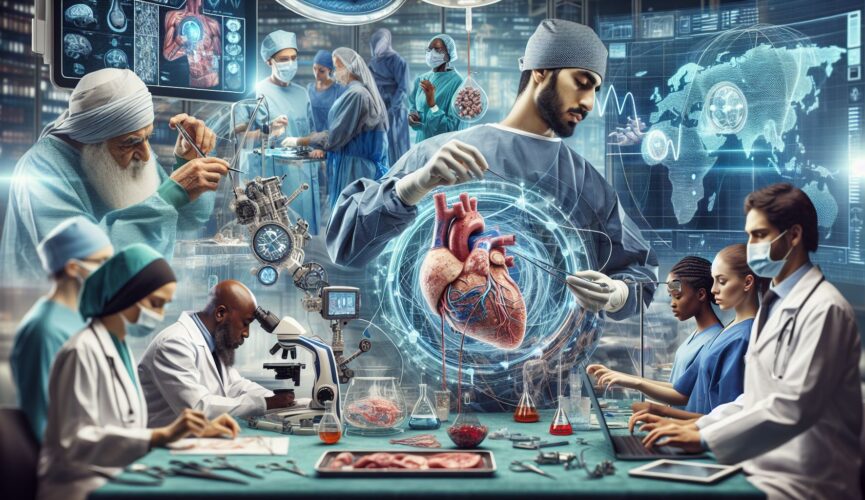
Radiology plays a crucial role in the treatment of cancer by using advanced imaging techniques to diagnose and stage the disease, as well as deliver targeted treatments to tumors. In this article, we will explore the different diseases that radiology can treat for people with cancer.

Introduction to Radiology in Cancer Treatment

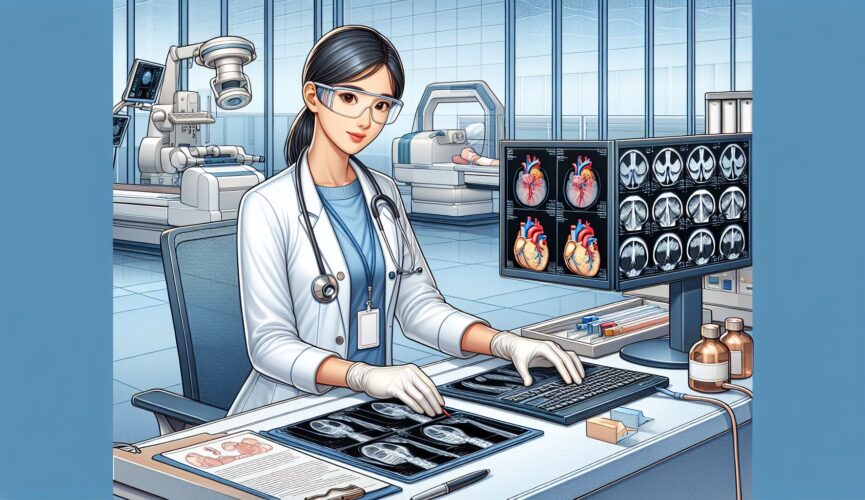
Radiology is a branch of medicine that uses medical imaging to diagnose and treat a variety of diseases, including cancer. In cancer treatment, radiology plays a key role in both diagnosis and therapy. Through various imaging techniques such as X-rays, CT scans, MRIs, and PET scans, radiologists are able to locate tumors, assess their size and spread, and determine the best course of treatment.

Diseases Treated by Radiology in Cancer Patients

Radiology is used to treat a wide range of diseases in cancer patients, including:

  1. Tumor Detection: One of the primary roles of radiology in cancer treatment is the detection of tumors. By using imaging techniques such as CT scans and MRIs, radiologists are able to locate and visualize tumors in the body, helping oncologists to determine the best treatment approach.

  2. Tumor Staging: Once a tumor is detected, radiology is used to stage the cancer, which involves determining the size of the tumor and whether it has spread to other parts of the body. This information is crucial in planning the most effective treatment strategy for the patient.

  3. Monitoring Treatment Response: During cancer treatment, radiology is used to monitor how well the treatment is working. By taking images of the tumor before, during, and after treatment, radiologists can assess whether the tumor is shrinking, growing, or staying the same size. This information helps oncologists to make any necessary adjustments to the treatment plan.

  4. Image-Guided Biopsies: Radiology is also used to guide biopsies, which involve taking a small sample of tissue from the tumor for further analysis. By using imaging techniques to precisely locate the tumor, radiologists can help ensure that the biopsy sample is taken from the most relevant area.

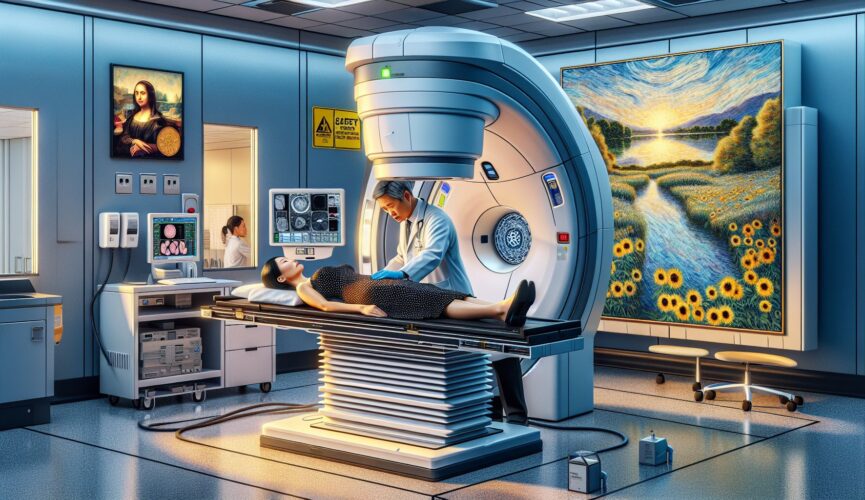
  5. Radiation Therapy: In addition to imaging, radiology is also used in delivering radiation therapy to cancer patients. Radiation therapy uses high-energy beams to target and kill cancer cells. Radiologists carefully plan the delivery of radiation to ensure that the tumor receives the maximum dose while minimizing exposure to surrounding healthy tissue.

Conclusion

In conclusion, radiology plays a critical role in the treatment of cancer by aiding in the diagnosis, staging, monitoring, and treatment of the disease. By employing advanced imaging techniques and radiation therapy, radiologists are able to target tumors with precision and improve outcomes for cancer patients. It is important for cancer patients to work closely with their healthcare team, including radiologists and oncologists, to develop a comprehensive treatment plan that takes full advantage of the benefits of radiology in cancer care.

In the fight against cancer, radiology is a powerful ally that helps guide treatment decisions and improve patient outcomes. By understanding the various diseases that radiology can treat for people with cancer, patients can take an active role in their treatment and have confidence in the care they receive.
Medical Advancements: Pioneering Hope for Sick Patients

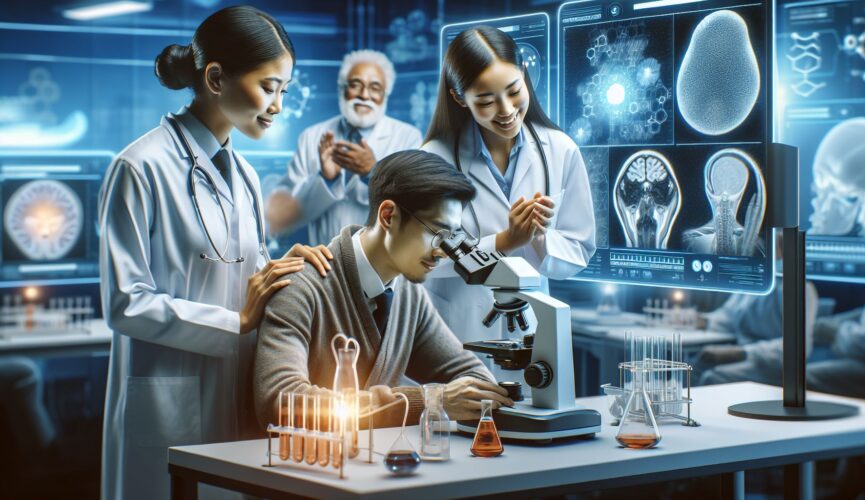
In the realm of healthcare, hope shines brightly through the incredible advancements in medical technologies and innovative recovery processes. Today, patients facing serious illnesses can find solace in knowing that cutting-edge solutions are transforming the landscape of medicine. From enhanced diagnostics to revolutionary treatments, the possibilities are expanding at an unprecedented rate. Join us as we explore various medical advancements that have the potential to empower sick patients and revolutionize their road to recovery.

Enhanced Diagnostics: Paving the Way for Targeted Treatments

Accurate and timely diagnosis is a crucial first step in any treatment plan. Thanks to recent breakthroughs in diagnostic technologies, opportunities for early detection and precise diagnostics have multiplied. One such advancement is liquid biopsy, a minimally invasive blood test that detects specific genetic mutations indicative of cancer. These non-invasive techniques spare patients from the discomfort and risks associated with traditional biopsies, making it an invaluable tool for early cancer screening and personalized therapies.

Another equally groundbreaking diagnostic advancement is the development of artificial intelligence (AI) in radiology. AI-powered algorithms analyze medical images with unmatched speed and accuracy, making it easier for doctors to detect anomalies that might be indicative of diseases such as cancer or neurological disorders. This not only accelerates the diagnostic process but also fosters early intervention, ultimately improving patient outcomes.

Innovative Therapeutic Approaches: Unleashing the Power of Precision Medicine

Precision medicine has emerged as a beacon of hope for patients, as it tailors treatments to the unique characteristics of each individual. One remarkable advancement is immunotherapy, an approach that leverages the patient’s immune system to fight cancer. By enhancing the body’s natural defenses, immunotherapy has demonstrated unprecedented success in cases that were once considered untreatable. Promising outcomes have been observed in patients with various cancers, including melanoma, lung, and breast cancer, showcasing the potential of this revolutionary therapy.

In the realm of regenerative medicine, stem cell therapy has emerged as a transformative approach. By using cells capable of self-renewal and differentiation, scientists harness the biological prowess of the human body to repair damaged tissues and organs. This technology holds immense potential for patients suffering from debilitating conditions such as spinal cord injuries or heart diseases. As research progresses, we can expect this paradigm-shifting therapy to offer new hope for individuals facing limited treatment options.

Revolutionizing Post-Operative Care: Embracing the Digital Frontier

Medical advancements are not restricted to diagnostics and treatments alone. The digital age has enabled the development of remote monitoring systems, enhancing post-operative care like never before. Wearable devices, integrated with advanced sensors, allow healthcare providers to monitor patients’ vital signs in real-time from afar. This proactive approach ensures prompt intervention in case of abnormalities, minimizing the risk of complications during recovery.

Telemedicine is another transformative development that eliminates the barriers of distance and time for patient care. Through video consultations and virtual check-ups, patients can receive medical advice and follow-up care without leaving the comfort of their homes. This not only renders healthcare more accessible but also reduces the strain on patients who are unable to travel due to their illness or location.

Conclusion: A Future Enlivened by Hope and Medical Advancements

With every passing day, medical advancements continue to redefine the boundaries of what is possible in the field of healthcare. From enhanced diagnostics to pioneering treatments and innovative post-operative care, patients are now armed with a powerful arsenal of medical technologies. These advancements provide a glimmer of hope, not only for patients facing serious illnesses but also for their loved ones.

As we embrace these advancements and acknowledge the role they play in improving patient outcomes, it is important to remember that they are the result of relentless research, collaboration, and the tireless efforts of medical professionals. Together, let us celebrate the progress made, while remaining ever-curious and supportive of the pioneering minds striving to unlock a healthier future for all.

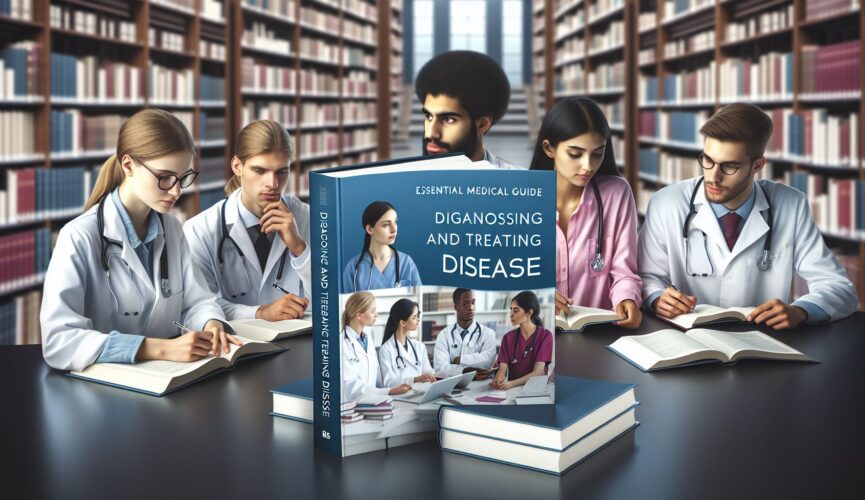
Diagnosing and Treating Disease: An Essential Guide for Medical Students

As future physicians, it is our responsibility to possess the skills and knowledge necessary to diagnose and treat diseases with utmost precision and empathy. This intricate task requires a systematic approach combined with the use of advanced medical technologies. In this blog post, we will delve into the fundamental principles of diagnosing and treating diseases, providing invaluable guidance to students of medicine.

Understanding the Diagnostic Process

Diagnosing a disease is often compared to solving a complex puzzle. It requires meticulous observation, astute interpretation of symptoms, and the consideration of numerous factors. Patient history plays a crucial role in uncovering potential underlying causes for their condition. For instance, a detailed dialogue with the patient provides valuable insights that can guide further investigations.

Once the initial assessment is complete, a physical examination should be conducted. Here, technology can aid in a comprehensive evaluation. Utilizing tools such as stethoscopes, blood pressure cuffs, and ophthalmoscopes enables us to gather essential data regarding the patient’s condition. In addition to aiding diagnosis, these technologies play a vital role in establishing a bond of trust between patients and physicians through their mere usage.

Investigating Further: Laboratory Tests and Imaging

Laboratory tests serve as an indispensable tool for medical diagnosis. Blood tests, for example, provide valuable information about a patient’s overall health, specific organ function, as well as the presence of certain diseases. Other bodily fluids, including urine and cerebrospinal fluid, can also be analyzed to gain further insight into a patient’s condition. It is essential to interpret these results in conjunction with the patient’s medical history for an accurate diagnosis.

Imaging techniques encompass a range of technologies such as X-rays, ultrasounds, CT scans, and MRIs. These non-invasive methods allow us to visualize specific areas of the body, helping to identify abnormalities, tumors, or structural damage. By integrating these technologies into our diagnostic approach, we can accurately identify the root cause of a patient’s condition and choose the most appropriate treatment modalities.

Selecting Optimal Treatment Modalities

Once the diagnosis has been established, the next critical step is devising an effective treatment plan. The approach may vary depending on the disease, the patient’s medical history, and their preferences. It is essential to frame this decision within a multidisciplinary framework, involving inputs from experts across various medical fields to attain the best outcome possible.

Pharmacological intervention is often the cornerstone of treatment. Medications can alleviate symptoms, control disease progression, and provide curative benefits in several cases. However, it is important to consider potential side effects and tailor the treatment plan to suit the individual patient.

In certain situations, surgical intervention may be necessary. Surgical treatments can correct anatomical abnormalities, remove tumors, or repair damaged organs or tissues. This requires a high level of technical skills and expertise, along with the implementation of modern surgical technologies to ensure a successful outcome.

The Power of Compassion and Continuity of Care

While medical technologies play an indispensable role in diagnosis and treatment, we must not overlook the importance of empathy and compassion. Treating a patient’s physical ailment is only one aspect of medical care. Patients also require emotional support and reassurance throughout their journey towards wellness.

Building rapport with patients and showing genuine concern for their well-being can significantly impact their overall healing process. It is vital to listen attentively, address their concerns, and communicate treatment options clearly. Establishing a sense of trust and continuity of care are paramount, as they foster patient compliance and improve overall outcomes.

In Conclusion

Diagnosing and treating diseases demands a holistic approach, combining cutting-edge medical technologies with the empathetic care patients deserve. Through careful observation, interpretation of symptoms, and the use of advanced diagnostic tools, we can successfully decipher intricate medical puzzles. Furthermore, tailoring our treatment plans to address each patient’s unique needs and employing the power of compassion during their treatment journey is crucial. By mastering these skills, medical students will be well-prepared to deliver comprehensive care in their future medical practice, ensuring the well-being of countless individuals.

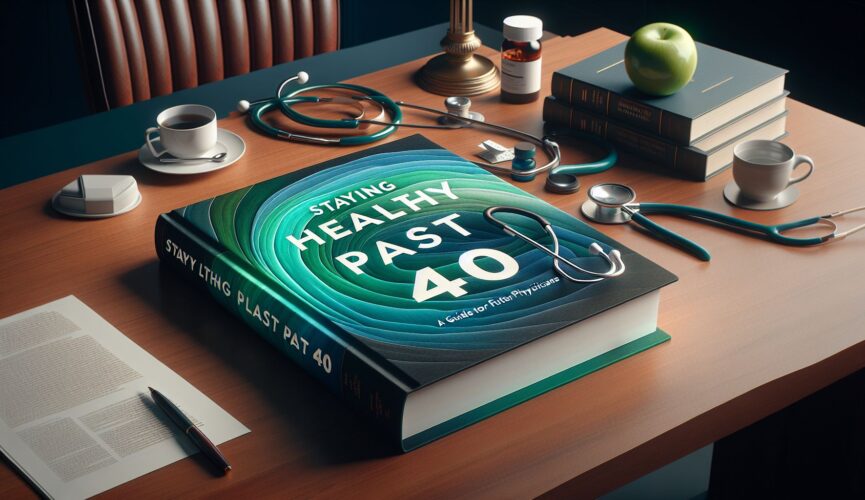
Staying Healthy Past 40: A Guide for Future Physicians

As future physicians, it is vital for us to not only understand the complexities of the human body but also to lead by example when it comes to maintaining our own health and wellness. With the demands of medical education, it can be easy to neglect our own well-being, especially as we enter our 40s and beyond. In this article, we will explore essential practices that can help us stay healthy and thrive as healthcare professionals well into the later stages of life.

Introduction: The Importance of Practicing What We Preach

As students of medicine, we dedicate ourselves to the care and well-being of others. However, we must recognize that our ability to fulfill this noble mission is greatly influenced by our own health. Just as we advise patients on preventive measures and treatment plans, we must be proactive in taking care of ourselves to ensure we can deliver the highest standard of care throughout our careers.

Body: Key Practices for Maintaining Optimal Health

1. Prioritize Nutrition and Hydration

A balanced diet and adequate hydration are fundamental pillars of health. As future physicians, we should be well-informed about nutritional needs and the impact of various dietary choices on our bodies. Aim to consume a balanced variety of whole foods, emphasizing fruits, vegetables, lean proteins, whole grains, and healthy fats. Stay hydrated by drinking an appropriate amount of water each day.

2. Engage in Regular Physical Activity

Maintaining a physically active lifestyle is essential for both our physical and mental well-being. Incorporating regular exercise into our routines can help us manage stress, improve cardiovascular health, strengthen muscles and bones, and enhance cognitive function. Choose activities you enjoy, whether it’s walking, swimming, cycling, or engaging in sports, and ensure you make time for them regularly.

3. Prioritize Quality Sleep

While medical education often warrants irregular sleep patterns, it is crucial to prioritize quality sleep whenever possible. Adequate sleep supports immune function, cognitive abilities, and overall mental health. Create a sleep routine that allows for sufficient rest, ensuring you maintain a consistent schedule even during demanding periods.

4. Manage Stress Effectively

Stress is an inevitable aspect of a medical career. Learning effective stress management techniques early on will not only benefit your personal well-being but also enable you to support patients coping with stress. Explore stress-reduction techniques such as mindfulness meditation, deep breathing exercises, regular physical activity, and engaging in hobbies or activities you find enjoyable.

5. Build and Maintain Strong Relationships

Nurturing meaningful relationships with family, friends, and colleagues is crucial to maintaining emotional well-being. Connections with loved ones provide a support system during challenging times. Take time to foster these relationships, even when studying or working demands much of your attention.

6. Regularly Evaluate and Update Healthcare Practices

As medical knowledge advances, staying up-to-date with healthcare practices is essential. Continually educate yourself and adapt your lifestyle choices based on the evolving evidence in the field. This commitment to ongoing education and personal growth will not only benefit your patients but also enhance your own well-being.

Conclusion: Investing in Our Health for a Fulfilling Career

As future physicians, we have chosen a profession dedicated to healing and caring for others. However, to truly make a difference and be of service to our patients, we must prioritize our own health and well-being. By practicing nutritious habits, engaging in regular physical activity, managing stress effectively, and maintaining strong relationships, we can ensure that we stay healthy past 40 and beyond. As we embark on this noble journey, let us remember that investing in ourselves is not just beneficial for us as individuals but also crucial for the patients we will serve throughout our careers.

How Does Playing Golf Impact Your Wellbeing?

Playing Golf

Some sports lovers play golf simply as a relaxing pastime. They enjoy the game and get pleasure from the lush green course. However, golf is not just a game or recreational activity. Most players do not know that playing golf helps them maintain their overall well-being. The engaging sport provides several benefits ranging from physical exercise to social interactions. Find how regular golf-playing sessions are valuable to your health and mind. 

Allows you to do physical exercise

Many golf players have experienced cardiovascular health benefits. While playing golf, you need to walk several miles. So, you can get involved in low-impact aerobic workouts that raise heart rates and promote blood circulation. Your physical system will be more efficient in using oxygen for better health. 

Relieve your depression and anxiety

Exercise is a way to prevent emotional issues and other mental problems. Walking and other mild exercises let you maintain a circadian rhythm. They help you produce serotonin, which reduces depression symptoms. Thus, playing golf is a way to boost your mood. Control your depression symptoms by playing sports like golf. 

Promote weight loss

Obesity is a common problem for those who have a sedentary lifestyle. The best option is to plan a golf vacation and book a golf resort in the destination. The resort will provide you with a well-maintained Bay Harbor golf course.

You may also join a golf training program to stick to your weight management routine. The sports activities will help you burn more calories. While playing the game, you need to walk through the course and swing the club. Thus, these activities let you burn more calories and contribute to weight loss. 

Let your body receive Vitamin D

When you play the sport on the golf course, it exposes you to sunlight. It promotes the formation of vitamin D in your body. Vitamin D is essential to maintain your bone health and regulate your immune system. So, you will be healthy throughout the year. 

Build your confidence 

Once you have learned the golfing skills, you can grow your confidence. Golf lets you understand your athleticism and balance. When you become an expert golf player, you will feel more confident. However, make sure that you have realistic expectations during the learning process. 

Look for a golf course in your locality and start practicing the sport. 

Interact with your new friends

You can play golf with other players who have the same level of skills. You may also engage your family members in the sports session. Thus, if you want to develop new social connections, you can play golf. Friendly competition with other golf players will give you pleasure. Besides, those players will share their experiences with you and create positive relationships.

To conclude, golf lets you maintain your mental and physical health. If you have fun playing golf, it will be highly beneficial to you. There is no need to be a professional golfer. Amateurs also can play golf and have the best experience.

What is a Radiologist: Your Partner in Disease Detection and Prevention

As the field of medicine continues to progress and evolve, so too do the technologies and techniques utilized in disease diagnosis and treatment. Radiology, an essential branch of medicine, plays a pivotal role in the early detection and prevention of various diseases. But what exactly is a radiologist, and how can they contribute to your health and overall well-being? In this article, we will explore the role of radiologists, their expertise in image interpretation, and the invaluable insights they provide to a patient’s healthcare journey.

Understanding the Role of a Radiologist

Radiologists are medical doctors who specialize in diagnosing and treating diseases using medical imaging techniques. These highly trained professionals play an integral part in the healthcare system, working closely with other doctors and healthcare providers to ensure accurate diagnoses and appropriate treatment plans. A radiologist is trained to interpret various imaging tests, including X-rays, CT scans, MRIs, ultrasounds, and nuclear medicine scans, among others.

Expertise in Image Interpretation

Radiologists possess a unique skill set that allows them to interpret medical images with precision and accuracy. Through years of extensive training and experience, they acquire in-depth knowledge of anatomy, physiology, pathology, and radiology. This expertise enables them to identify even the subtlest abnormalities or changes in the images, helping to diagnose a wide range of diseases and conditions.

Collaborating with Healthcare Professionals

Radiologists collaborate closely with other healthcare professionals, acting as vital consultants in the diagnostic process. When a doctor suspects a certain illness or condition, they may order specific imaging tests to gain a clearer understanding of what is happening inside the patient’s body. The radiologist then analyzes the resulting images, providing detailed reports and assessments to aid in making an accurate diagnosis.

A Key Player in Disease Prevention

While radiologists are instrumental in diagnosing diseases, their role extends far beyond that. By employing various imaging techniques, they can help identify potential risk factors and detect diseases at their earliest stages. This early detection is crucial for more effective treatment and potentially better patient outcomes.

For instance, when a radiologist evaluates a mammogram, they meticulously search for any signs of breast cancer. By detecting cancer in its early stages, treatment can begin promptly, significantly improving the chances of successful treatment. Similarly, a CT scan of the lungs can help identify early signs of lung cancer, allowing for earlier intervention and better prognosis.

Keeping Up with Technological Advances

Radiology is a field that closely aligns with technological advancements. Radiologists continually update their knowledge and skills to keep pace with the latest developments in imaging technology. This commitment ensures that they can effectively utilize cutting-edge tools and techniques in their daily practice, providing patients with the most accurate and reliable diagnoses.

Conclusion: Your Radiologist, Your Healthcare Ally

The role of a radiologist in disease detection and prevention cannot be overstated. These medical professionals possess a deep understanding of the human body and the ability to interpret complex medical images. By closely collaborating with other healthcare providers, radiologists are able to contribute to accurate diagnoses and help design tailored treatment plans.

Remember, radiology plays a vital role in disease prevention through the early detection of potential health issues. Routine screenings and recommended diagnostic tests can reveal hidden ailments, enabling timely intervention that could save lives. By developing a partnership with your trusted radiologist, you can embark on a proactive journey toward a healthier and happier life.

So, the next time you undergo an imaging test, remember the crucial role radiologists play in your healthcare journey. Behind every medical image lies a highly skilled radiologist dedicated to your well-being. Keep them in mind as you seek to understand diseases and make informed decisions about your health.

How to Diagnose and Treat Disease: A Guide for Families

Seeing a loved one battle with illness can be an emotionally challenging experience, and it’s only natural for concerned family members to want to help in any way they can. While diagnosing and treating diseases is best left to medical professionals, it is still crucial for families to understand the processes involved and how they can support their loved ones. In this article, we will delve into the steps involved in diagnosing and treating diseases, while providing valuable advice for families going through this difficult time.

Understanding the Diagnostic Process

Accurate diagnosis lays the foundation for effective treatment. Initially, the primary care physician is approached, who may refer your family member to a specialist if necessary. Specialists employ a range of medical technologies to conduct tests, such as blood work, imaging scans, and genetic analysis, depending on the nature of the illness. These tests provide valuable insights into the underlying causes of the disease, which is essential for developing an appropriate treatment plan.

Effective Treatment Strategies

Once the diagnosis is established, the focus shifts towards treatment plans, often involving a multidisciplinary approach. While every illness requires a unique treatment strategy, let’s highlight some common elements that can aid the recovery process:

1. Medication

In many cases, medications play a vital role in treating diseases. They are designed to manage symptoms, reduce inflammation, or target the underlying cause of the illness. It’s crucial for families to support their loved ones by ensuring medications are taken as prescribed and implementing any lifestyle adjustments recommended by the healthcare team.

2. Lifestyle Modifications

Lifestyle modifications can have a profound impact on the recovery process. Encourage your family member to adopt healthy habits such as regular exercise, a balanced diet, adequate sleep, and stress management techniques. While it may be difficult at first, offering your support and engaging in these activities as a family can significantly enhance the likelihood of success.

3. Physical Rehabilitation

For certain diseases or injuries, physical rehabilitation can greatly aid recovery. This may involve sessions with physiotherapists, occupational therapists, or speech therapists, depending on the specific needs of your loved one. Assisting them during their rehabilitation exercises and providing emotional support throughout the process can make a significant difference in their overall well-being.

4. Emotional Support

Dealing with a disease can take a toll on a person’s mental health. As a family member, you play a crucial role in providing emotional support. Offer a listening ear, attend medical appointments together, and remind your loved one that they are not alone in this journey. If necessary, consider seeking professional counseling or support groups where both the patient and the family can find solace and guidance.

The Role of Families in the Recovery Process

While medical professionals take the lead in diagnosing and treating diseases, families can play an essential role in supporting their loved ones throughout the recovery process. Here are a few ways you can contribute positively:

  1. Communication: Maintain open and honest communication within the family unit. Encourage your loved one to express their feelings, fears, and concerns, and provide reassurance and empathy.

  2. Education: Take the time to research and understand the disease your family member is facing. This will not only enable you to provide informed support but also help you navigate medical appointments and discussions with healthcare professionals.

  3. Organization: Assist in managing medical appointments, keeping track of medications, and maintaining medical records. This ensures a smooth and efficient recovery process and minimizes the chance of any missed or duplicated treatments.

  4. Care coordination: Collaborate with the healthcare team to ensure there is a clear plan in place for your loved one’s recovery. Attend appointments, ask questions, and provide updates on symptoms or progress.

Conclusion

Watching a family member struggle with illness can be distressing, but families can play a crucial role in supporting their loved ones’ journey towards recovery. By understanding the diagnostic process, implementing effective treatment strategies, and offering emotional support, families can make a significant positive impact. Remember, although it’s important to be involved, it’s equally crucial to leave the medical aspects to the professionals. Together, we can help our loved ones overcome their illness and regain their health.

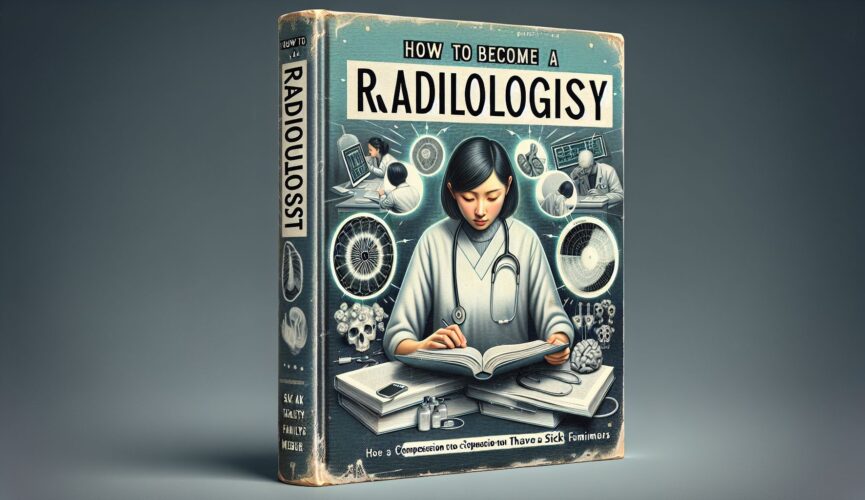
How to Become a Radiologist: A Guide for Those with Sick Family Members

Considering a career in radiology? If you have a sick family member or loved one who has undergone diagnostic imaging or radiation treatment, you may have witnessed the invaluable contribution of radiologists firsthand. These medical professionals play a crucial role in the wellness centers and recovery processes of countless patients. If you find yourself drawn to this field and have a genuine compassion for others, here is a comprehensive guide on how to become a radiologist.

Introduction to Radiology

Radiology is a specialized branch of medicine that uses various imaging techniques to diagnose and treat diseases and injuries. Radiologists are responsible for interpreting medical images, such as X-rays, MRIs, CT scans, and ultrasounds, to assist in the accurate diagnosis and subsequent treatment planning.

Education and Training

To become a radiologist, it is essential to complete several years of rigorous education and training. The journey typically begins with a Bachelor’s degree in pre-medical studies or a related field. It is vital to excel in subjects like biology, chemistry, physics, and mathematics during your undergraduate studies.

Upon completion, aspiring radiologists must attend medical school, which usually takes four years. During this time, students undergo an intensive curriculum focusing on general medical knowledge. Subjects like anatomy, pathology, pharmacology, and internal medicine are covered extensively to provide a solid foundation.

Following medical school, graduates must complete a five-year residency program in diagnostic radiology. This program provides hands-on experience in different imaging modalities while also encompassing theoretical education. Residents work closely with experienced radiologists, gaining exposure to a wide range of medical conditions and mastering the art of image interpretation.

After residency, some radiologists choose to pursue further specialization through fellowship programs. These programs typically last for one to two years and offer focused training in a particular radiology subspecialty, like neuroradiology, pediatric radiology, or interventional radiology.

Licensing and Certification

After completing the required education and training, the next step toward becoming a radiologist involves obtaining proper licensure. Each country or state may have specific licensing requirements, so it is important to thoroughly research the regulations in your desired location.

Once licensed, many radiologists pursue board certification through the appropriate governing medical board. In the United States, for example, radiologists can seek certification from the American Board of Radiology (ABR). Board certification ensures a certain level of expertise and is recognized as a mark of distinction in the field.

Essential Skills and Qualities

To excel as a radiologist, it is not just academic knowledge and technical proficiency that matter. Certain skills and qualities are integral to becoming an exceptional healthcare professional in this field. These include:

  1. Analytical Skills: Radiologists must possess strong analytical skills to interpret complex medical images accurately. Attention to detail and the ability to identify subtle abnormalities are crucial in providing accurate diagnoses.
  2. Communication Skills: As a radiologist, you will often interact with patients, referring physicians, and other healthcare professionals. Effective communication skills facilitate clear and concise reporting and collaboration with the broader medical team.
  3. Empathy and Compassion: Radiologists work closely with patients, especially when discussing critical diagnoses. Having empathy and compassion helps build trust and support patients who may be experiencing distress or uncertainty.
  4. Adaptability: Radiology is a continually evolving field, with advancements in technology and techniques. Being adaptable and open to learning is crucial to staying up-to-date and providing the best care to patients.

Professional Growth and Job Outlook

Radiology offers a diverse range of career opportunities. Apart from working in hospitals and diagnostic centers, radiologists can also pursue academic positions, research roles, or industry-related work. The demand for radiologists is expected to grow significantly in the future due to an aging population and advancements in medical imaging technologies.

Conclusion

For those with sick family members, considering a career in radiology can be a deeply personal choice. By becoming a radiologist, you have the opportunity to contribute to the wellness centers and recovery processes of countless individuals, potentially making a difference in their lives. While the journey may be demanding, the rewarding nature of the work and the ability to positively impact patient outcomes make it a truly fulfilling profession. So, if you possess the necessary dedication, empathy, and analytical skills, embark on your path to becoming a radiologist and shape a future dedicated to healing and diagnosis.

The Life-Saving Power of Medical Technologies

Advancements in medical technologies have revolutionized the healthcare industry, significantly improving patient outcomes and saving countless lives. As future medical professionals, it is crucial for us, students of medicine, to stay informed about these innovations and their impact on treatment facilities and the recovery process. In this blog post, we will explore some remarkable medical technologies that have proven to be instrumental in saving lives.

Introduction: Embracing Innovation in Medicine

Medical innovation is a continuous process driven by the pursuit of enhancing the quality and longevity of human life. Technological advancements have played a pivotal role in this journey, enabling healthcare professionals to provide better diagnosis, treatment, and care for their patients. The following exemplary medical technologies have not only saved lives but have also improved the overall efficiency and effectiveness of the healthcare system.

Robotic Surgery: Precision and Minimally Invasive Techniques

Robotic surgery has revolutionized the field of surgery by providing precise, minimally invasive techniques. This technology allows surgeons to perform complex procedures with enhanced accuracy and control, resulting in reduced complication rates and quicker recovery times for patients. Miniaturized robotic arms are used to perform highly intricate operations, allowing for smaller incisions, reduced blood loss, and minimal scarring. By leveraging robotic surgery, medical professionals can optimize treatment facilities and provide patients with a quicker and less painful recovery process.

Artificial Intelligence in Diagnosis: Enhancing Accuracy and Speed

Artificial Intelligence (AI) is making remarkable strides in healthcare, particularly in the field of diagnosis. AI algorithms are capable of processing vast amounts of medical data to identify patterns and make accurate predictions. Through sophisticated imaging systems and machine learning algorithms, AI has facilitated early detection and improved diagnostic accuracy in conditions such as cancer, cardiovascular diseases, and neurological disorders. By leveraging AI technologies, medical professionals can expedite the diagnosis process, leading to prompt and personalized treatment plans.

Telemedicine: Expanding Healthcare Access

Telemedicine has emerged as a lifeline for individuals who lack access to immediate healthcare facilities. This technology allows patients and healthcare providers to communicate remotely through video conferencing, ensuring they receive timely medical advice and support. Telemedicine is particularly invaluable in rural or remote areas, where medical resources are scarce. By utilizing telemedicine, patients can consult with specialists without the need for extensive travel, reducing healthcare expenses and optimizing treatment facilities. This technology has undoubtedly played a vital role in saving lives by bridging geographical gaps and expanding access to quality healthcare.

Wearable Medical Devices: Preventative Monitoring and Early Intervention

Advancements in wearable medical devices have empowered individuals to proactively monitor their health and receive early interventions. Devices such as smartwatches, fitness trackers, and mobile health apps enable the continuous collection of vital health data. These tools can detect irregularities in heart rate, blood pressure, and even sleep patterns. By analyzing this information, individuals and their healthcare providers can identify potential health risks and intervene before severe complications arise. Wearable medical devices have become invaluable in the prevention and management of chronic diseases, ensuring timely treatments and ultimately saving lives.

Conclusion: Embracing the Future of Healthcare

As students of medicine, embracing and familiarizing ourselves with these medical technologies will play a crucial role in our future practice. These life-saving advancements, including robotic surgery, AI in diagnosis, telemedicine, and wearable medical devices, continue to shape the landscape of healthcare. By staying informed and incorporating these technologies into our practice, we can enhance patient care, optimize treatment facilities, and contribute to saving lives.

In the ever-evolving world of medicine, technological innovation holds immense potential. By embracing these advancements, we can drive positive change, improving healthcare outcomes, and ultimately, making a significant impact on the lives of patients. As we embark on our journey as medical professionals, let us continue to champion the integration of medical technologies, providing better care, and ensuring a brighter future for the field of medicine.

5 Tips to Highlight Interconnection Between Hair & Health Care

Hair Highlight

Long, luscious, and thick locks can make you feel confident and elevate your look. But, did you know that there is an intrinsic link between hair and health care? When your body is healthy and not deprived of any nutrients and you have ample physical activity in your schedule, the positive outcome reflects on your hair health and quality. Similarly, hair health is also related to your overall health, every barber in Downtown Denver will tell you the same. Join us, as we explore the nitty-gritty connection between hair and your overall well-being.

Top 5 Ways By Which Hair and Health Care Are Related

1. Self-Confidence

Undoubtedly, self-confidence is crucial for leading a healthy, joyful, and rewarding life. The state of one’s hair plays a significant role in determining our confidence levels and self-perception. Premature balding or graying of hair often leads to diminished self-esteem for many individuals.

Similarly, we can also see that booking an appointment with a salon for a hair spa or a haircut can immediately revive your confidence and make you feel like a superstar. So, in other order, healthy hair and confidence are directly proportional. 

When your hair looks and feels good and is devoid of graying or breakage, you feel confident. And, confidence is directly connected to overall well-being. 

2. Exercise Facilitates Healthy Hair

Physical activities promote blood circulation, which, in turn, stimulates oxygen and nutrient flow into your hair follicles. The culmination is that your locks are healthy, happy, and look amazing. And, quite understandably, physical activities are essential for your overall well-being too.

3. Certain Health Supplements Are Beneficial for Your Hair 

Thirdly, collagen is an essential component for strong, healthy, and thick hair. It is also essential for skin and bone health. Collagen contains proteins and amino acids needed to produce keratin – the protein that makes up your hair and nails. 

So, with the consumption of omega-3 supplements, or fatty acid-rich fish like salmon, you can see improvements in your hair. 

4. Strength Training and Yoga Have Impact on Both Hair Health and Your Overall Well-Being

Yoga is a low-impact exercise that reduces stress and enhances relaxation and mood. Stress is a pertinent contributor to hair loss and premature graying. So, when you fight stress through yoga, then the prospects of premature graying automatically reduce.

Similarly, strength training has multiple benefits. It helps improve metabolism, manage weight, and protect your joints from injury. However, what some people do not know is that strength training has benefits for hair. For instance, resistance training can increase testosterone levels in your body, which facilitates hair growth and quality.

5. A Well-Balanced Diet is Essential to Maintain Overall Well-Being and Hair Health

As well all know, a balanced diet consisting of whole grains, proteins, healthy fats, vitamin D, zinc, folate, vitamin B12, vitamin A, etc is not just important for your body’s well-being, they are crucial to maintain your long luscious locks too.

Navigation