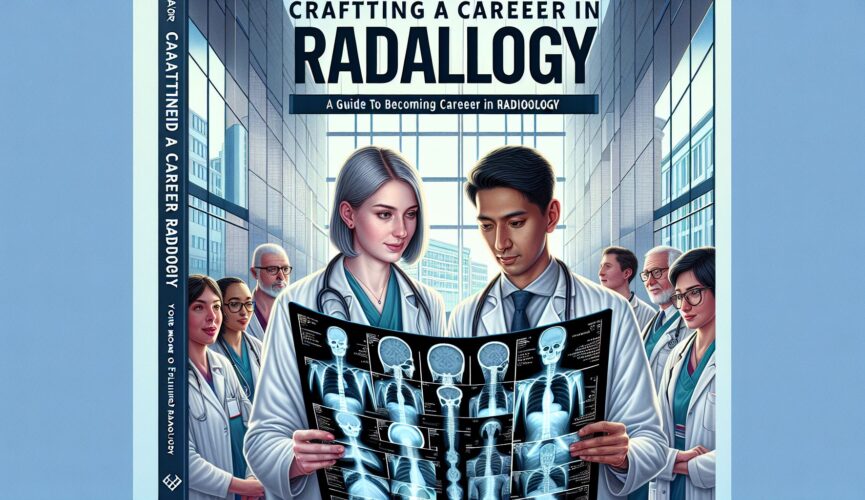
A career in the medical field is an alluring choice for many, encompassing a multitude of specializations, each with its unique rewards and challenges. If your passion lies in understanding diseases, disease prevention, cancer treatment and supporting the sick, it might be worth considering a job as a radiologist. Radiologists play a critical role in healthcare, using advanced imaging technology to diagnose and treat a range of ailments. This article delves into the process of becoming a radiologist, shedding light on the steps necessary to embark on this profoundly rewarding career path.
So, What Does Being a Radiologist Entail?
A radiologist is a medical specialist who uses imaging techniques such as X-rays, computed tomography (CT), magnetic resonance imaging (MRI), nuclear medicine, positron emission tomography (PET), and ultrasound to diagnose and treat diseases. Your tasks would involve reading and interpreting medical images, guiding treatment by recommending further tests or therapy, and even treating conditions directly using minimally invasive, image-guided procedures.
The role of a radiologist is pivotal, particularly in cancer treatment, where radiologists use radiation therapy to shrink tumors and kill cancer cells. Moreover, early detection of diseases, courtesy of a radiologist’s expertise, can significantly improve a patient’s prognosis and quality of life.
Exploring the Path to Becoming a Radiologist
Intrigued? If so, let’s delve straight into the steps needed to craft a career as a radiologist.
1. Earning a Bachelor’s Degree
Becoming a radiologist requires a solid academic foundation, beginning with a Bachelor’s degree. While there isn’t a specific pre-medical undergraduate program you must follow, it’s advised to opt for a degree in physical sciences, biological sciences, or a related field that encompasses coursework in biology, physics, and chemistry.
2. Attending Medical School
Once you have your Bachelor’s degree, the next step is to attend medical school, which involves an additional four years of study. Acceptance into medical school is competitive, requiring superior academic performance and a persuasive score on the Medical College Admission Test (MCAT). The first two years of medical school typically involve classroom and laboratory work, while the final two years are reserved for hands-on patient care under the supervision of experienced physicians.
3. Completing a Residency
After graduating from medical school, you’ll earn the title of Doctor of Medicine (MD) or Doctor of Osteopathic Medicine (DO). However, to become a radiologist, there’s still more to do. The next step is a residency program in radiology, lasting between four and five years, during which you’ll gain practical, supervised experience in a hospital or clinic.
4. Seeking Board Certification
Once your residency is completed, aspiring radiologists should pursue board certification from the American Board of Radiology (ABR) or the American Osteopathic Board of Radiology. This certification validates your competency and commitment towards maintaining high standards of care, which is instrumental in attaining trust and credibility.
5. Considering Subspecialization
The field of radiology is vast and allows for subspecialization in areas such as breast imaging, cardiovascular radiology, or neuroradiology. If one of these interests you, it might be beneficial to complete a fellowship in the chosen specialty, providing a further 1-2 years of specialty training.
Conclusion
Becoming a radiologist isn’t an overnight process, it requires years of rigorous study and hands-on training. But the profound impact that radiologists can have on saving lives makes the effort worthwhile.
Whether it’s the general joy of disease prevention or specific satisfaction derived from curtailing the menace of cancer, a career as a radiologist provides an opportunity to contribute substantially towards medicine and patient care. This journey may be long and challenging, but the rewards are immense: You get to unravel the mysteries of the human body, pioneer innovative treatments, and most importantly, help patients reclaim their health, one diagnosis at a time.