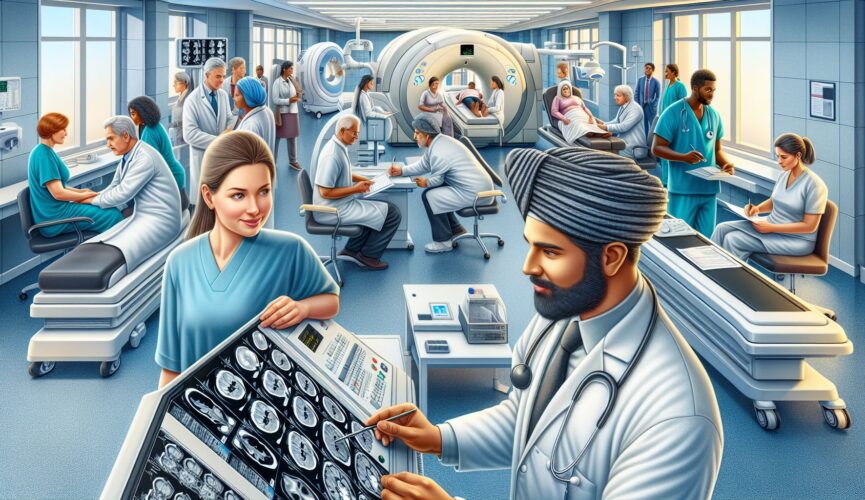
Radiology is a vital branch of medical science that utilizes imaging techniques such as X-rays, ultrasound, computed tomography (CT), magnetic resonance imaging (MRI), and positron emission tomography (PET) to diagnose and treat diseases and conditions. Medical professionals rely on radiology to obtain detailed images of the inside of the body, allowing them to make accurate diagnoses and develop appropriate treatment plans for patients. In this article, we will explore the importance of radiology for medical professionals in providing optimal care to their patients.
Importance of Radiology in Medical Practice
Radiology plays a crucial role in the diagnosis and treatment of a wide range of medical conditions, including fractures, tumors, infections, and internal injuries. By providing detailed images of the body’s structures and organs, radiology helps medical professionals pinpoint the location and extent of a disease or injury, guiding them in making informed decisions about the most effective treatment approach.
For example, when a patient presents with symptoms of a possible bone fracture, a radiologist can perform an X-ray to confirm the diagnosis and assess the severity of the injury. This information is essential for orthopedic surgeons in determining the appropriate course of treatment, whether it involves casting, surgery, or physical therapy.
Similarly, in cancer treatment, radiology plays a critical role in staging the disease and monitoring the effectiveness of therapy. Imaging techniques such as CT scans and MRIs help oncologists identify the size and location of tumors, as well as assess the response to chemotherapy or radiation treatment. This information is invaluable in tailoring the treatment plan to ensure the best possible outcome for the patient.
In addition to diagnosis and treatment, radiology also plays a key role in preventive medicine. Screening mammograms, for example, can detect breast cancer at an early stage when it is most treatable. Regular imaging tests for high-risk individuals, such as smokers or those with a family history of heart disease, can help identify potential health issues before they become serious.
Importance of Radiology Training for Medical Professionals
To effectively utilize radiology in medical practice, healthcare providers must undergo specialized training in interpreting and analyzing imaging studies. Radiology residency programs equip physicians with the skills and knowledge needed to interpret a wide range of imaging modalities and understand the clinical implications of their findings.
Medical professionals who have a thorough understanding of radiology are better equipped to collaborate with radiologists and other specialists in developing comprehensive treatment plans for their patients. They can also communicate effectively with patients, explaining the purpose and potential risks of imaging studies and addressing any concerns or questions they may have.
Furthermore, ongoing education in radiology is essential for staying abreast of advances in imaging technology and techniques. As new imaging modalities and protocols are developed, medical professionals must continue to refine their skills and knowledge to provide the highest quality care to their patients.
Conclusion
In conclusion, radiology is an essential tool for medical professionals in diagnosing and treating a wide range of diseases and conditions. By utilizing imaging techniques such as X-rays, CT scans, MRIs, and PET scans, healthcare providers can obtain detailed images of the body’s structures and organs, guiding them in making accurate diagnoses and developing effective treatment plans.
Through specialized training and ongoing education in radiology, medical professionals can enhance their diagnostic capabilities, improve patient outcomes, and provide optimal care to those in need. By embracing the importance of radiology in medical practice, healthcare providers can better serve their patients and contribute to advancements in the field of medicine.