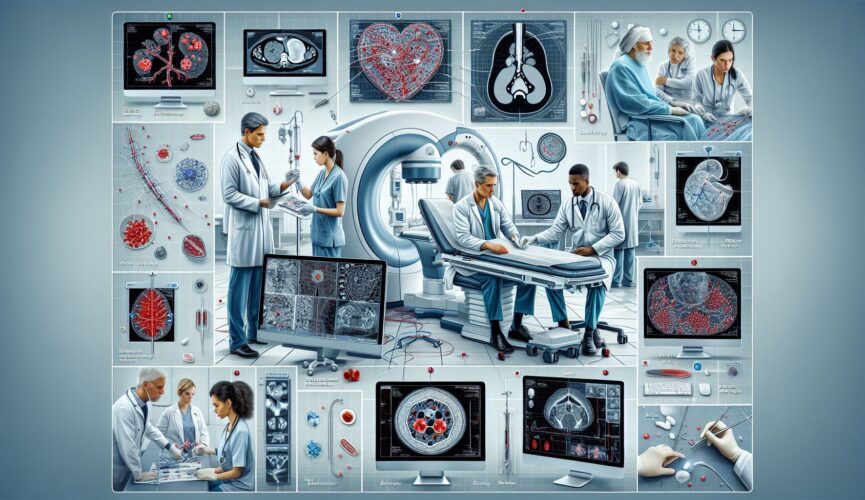
Interventional Radiology (IR) is a rapidly growing field in medicine that uses advanced imaging techniques to guide minimally invasive procedures to diagnose and treat a wide range of conditions. As a medical professional, it is essential to understand the different conditions that can be treated in interventional radiology.
Introduction
Interventional Radiologists play a crucial role in the management of various medical conditions, offering patients less invasive alternatives to surgery. By using imaging techniques such as X-rays, ultrasound, CT scans, and MRI, interventional radiologists can precisely target the affected area and deliver treatments directly to the source of the problem.
Body
Here are some of the conditions that are commonly treated in interventional radiology:
1. Vascular conditions
Interventional Radiologists are experts in treating vascular conditions such as peripheral arterial disease, deep vein thrombosis, and varicose veins. They can perform minimally invasive procedures such as angioplasty, stenting, and thrombolysis to restore blood flow and alleviate symptoms. By using advanced imaging techniques, interventional radiologists can navigate through the blood vessels with precision, reducing the risk of complications and improving patient outcomes.
2. Liver conditions
Patients with liver tumors, cirrhosis, or portal hypertension can benefit from interventions performed by interventional radiologists. Procedures like transarterial chemoembolization (TACE), radiofrequency ablation (RFA), and portal vein embolization can help to treat liver tumors or alleviate symptoms associated with liver disease. These treatments offer a less invasive approach compared to traditional surgical options, leading to reduced recovery times and improved patient satisfaction.
3. Kidney conditions
Interventional Radiology is also instrumental in the treatment of kidney conditions such as renal artery stenosis, renal artery aneurysm, and renal cell carcinoma. Procedures like renal artery angioplasty, embolization, and cryoablation can help to improve blood flow to the kidneys, treat aneurysms, or destroy cancerous tumors while preserving healthy kidney tissue. Patients undergoing these interventions often experience less pain, shorter hospital stays, and faster recovery times compared to surgery.
4. Cancer treatments
Interventional Radiologists are at the forefront of cancer treatments, offering minimally invasive options for patients with various types of cancer. Procedures such as tumor ablation, chemoembolization, and radioembolization can target tumors directly, delivering high doses of treatment while minimizing damage to surrounding healthy tissues. By working closely with oncologists and other specialists, interventional radiologists can provide personalized treatment plans that are tailored to each patient’s specific needs, improving outcomes and quality of life.
5. Pain management
Patients suffering from chronic pain conditions, such as back pain, arthritis, or nerve compression, can benefit from interventions performed by interventional radiologists. Procedures like nerve blocks, epidural injections, and facet joint injections can help to reduce pain, improve mobility, and enhance overall quality of life. By using imaging guidance, interventional radiologists can precisely target the source of pain, leading to more effective and long-lasting relief for patients.
Conclusion
Interventional Radiology offers a wide range of treatment options for patients with various medical conditions, providing less invasive alternatives to surgery and improving outcomes. By leveraging advanced imaging techniques and innovative procedures, interventional radiologists can deliver precise and effective treatments while minimizing risks and complications. As a medical professional, understanding the different conditions that can be treated in interventional radiology is essential for providing comprehensive care to your patients and collaborating effectively with other specialists in the healthcare team. Stay updated on the latest advancements in interventional radiology to offer the best possible care to your patients.