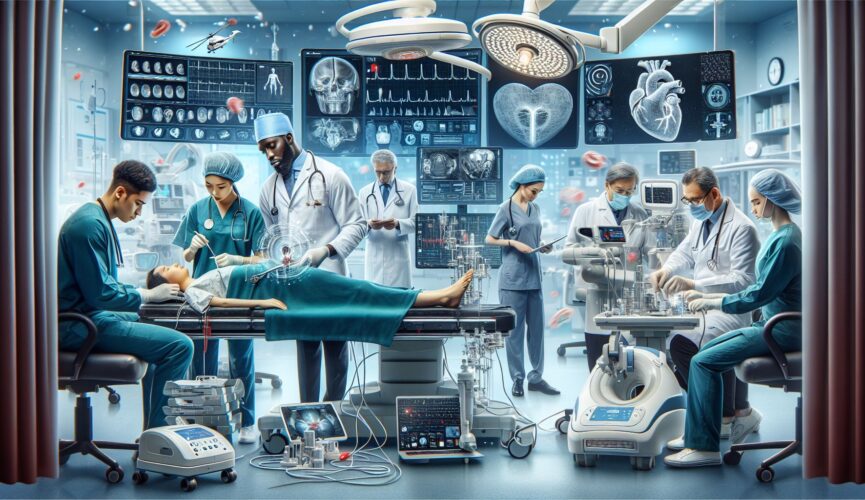
In the fast-paced world of healthcare, medical professionals rely on a wide range of technologies to provide the best possible care for their patients. From diagnostic tools to treatment options, these innovative technologies play a crucial role in saving lives every day. Let’s take a closer look at some of the most important medical technologies that are helping to improve patient outcomes and enhance the quality of care in hospitals around the world.
Diagnostic Imaging
One of the key advancements in modern medicine is the development of diagnostic imaging technologies. These tools allow healthcare professionals to visualize the internal structures of the body, making it easier to diagnose and treat a wide range of medical conditions. X-rays, MRIs, CT scans, and ultrasounds are just a few examples of the imaging technologies that are used in hospitals every day.
Diagnostic imaging is especially important in the early detection of diseases such as cancer, heart disease, and stroke. By providing detailed images of the body’s tissues and organs, these technologies help doctors identify potential health problems before they become more serious. As a result, patients can receive timely and effective treatment, which can ultimately save lives.
Robotic Surgery
Robotic surgery is another cutting-edge technology that is revolutionizing the field of medicine. With the help of robotic systems, surgeons are able to perform complex procedures with greater precision and control than ever before. This minimally invasive approach offers a number of benefits to patients, including shorter recovery times, reduced risk of complications, and improved surgical outcomes.
In addition to enhancing surgical precision, robotic systems also allow for greater access to hard-to-reach areas of the body. This makes it possible to perform surgeries that may not have been feasible with traditional techniques. As a result, patients who undergo robotic surgery often experience better long-term outcomes and a higher quality of life.
Telemedicine
Telemedicine is a rapidly growing field that is changing the way healthcare is delivered to patients. By using technology to connect doctors and patients remotely, telemedicine is improving access to care for individuals in rural or underserved areas. Through video consultations, remote monitoring, and electronic health records, healthcare providers can now offer high-quality medical services to patients from the comfort of their own homes.
Telemedicine has proven to be especially valuable in emergency situations, where immediate medical attention is crucial. By allowing doctors to assess patients remotely and provide real-time guidance to emergency responders, telemedicine is helping to save lives in critical situations. This technology has the potential to revolutionize the way healthcare is delivered, making it more convenient and accessible for patients around the world.
Artificial Intelligence
Artificial intelligence (AI) is also playing a significant role in the advancement of medical technologies. By using machine learning algorithms, AI systems can analyze vast amounts of patient data to identify patterns and trends that may have gone undetected by human physicians. This allows doctors to make more accurate diagnoses, develop personalized treatment plans, and predict potential health risks in their patients.
In addition to diagnostic support, AI is also being used to enhance the efficiency of healthcare systems. By automating routine tasks and streamlining administrative processes, AI technologies help hospitals operate more effectively and provide better care to their patients. As AI continues to evolve, it has the potential to revolutionize the practice of medicine and improve patient outcomes in ways we have never seen before.
Conclusion
The field of medical technology is constantly evolving, with new innovations being developed every day to improve patient care and save lives. From diagnostic imaging to robotic surgery, telemedicine, and artificial intelligence, these technologies are revolutionizing the way healthcare is delivered around the world. By harnessing the power of these tools, medical professionals are able to provide better treatments, faster diagnoses, and more personalized care to their patients.
As we look to the future of medicine, it is clear that the impact of medical technologies will only continue to grow. By embracing these advancements and incorporating them into their practice, healthcare providers can ensure that they are offering the best possible care to their patients and ultimately saving lives in the process.