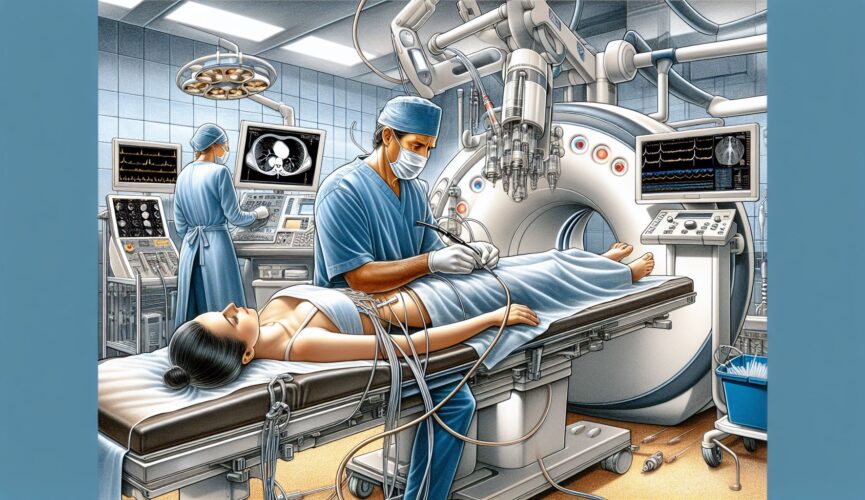
When a loved one is diagnosed with a serious medical condition, it can be a challenging time for both the individual and their family. Fortunately, advancements in medical technology have paved the way for more minimally invasive treatment options, including interventional radiology. For those who are unfamiliar with this specialized field, interventional radiology involves using imaging techniques such as X-rays, ultrasound, and CT scans to guide the delivery of treatment directly to the affected area, without the need for traditional surgery.
One of the most common conditions that can be treated using interventional radiology is cancer. Cancer is a disease that affects millions of people each year, and treatment options can vary depending on the type and stage of the cancer. In some cases, interventional radiology techniques can be used to deliver targeted therapies directly to the tumor, minimizing damage to surrounding healthy tissue and reducing side effects.
For example, in the case of liver cancer, a procedure called transarterial chemoembolization (TACE) can be performed by interventional radiologists. During this procedure, chemotherapy drugs are injected directly into the blood vessels that supply the tumor, followed by the injection of tiny particles that block the blood flow to the tumor. This allows for a higher concentration of the chemotherapy drugs to reach the tumor, leading to more effective treatment.
Interventional radiology can also be used to treat conditions such as vascular disease, uterine fibroids, and even chronic pain. In the case of vascular disease, procedures such as angioplasty and stenting can be performed to open up blocked blood vessels and improve blood flow to the affected area. For uterine fibroids, a condition that affects many women of childbearing age, a procedure called uterine fibroid embolization (UFE) can be performed to shrink the fibroids and alleviate symptoms such as heavy menstrual bleeding and pelvic pain.
When it comes to chronic pain, interventional radiology techniques such as nerve blocks and spinal injections can be used to target the source of the pain and provide relief. These procedures are often performed on an outpatient basis, allowing patients to return to their normal activities shortly after treatment.
It is important for families and caregivers to educate themselves about the various treatment options available for their loved ones. By understanding the role of interventional radiology in the treatment of various medical conditions, families can make informed decisions about their loved one’s care and advocate for the most appropriate treatment plan.
Caring for a sick family member can be emotionally and physically draining, but knowing that there are advanced treatment options available can provide a sense of hope and comfort. By working closely with a team of healthcare professionals, including interventional radiologists, families can ensure that their loved ones receive the best possible care and support throughout their treatment journey.
In conclusion, interventional radiology plays a crucial role in the treatment of a wide range of medical conditions, including cancer, vascular disease, uterine fibroids, and chronic pain. By utilizing minimally invasive techniques guided by imaging technology, interventional radiologists can deliver targeted therapies directly to the affected area, reducing the need for traditional surgery and minimizing side effects. For families with sick loved ones, understanding the role of interventional radiology in their care can help them make informed decisions and provide the best possible support during this challenging time.