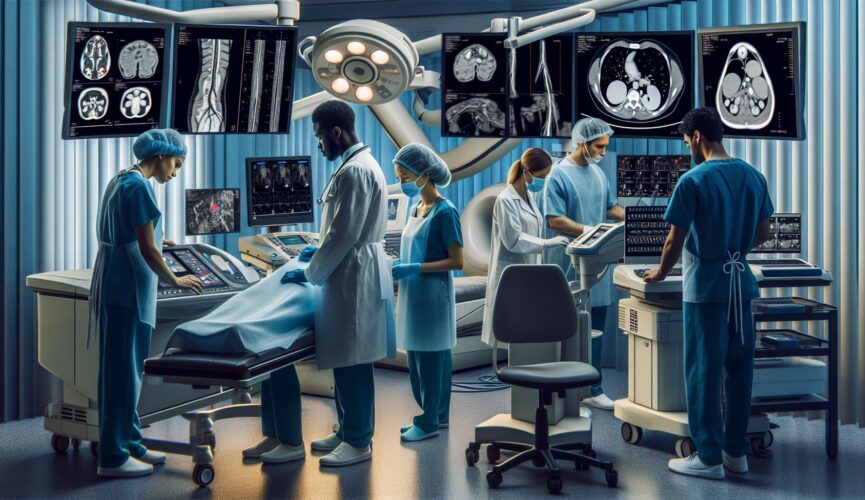
Interventional radiology is a subspecialty of radiology that focuses on using imaging techniques to guide minimally invasive procedures for diagnostic and therapeutic purposes. In hospitals, interventional radiologists play a crucial role in treating a wide range of medical conditions. In this blog post, we will explore some of the conditions that can be effectively treated using interventional radiology techniques.
Vascular Conditions
One of the most common types of conditions treated in interventional radiology is vascular conditions. This includes conditions such as peripheral artery disease, deep vein thrombosis, and varicose veins. Using imaging guidance, interventional radiologists can perform procedures such as angioplasty, stent placement, and thrombolysis to improve blood flow and alleviate symptoms in patients with vascular issues.
Liver and Kidney Diseases
Interventional radiology also plays a crucial role in treating liver and kidney diseases. Patients with liver cancer or benign liver tumors may benefit from procedures such as transarterial chemoembolization (TACE) or radiofrequency ablation (RFA) to target and destroy tumors while minimizing damage to surrounding healthy tissue. In the case of kidney diseases, procedures such as nephrostomy tube placement or percutaneous nephrolithotomy can help manage conditions such as kidney stones or blockages.
Oncologic Conditions
Interventional radiology is a vital component of cancer treatment, with procedures such as tumor ablation, embolization, and radioembolization being used to target and treat tumors. These techniques can be used in various types of cancer, including liver cancer, lung cancer, and bone cancer. By directly targeting tumors with minimal damage to healthy tissue, interventional radiology can provide effective treatment options for cancer patients.
Pain Management
Patients suffering from chronic pain may also benefit from interventional radiology procedures. Techniques such as nerve blocks, spinal cord stimulations, and vertebroplasty can help alleviate pain and improve quality of life in patients with conditions such as chronic back pain, neuropathic pain, or compression fractures. By targeting the source of pain with precision, interventional radiology procedures can provide long-lasting relief for patients.
Gastrointestinal Conditions
Interventional radiology can also be utilized to treat various gastrointestinal conditions. Patients with conditions such as gastrointestinal bleeding, biliary obstructions, or pancreatic disorders may benefit from procedures such as embolization, stent placement, or drainage procedures. By using imaging guidance, interventional radiologists can target specific areas within the gastrointestinal system to alleviate symptoms and improve patient outcomes.
Conclusion
In conclusion, interventional radiology plays a pivotal role in the treatment of a wide range of medical conditions in hospitals. By using minimally invasive procedures guided by imaging techniques, interventional radiologists can provide effective and targeted treatment options for patients with vascular conditions, liver and kidney diseases, oncologic conditions, pain management, and gastrointestinal conditions. As technology continues to advance, the field of interventional radiology will continue to expand and offer innovative solutions for patients in need of specialized care. If you or a loved one are facing any of the aforementioned conditions, consider consulting with a hospital’s interventional radiology department to explore potential treatment options available to you.