Becoming a radiologist is a rewarding and challenging career path for medical students who are passionate about using cutting-edge technology to diagnose and treat patients. Radiologists play a crucial role in the healthcare industry by using medical imaging techniques to help diagnose and treat various medical conditions. If you are a medical student interested in pursuing a career as a radiologist, this guide will provide you with valuable insights into the necessary steps to achieve your goal.
The Path to Becoming a Radiologist
-
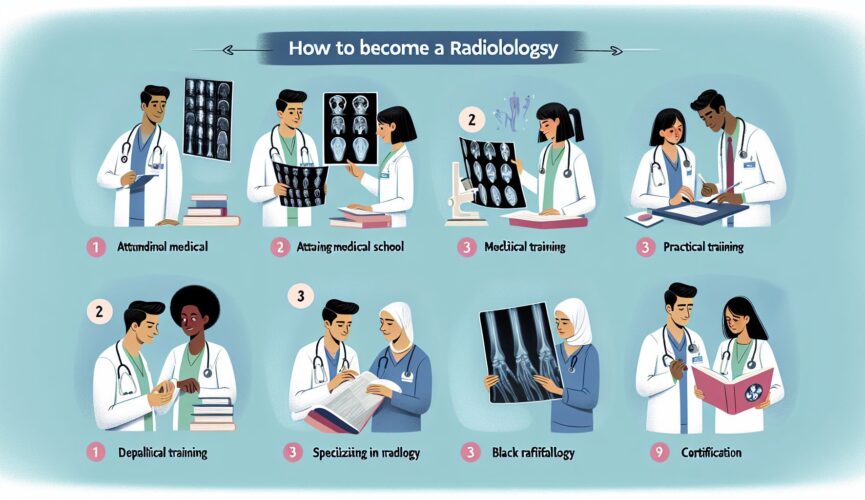
Earn a Medical Degree: The first step in becoming a radiologist is to earn a medical degree from an accredited medical school. This involves completing a bachelor’s degree program followed by four years of medical school. During medical school, students will learn about the basic sciences, patient care, and clinical skills necessary to become a competent physician.
-
Complete Residency Training: After earning a medical degree, aspiring radiologists must complete a residency program in diagnostic radiology. Residency programs typically last four years and involve hands-on training in various imaging techniques such as X-rays, MRI, CT scans, and ultrasound. During residency, students will also have the opportunity to work with experienced radiologists and learn how to interpret imaging studies accurately.
-
Fellowship Training(Optional): Some radiologists choose to pursue additional fellowship training in subspecialties such as interventional radiology, neuroradiology, or musculoskeletal radiology. Fellowship programs typically last one to two years and provide in-depth training in a specific area of radiology.
-
Obtain Licensure and Certification: After completing residency training, radiologists must obtain a medical license to practice in their state. Additionally, many radiologists choose to become board-certified by the American Board of Radiology or another relevant certifying body. Board certification demonstrates a radiologist’s commitment to professional excellence and can enhance job opportunities and earning potential.
Skills and Qualities of a Successful Radiologist
In addition to completing the necessary education and training, successful radiologists possess a unique set of skills and qualities that are essential for providing high-quality patient care. Some of the key skills and qualities of a successful radiologist include:
- Attention to detail: Radiologists must have keen attention to detail to accurately interpret complex imaging studies and identify subtle abnormalities.
- Technical proficiency: Radiologists must be proficient in using a variety of imaging techniques and equipment to obtain high-quality images for diagnosis.
- Communication skills: Radiologists must be able to effectively communicate their findings to referring physicians and work collaboratively with other healthcare providers to develop treatment plans for patients.
- Problem-solving skills: Radiologists must be able to think critically and solve problems quickly and efficiently, especially in emergency situations.
- Compassion and empathy: Radiologists must demonstrate compassion and empathy towards patients, especially when delivering difficult or potentially life-changing diagnoses.
Career Opportunities for Radiologists
Radiologists have a wide range of career opportunities available to them, including working in hospitals, clinics, imaging centers, and academic institutions. Some radiologists choose to specialize in a particular area of radiology, such as breast imaging, pediatric radiology, or nuclear medicine, while others prefer to work in general diagnostic radiology.
In addition to traditional clinical roles, radiologists can also pursue opportunities in research, education, and administration. Research opportunities in radiology are abundant, with ongoing advancements in imaging technology and techniques. Radiologists can also choose to teach medical students and residents or take on leadership roles within healthcare organizations.
Conclusion
Becoming a radiologist is a challenging but rewarding career path for medical students who are passionate about using medical imaging techniques to diagnose and treat patients. By completing the necessary education and training, developing essential skills and qualities, and pursuing relevant licensure and certification, aspiring radiologists can build a successful and fulfilling career in this dynamic field.
If you are a medical student considering a career in radiology, take the time to explore the various opportunities available to you and learn more about the responsibilities and challenges of being a radiologist. With dedication, hard work, and a commitment to lifelong learning, you can achieve your goal of becoming a skilled and compassionate radiologist dedicated to improving the health and well-being of your patients.