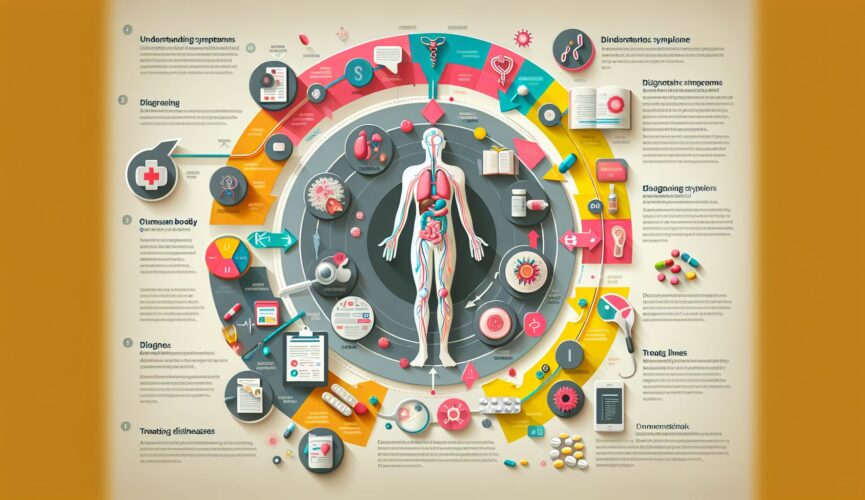
As consumers, it is important to have a basic understanding of how diseases are diagnosed and treated in order to take control of our health and well-being. While diagnosing and treating diseases may seem like complex processes reserved for medical professionals, gaining some knowledge in this area can empower us to make informed decisions about our health. In this article, we will discuss the general steps involved in diagnosing and treating diseases, as well as some important considerations for disease prevention.
Diagnosing Diseases:
Diagnosing a disease is the crucial first step in determining the appropriate treatment plan. There are several methods that healthcare professionals use to diagnose diseases, including:
-
Medical History: The doctor will typically start by taking a thorough medical history, which includes information about the patient’s symptoms, past illnesses, family history of diseases, and any medications they are currently taking.
-
Physical Examination: A physical examination is often conducted to look for signs of disease, such as abnormalities in the skin, eyes, or organs.
-
Laboratory Tests: Blood tests, urine tests, and other laboratory tests may be ordered to detect specific markers of disease, such as levels of certain hormones or antibodies.
-
Imaging Studies: Imaging studies, such as X-rays, CT scans, or MRIs, can provide detailed pictures of the inside of the body to help diagnose diseases affecting organs or tissues.
-
Biopsy: In some cases, a tissue sample may need to be collected and examined under a microscope to make a definitive diagnosis.
Treating Diseases:
Once a disease has been diagnosed, the next step is to develop a treatment plan. The treatment plan will depend on the specific disease, as well as the patient’s overall health and preferences. Some common treatment approaches include:
-
Medication: Many diseases can be effectively treated with medication, such as antibiotics for infections or chemotherapy for cancer.
-
Surgery: In some cases, surgery may be necessary to remove diseased tissue or repair damaged organs.
-
Chemotherapy/Radiation Therapy: These treatments are often used to kill cancer cells or shrink tumors.
-
Physical Therapy: Physical therapy can help patients regain strength and mobility after an injury or surgery.
-
Lifestyle Changes: Making healthy lifestyle choices, such as eating a balanced diet, exercising regularly, and avoiding smoking, can play a significant role in managing and preventing diseases.
Disease Prevention:
While diagnosing and treating diseases is essential, it is equally important to focus on disease prevention. Some key strategies for preventing diseases include:
-
Regular Medical Check-ups: Visiting a healthcare provider for regular check-ups can help detect and treat diseases early.
-
Vaccinations: Vaccinations are a safe and effective way to prevent infectious diseases, such as the flu or pneumonia.
-
Healthy Diet: Eating a balanced diet rich in fruits, vegetables, and whole grains can help prevent many chronic diseases, such as heart disease and diabetes.
-
Exercise: Regular physical activity can lower the risk of developing heart disease, stroke, and certain types of cancer.
-
Stress Management: Chronic stress can weaken the immune system and increase the risk of disease, so finding healthy ways to manage stress is important for overall health.
In conclusion, understanding how diseases are diagnosed and treated is a valuable tool for consumers looking to take control of their health. By familiarizing ourselves with the general steps involved in diagnosing and treating diseases, as well as implementing strategies for disease prevention, we can make informed decisions about our health and well-being. Remember that early detection and treatment of diseases is key to successful outcomes, so don’t hesitate to seek medical attention if you have any concerns about your health. Stay informed, stay healthy!