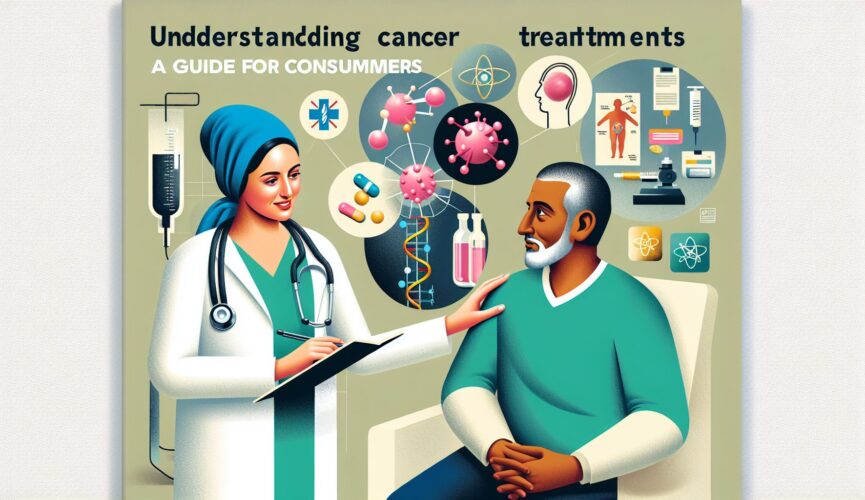
Cancer is a formidable adversary that affects millions of people worldwide each year. It is a disease that can strike anyone, regardless of age, gender, or ethnicity. Fortunately, advancements in medical science have led to a variety of treatment options for those diagnosed with cancer. In this article, we will explore some of the most common cancer treatments available to help you better understand how they work and how they can help individuals in their fight against this deadly disease.
Surgery
Surgery is often one of the first lines of defense against cancer. It involves removing the tumor and surrounding tissue to prevent the spread of cancer cells to other parts of the body. Surgery is most effective when the cancer is localized and has not spread extensively. In some cases, surgery may be combined with other treatments, such as chemotherapy or radiation therapy, to ensure the best possible outcome for the patient.
Chemotherapy
Chemotherapy involves the use of powerful drugs to kill cancer cells or stop them from growing and dividing. These drugs can be administered orally or intravenously and are typically given in cycles to allow the body time to recover between treatments. Chemotherapy can be extremely effective in killing cancer cells, but it can also cause a range of side effects, including nausea, hair loss, and fatigue.
Radiation Therapy
Radiation therapy uses high-energy rays to kill cancer cells or shrink tumors. It can be delivered externally through a machine that directs radiation at the tumor, or internally through radioactive substances that are placed near or directly into the tumor. Like chemotherapy, radiation therapy can have side effects, such as skin irritation and fatigue, but it is a critical tool in the fight against cancer.
Immunotherapy
Immunotherapy is a relatively newer form of cancer treatment that harnesses the power of the body’s immune system to fight cancer. It involves either stimulating the immune system to work harder or smarter to attack cancer cells, or giving the immune system a boost by providing artificial components that can help it recognize cancer cells more effectively. Immunotherapy has shown great promise in treating certain types of cancer, with fewer side effects than traditional treatments.
Targeted Therapy
Targeted therapy is a type of treatment that targets specific genes, proteins, or the tissue environment that contributes to the growth and survival of cancer cells. By targeting these specific factors, targeted therapy can help stop the growth of cancer cells while leaving normal cells unharmed. This type of treatment is often less harmful to the body than traditional chemotherapy and can be more effective in certain cases.
Clinical Trials
Clinical trials are research studies that evaluate the effectiveness of new treatments or procedures for specific diseases. Patients who participate in clinical trials have access to cutting-edge treatments that may not yet be available to the general public. By volunteering for a clinical trial, patients can help researchers better understand how to treat and ultimately cure cancer.
In conclusion, cancer treatments have come a long way in recent years, offering patients more options than ever before. Whether it’s surgery, chemotherapy, radiation therapy, immunotherapy, targeted therapy, or participation in a clinical trial, there are numerous ways to combat this deadly disease. By understanding the different types of treatments available, patients can work with their healthcare providers to develop a personalized treatment plan that gives them the best chance at beating cancer. The key is to stay informed, ask questions, and never lose hope in the fight against cancer.