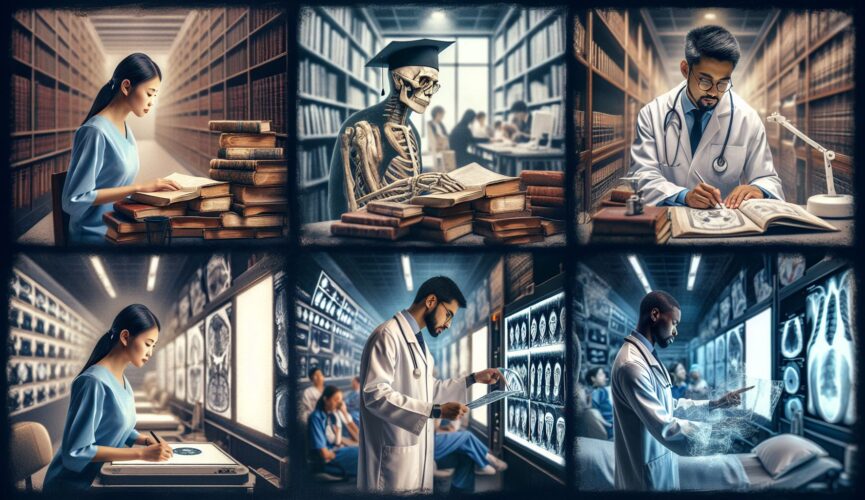
You may have heard or read about radiologists and their vital role in the diagnosis and treatment of various health conditions, especially cancer. These medical professionals have specialized knowledge in interpreting medical images from X-rays, CT scans, MRIs, and ultrasounds. Their expertise aids in understanding diseases, staging cancers, planning treatments and even checking on the effectiveness of the said treatments. To guide you through the journey of becoming a radiologist, this article will shed light on this interesting and crucial specialty.
What is a Radiologist?
Before you embark on this rewarding path, it is essential to understand what a radiologist does. They are medical doctors who interpret diagnostic images to diagnose a wide spectrum of diseases and guide doctors toward the best treatment plans. They use sophisticated imaging technologies like interventional radiology to perform minimally invasive procedures.
Radiologists often play a key role in cancer management. They help identify the presence, type, and stage of cancer. This information is immensely valuable for the oncology team to devise the most effective treatment strategies.
Educational Journey to Becoming a Radiologist
Embarking on your journey to becoming a medical professional, specifically a radiologist, requires multiple layers of education and training.
Pre-Medical Education
The first step is to earn a bachelor’s degree. You are not required to major in a specific field. However, a strong foundation in physical and life sciences is suggested as it will be beneficial later.
Medical School
The next step is applying to, getting accepted into, and completing medical school. This is generally a four-year program, where the first two years typically focus on theoretical learning, covering the basics of the medical and biological sciences. The last two years are usually more clinical, providing experience with patients under the supervision of experienced doctors.
Residency
After graduating from medical school, you will venture into your residency program which focuses on radiology. This is usually a five-year program, with the first year dedicated to a transitional or preliminary medicine internship and the last four years on diagnostic radiology training.
Sub-Specialization
You can opt to further specialize after your residency by taking up a fellowship, focusing on a specific section of radiology such as breast imaging, pediatric radiology, or interventional radiology. This typically takes 1-2 years.
Certification and State Licensing
After finishing your training, you need to take certifications from the American Board of Radiology (ABR) and secure a medical license from your state’s medical board to practice radiology.
Continuous Learning and Career Growth
Beyond initial education, training, and certification, radiologists must be committed to ongoing learning. Medical technology, particularly radiologic technology, is progressing rapidly. As such, keeping up with the latest advancements is essential.
Radiology and Disease Prevention
Radiology is not just about diagnosing diseases—it’s also about prevention. Radiologists often detect issues before they manifest into serious health conditions, including catching early stages of cancers which significantly increases the chances of successful treatment.
Conclusion
Becoming a radiologist is indeed a long journey that comes with intense study, dedication, and a consistent commitment to patient care and continuous learning. However, the impact you can make on people’s lives, the ability to detect diseases early, and contributing to disease prevention makes it a rewarding and fulfilling career. If you are up for the challenge and interested in becoming a vital link in the health care chain, then the journey to becoming a radiologist could be the right path for you.