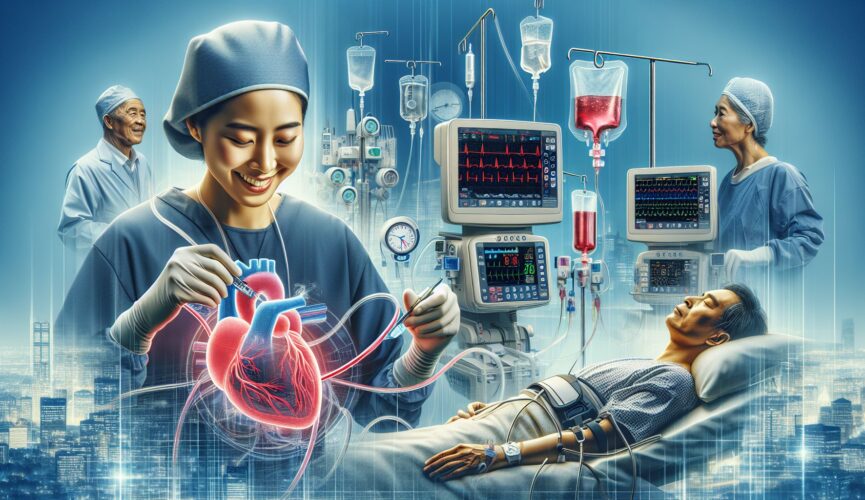
Having a sick family member can be an incredibly difficult and stressful experience. Watching them struggle with their health can leave you feeling helpless and desperate for a solution. However, thanks to advancements in medical technology, there are now innovative treatments and tools available that have the power to save lives and improve the quality of life for those suffering from various illnesses.
One of the most significant benefits of medical technology is its ability to diagnose diseases and conditions quickly and accurately. In the past, diagnosing certain illnesses could take weeks or even months, and in some cases, it could be too late. With the invention of advanced imaging techniques such as MRI, CT scans, and ultrasounds, doctors are now able to identify health issues in a matter of minutes. This early detection allows for faster treatment and can greatly improve the chances of recovery.
Another life-saving medical technology is the development of minimally invasive surgical procedures. In the past, surgeries were often risky and required long recovery times. However, with the introduction of laparoscopic and robotic-assisted surgeries, doctors can now perform complex procedures with smaller incisions and less trauma to the body. This means less pain for the patient, reduced risk of infection, and quicker recovery times. In some cases, minimally invasive surgeries have enabled patients to go home the same day as their procedure.
Medical technologies have also revolutionized the way chronic conditions are managed. For example, patients with diabetes can now use continuous glucose monitors to track their blood sugar levels in real-time and make adjustments to their insulin dosage accordingly. This not only improves their quality of life but also reduces the risk of complications such as diabetic ketoacidosis and nerve damage.
In addition to diagnosing and treating illnesses, medical technologies are also invaluable in monitoring patients’ health and providing timely interventions. For instance, wearable devices such as smartwatches and fitness trackers can track a person’s heart rate, respiratory rate, and activity levels, alerting them and their healthcare provider to any abnormalities. This continuous monitoring can be especially beneficial for individuals with heart conditions, respiratory issues, or other chronic illnesses.
Furthermore, advancements in telemedicine have made it easier for patients to access healthcare services from the comfort of their own homes. Through video calls and online consultations, patients can receive medical advice, prescriptions, and even therapy without having to leave their beds. This technology has been particularly critical during the COVID-19 pandemic when in-person visits to hospitals and clinics were limited.
In conclusion, medical technologies have transformed the way we diagnose, treat, and manage illnesses, saving countless lives in the process. From early disease detection to minimally invasive surgeries to remote monitoring, these innovations have revolutionized healthcare and improved outcomes for patients around the world. If you have a sick family member, rest assured that they are in good hands with the advancements in medical technology at their disposal. Together, we can continue to make strides in the field of medicine and ensure that every patient receives the care they need to live a long and healthy life.