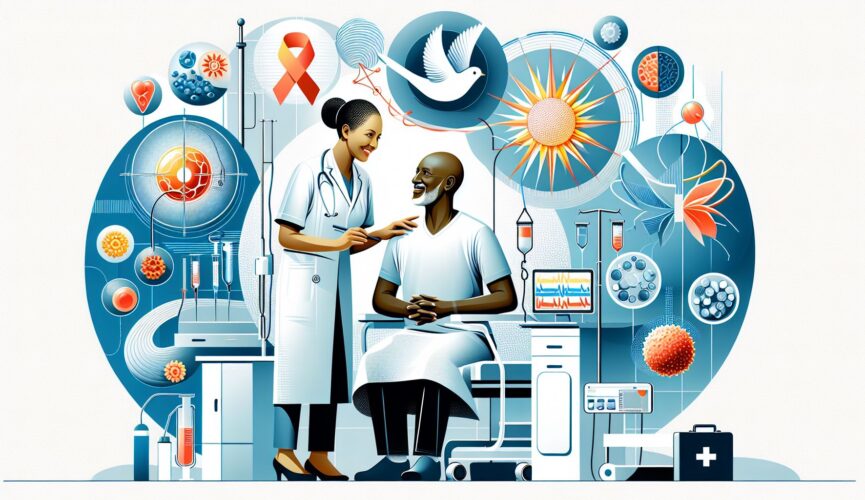
The field of oncology is dynamic and constantly evolving, with new advancements in cancer treatment and recovery approaches emerging regularly. As medical professionals, it’s important for us to keep abreast of this evolving landscape to provide the best possible care to our patients. This guide offers an overview of some strategies and best practices to enhance the cancer care continuum.
Novel Approaches to Cancer Treatment
Cancer care begins with devising a personalized treatment plan, which can be as diverse as the patients we treat, often involving a combination of surgery, radiation therapy, and chemotherapy. However, the face of cancer treatment is changing thanks to breakthroughs in targeted therapies and immunotherapies.
-
Targeted Therapies: These treatments work by specifically targeting the changes in cancer cells that help them grow, divide, and spread. Examples of these include monoclonal antibodies and tyrosine kinase inhibitors. Given the specificity of these treatments, comprehensive genomic profiling of the tumor is increasingly becoming a vital part of formulating a treatment plan.
-
Immunotherapies: These treatments leverage the body’s own immune system to fight cancer by enhancing its ability to detect and destroy cancer cells. Checkpoint inhibitors, CAR-T cell therapy, and cancer vaccines are examples of immunotherapies.
While a lot of these treatments show promising results, they may not be suitable for all patients due to response variability and potential side effects. Therefore, it’s crucial to discuss these issues with patients and their families and incorporate their preferences into the decision-making process.
Enhanced Recovery Approaches
Cancer treatment does not end with the elimination of the tumor. Many patients face physical, emotional, and cognitive challenges during their recovery process. A more holistic approach to recovery can potentially improve patient outcomes and quality of life.
-
Psychosocial Support: A cancer diagnosis can take a heavy toll on mental health. Offering psychosocial support through therapists or support groups can help patients cope and better manage their emotional well-being during the treatment and recovery process.
-
Physical Rehabilitation: Rehabilitation like physiotherapy, occupational therapy and lymphedema care, can help restore physical function and minimize treatment side effects like fatigue and pain.
-
Nutritional Care: The importance of nutrition often gets overlooked in the cancer treatment and recovery process. Registered dietitians can provide individualized nutrition advice to help patients maintain their weight, strength and energy during and after treatment.
-
Integrative Medicine: This involves using complementary therapies, such as acupuncture, yoga, and meditation, in conjunction with conventional cancer treatments to alleviate symptoms, reduce pain, and improve quality of life. However, these techniques should be used judiciously and in consultation with the primary care team to avoid potential interactions or side effects.
Embracing the Future: Telemedicine and Artificial Intelligence
Technological advancements are revolutionizing cancer treatment and recovery processes.
Telemedicine has become particularly relevant during the COVID-19 pandemic. It provides an avenue for healthcare professionals to remotely monitor a patient’s symptoms and response to therapy, offer nutritional advice, provide psychosocial support, and address any other health concerns. While establishing a reliable telemedicine infrastructure may present a challenge, it is undeniably becoming an integral part of patient care.
Artificial intelligence (AI) and machine learning are also finding applications in oncology. They can aid in diagnosing cancer, predicting response to therapy, and individualizing treatment plans. While it should not replace the clinician’s judgment, it’s potential for maximizing efficiency, accuracy, and personalization of care is considerable.
In conclusion, as medical professionals, being well-informed about current advancements in cancer treatment and recovery approaches is vital to ensure our patients receive the best possible care. Patients’ needs are multi-faceted, and their care should be as well. By integrating these novel approaches into our care strategies, we can enhance the cancer treatment and recovery process for our patients beyond just the elimination of the tumor. Let’s always continue to strive for a tomorrow where we can beat cancer not just in body, but in mind and spirit as well.