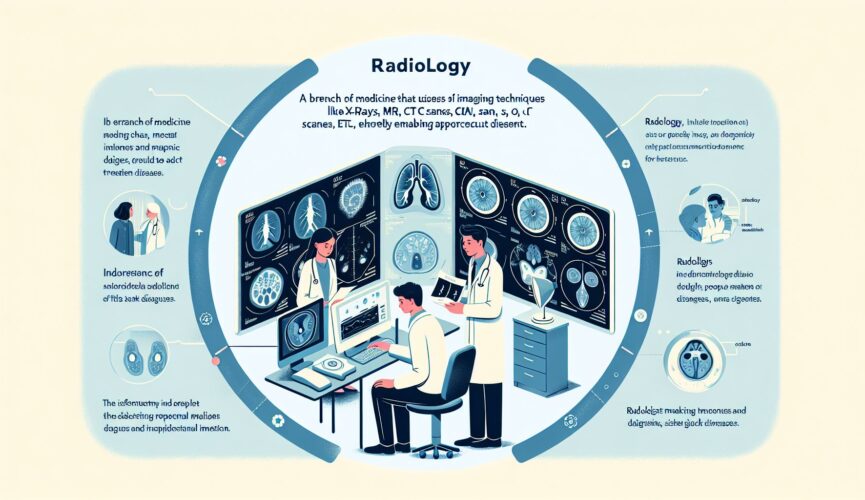
When a loved one falls ill, it can be a stressful and overwhelming time for both the sick individual and their family members. In these cases, medical imaging, specifically radiology, plays a crucial role in the diagnosis and treatment of various medical conditions. Radiology is a branch of medicine that uses imaging techniques such as X-rays, computed tomography (CT) scans, and magnetic resonance imaging (MRI) to visualize the inside of the body. These imaging tests allow healthcare providers to see inside the body and identify any abnormalities or issues that may be present.
For individuals with sick family members, understanding the role of radiology in their loved one’s healthcare journey can provide reassurance and clarity during a difficult time. In this article, we will explore what radiology is, why it is important for people with sick family members, and how these imaging techniques can help in the diagnosis and treatment of various medical conditions.
The Role of Radiology in Healthcare
Radiology plays a vital role in modern healthcare by providing healthcare providers with detailed images of the inside of the body. These images can help in the diagnosis, monitoring, and treatment of a wide range of medical conditions, including fractures, tumors, infections, and other abnormalities. By visualizing the inside of the body, radiology can help healthcare providers make informed decisions about a patient’s care and treatment plan.
There are several types of imaging techniques used in radiology, each offering unique advantages and capabilities. X-rays are commonly used to visualize bones and detect fractures or other bone abnormalities. CT scans provide detailed cross-sectional images of the body, allowing healthcare providers to detect tumors, internal bleeding, and other conditions. MRI scans use powerful magnets and radio waves to create detailed images of soft tissues, organs, and blood vessels, making them useful for diagnosing conditions such as brain tumors, spinal cord injuries, and joint disorders.
The Importance of Radiology for People with Sick Family Members
For people with sick family members, radiology plays a crucial role in the diagnosis and treatment of their loved one’s medical condition. Imaging tests such as X-rays, CT scans, and MRIs can help healthcare providers identify the underlying cause of a patient’s symptoms, determine the extent of a disease or injury, and monitor the effectiveness of treatment. By providing healthcare providers with detailed images of the inside of the body, radiology can help ensure timely and accurate diagnosis, leading to better outcomes for patients.
In cases where a family member is sick, understanding the role of radiology can provide peace of mind and help family members feel more informed and involved in their loved one’s care. By knowing what to expect from imaging tests and how they can help in the diagnosis and treatment process, family members can better support their loved one during this challenging time.
How Radiology Can Help in the Diagnosis and Treatment of Medical Conditions
Imaging tests such as X-rays, CT scans, and MRIs play a crucial role in the diagnosis and treatment of various medical conditions. These tests can help healthcare providers identify conditions such as fractures, tumors, infections, and other abnormalities that may be causing a patient’s symptoms. By visualizing the inside of the body, radiology can provide valuable information that can guide treatment decisions and help ensure the best possible outcome for patients.
In some cases, imaging tests can also help healthcare providers monitor the progression of a disease or the effectiveness of a treatment. For example, CT scans can track the growth of a tumor over time, allowing healthcare providers to adjust treatment plans as needed. By providing healthcare providers with detailed images of the inside of the body, radiology can help ensure that patients receive timely and appropriate care for their medical condition.
Conclusion
In conclusion, radiology is a critical component of modern healthcare that plays a crucial role in the diagnosis and treatment of various medical conditions. For people with sick family members, understanding the role of radiology can provide reassurance and clarity during a challenging time. By visualizing the inside of the body, imaging tests such as X-rays, CT scans, and MRIs can help healthcare providers identify the underlying cause of a patient’s symptoms, determine the extent of a disease or injury, and monitor the effectiveness of treatment.
As family members of sick individuals, being informed about the role of radiology can help us better support our loved ones and actively participate in their care. By recognizing the importance of radiology in the diagnosis and treatment process, we can ensure that our sick family members receive the best possible care and achieve the best possible outcomes.